When people think of Africa’s great wildlife spectacles, the Great Migration, towering elephants, or lions on the hunt, the black rhino doesn’t always get equal billing. Yet, in one of the most remarkable ecosystems on the continent, these animals represent both a triumph of conservation and a rare opportunity for travelers seeking deep meaning in their safari experience: the Ngorongoro Crater in northern Tanzania.
A Natural Wonder Set Apart
The Ngorongoro Crater isn’t just a wildlife area; it’s the world’s largest intact volcanic caldera, carved by geological forces millions of years ago. Its walls form a dramatic amphitheater that shelters one of Africa’s most diverse concentrations of mammals and birds in a relatively compact area, making wildlife encounters extraordinarily reliable. This UNESCO World Heritage site delivers a unique blend of geology, ecology, and culture, and if you’re after the Big Five, including rhino, this is one of the best places in East Africa to look.Introducing the Black Rhino: Resilience in the Wild
The black rhinoceros (Diceros bicornis) is a critically endangered species throughout Africa. Over the 20th century, rampant poaching and habitat loss drove populations to the brink. Estimates suggest that black rhino numbers once exceeded 100,000 individuals on the continent but plummeted drastically before concerted conservation efforts took hold. Within Ngorongoro and broader northern Tanzania, the rhinos you may see today are typically eastern black rhinos, a subspecies listed as critically endangered and of high conservation importance.Life Inside the Crater
Rhinos in Ngorongoro live within the crater’s vast grasslands, woodlands, and riverine habitats, yet their life here is nothing like the stereotype of massive lumbering beasts in open savannah.- Behavior: Black rhinos are generally solitary browsers. Mothers form strong bonds with calves, but adults often range independently.
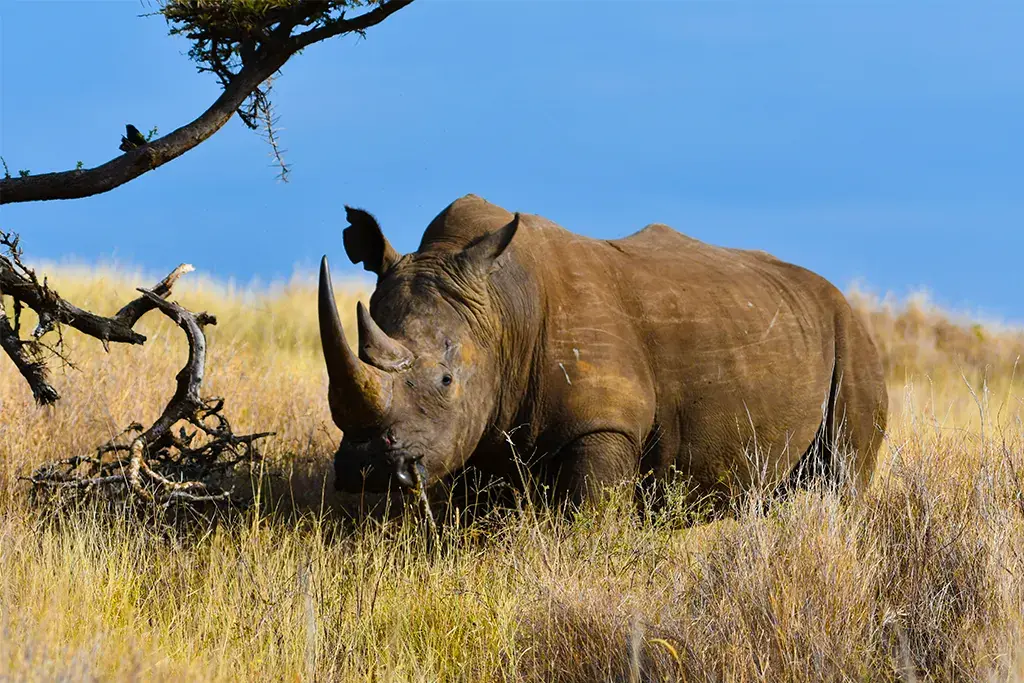
- Territory and Habitat: They favor thicker vegetation patches, for food and cover, so sightings often occur where bushes and acacia trees provide a backdrop rather than the open plains.
- Population Size: Today, the crater supports only a few dozen individuals; any sighting is special because the population remains limited, even with decades of protection efforts.
Conservation: Then, Now, and the Road Ahead
Black rhino conservation in Ngorongoro reads like a case study in dedicated protection:- Past Poaching Decline: In the 1960s and 1970s, Ngorongoro once had around 100 black rhinos. By the late 20th century, relentless poaching had wiped out nearly all of them.
- Protection Efforts: Today, multi-party collaborations involving park authorities and international conservation organizations, with 24/7 patrols and careful tracking, have been essential in stabilizing the population.
- Why It Matters: The Ngorongoro population is a keystone for black rhino survival in East Africa, offering vital genetic and demographic support for the species in the region.
Why Black Rhinos Are a Major Safari Highlight
For travelers from anywhere in the world, seeing a black rhino in the wild is far more than checking a box on a wildlife list. It’s about bearing witness to a species that has fought back from the edge, and experiencing one of the world’s rarest mammals in its authentic habitat.- Rarity: Unlike elephants or lions, black rhinos are few and far between, and they avoid wide-open spaces, preferring hidden cover.
- Drama of Survival: Their very presence in Ngorongoro sends a powerful conservation message: when humans invest thoughtfully in protection, endangered animals can endure.
- Broad Safari Appeal: Rhinos are part of the Big Five allure that draws. travelers to African safaris, and Ngorongoro offers one of the best chances to see them without compromising on safety or experience.
Responsible Tourism Practices to Know Before You Go
A safari here isn’t just about ticking off species, it’s also about doing it the right way.- Respect distance: Rangers enforce viewing distances to protect both you and the wildlife.
- Follow park rules: Off-road driving is limited to reduce disturbance to animals and habitat.
- Lower your footprint: Responsible behavior, quiet observation, no feeding, staying in designated areas, enhances both conservation outcomes and your own enjoyment.
Planning Your Safari with Travel Africa & More
If this all sounds compelling, and it should, a well-planned safari will elevate the experience from good to exceptional. Travel Africa & More is a specialist safari planner that helps travelers turn big Africa dreams into tailored realities. They:- Craft personalized itineraries across Africa’s best parks and reserves, including Tanzania’s Ngorongoro Crater.
- Provide logistics, lodges, guides, and timing expertise so you maximize your wildlife viewing and minimize hassle.
- Offer trip planning resources and support, including wildlife insights and packing guidance, making your journey seamless and stress-free.