When travelers talk about a “classic African safari,” chances are they are picturing the vast plains of the Masai Mara National Reserve. This iconic Kenyan wilderness has earned global recognition for its wildlife density, legendary predator sightings, dramatic migration scenes, and living cultural heritage. It is not just famous, it is benchmark-famous.
From the thunder of hooves during migration season to quiet golden-hour encounters with big cats, the Masai Mara delivers a safari experience that is both reliable and spectacular. Here’s a comprehensive, ground-level look at exactly what makes it so well known worldwide.
Why the Masai Mara Has Global Safari Status
The Masai Mara stands out because it combines multiple safari advantages in one ecosystem:- One of the world’s greatest wildlife migrations
- Exceptional big cat viewing
- High year-round game density
- Wide, open savannah landscapes are ideal for sightings
- Strong Maasai cultural presence
- Premium conservancies offering exclusive experiences
The Great Migration: The Masai Mara’s Most Famous Spectacle
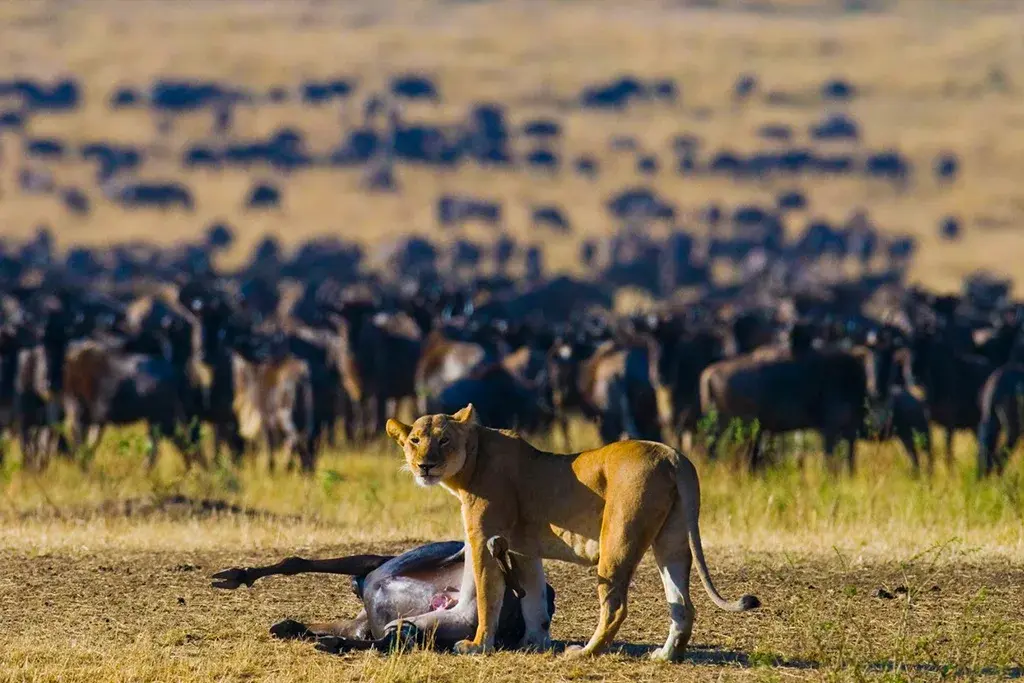
The single biggest reason the Masai Mara is world-famous is its role in the Great Migration, one of the largest land-animal movements on Earth. Each year, massive herds of wildebeest, zebra, and gazelle move between Tanzania’s Serengeti National Park and Kenya’s Masai Mara in search of fresh grazing. When the herds reach the Mara River, the real drama begins: chaotic crossings, strong currents, waiting crocodiles, and predators nearby.What makes it so special:
- Millions of animals move in a seasonal cycle
- High-risk river crossings
- Intense predator-prey encounters
- Unscripted, unpredictable action
Best timing (general pattern):
- Peak migration presence in the Masai Mara: roughly July to October
- Exact timing varies with rainfall; flexibility always wins.
Big Cat Capital of East Africa
If your priority is predators, the Masai Mara sits in the top tier globally. The ecosystem supports a strong concentration of large carnivores, and the open terrain makes them easier to spot than in denser parks.Lions
- Large, established pride territories
- Frequent daytime activity
- Regular hunting sightings
Cheetahs
- Thrive in open plains
- Often seen scanning from termite mounds
- Excellent photography opportunities
Leopards
- Found near riverine forests
- Regular sightings along wooded corridors
Exceptional Year-Round Wildlife Density
The Masai Mara is not only about the migration season. It holds strong resident wildlife populations throughout the year. You can expect consistent sightings of:- Elephants
- Giraffes
- Buffalo
- Multiple antelope species
- Zebra
- Warthogs
- Hippos and crocodiles along rivers
The Landscape That Defines the Classic Safari Image
Part of the Masai Mara’s fame comes from how it looks. The scenery matches the postcard version of Africa:- Rolling golden grasslands
- Scattered acacia trees
- Wide visibility across the plains
- River systems cutting through the reserve
The Greater Mara Ecosystem and Private Conservancies
Beyond the main reserve lies a network of community and private conservancies forming the Greater Mara ecosystem. These areas are a major reason experienced safari planners rate the region so highly.Conservancies are known for:
- Lower vehicle density
- More exclusive safari experiences
- Off-road driving permissions
- Night game drives
- Guided walking safaris
- Fly-camping options
Maasai Cultural Heritage and Community Stewardship
The region is also famous for its deep connection to the Maasai people, one of East Africa’s most recognized pastoral communities. Visitors can experience:- Traditional village visits
- Cultural storytelling
- Local craft markets
- Community-led conservation models
Big Five Safari Reputation
The Masai Mara is a recognized Big Five destination:- Lion: commonly seen
- Leopard: regularly seen with good guides
- Elephant: widespread
- Buffalo: abundant
- Rhino: present but limited to specific zones and conservancies
Signature Experiences the Masai Mara Is Known For
Beyond standard game drives, the Masai Mara is known for premium safari activities:- Hot air balloon safaris over the plains
- Fly-in safaris from Nairobi
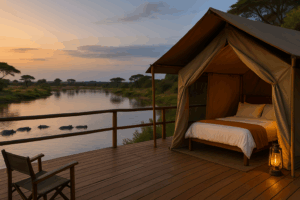
- Luxury tented camps
- Private guided drives
- Specialist photographic safaris
Best Time to Visit: Depends on Your Priority
For migration drama: July-October For predator action: Dry seasons are strongest For fewer crowds & value: Green season months For photography: Shoulder seasons offer softer light and clearer space A disciplined travel plan aligns timing with the objective, sightings, photography, exclusivity, or value.How the Masai Mara Compares to Other Safari Regions
Compared with other major parks, the Masai Mara stands out for:- Higher predator visibility than in many woodland reserves
- More concentrated migration drama than most ecosystems
- Better open-terrain viewing than forest-heavy parks
- Strong luxury + conservancy infrastructure