
Africa doesn’t just compete with the world’s best beach destinations; in several categories, it quietly outperforms them. The continent delivers an unusually wide spectrum of coastal experiences: granite-framed island coves, reef-protected turquoise lagoons, private atolls, cultural Swahili shorelines, marine-wildlife hotspots, and dramatic conservation coasts where whales pass within sight of the sand.
What separates African beach travel from typical tropical holidays is range and pairing power. You can track lions in the morning and swim in warm Indian Ocean water by afternoon. You can choose between high-privacy island retreats, culturally rich historic towns, or wild protected shorelines with almost no footprint.
This guide brings together the strongest beach destinations highlighted by specialist African travel planners and field experts, organized with practical decision value: where to go, why it matters, who it suits, and when it performs best.
How Africa’s Top Beaches Differ by Region
Before picking a beach, understand the coastal personality you’re buying into. Indian Ocean island beaches tend to deliver postcard visuals, white sand, clear warm water, reef systems, and strong luxury lodge presence. These are perfect for honeymoons and high-comfort escapes. East Africa’s Swahili coast blends beach with culture, dhow sailing, historic towns, coral reefs, and easy safari combinations. Mozambique and the southern coasts lean toward adventure-luxury, bigger marine life, powerful diving, and remote island settings. Atlantic and conservation coasts are more dramatic than tropical, best for nature travelers and photographers rather than classic swimming holidays. Get the region right, and everything else becomes easier.The Signature Icon: Seychelles’ Granite-Framed Perfection
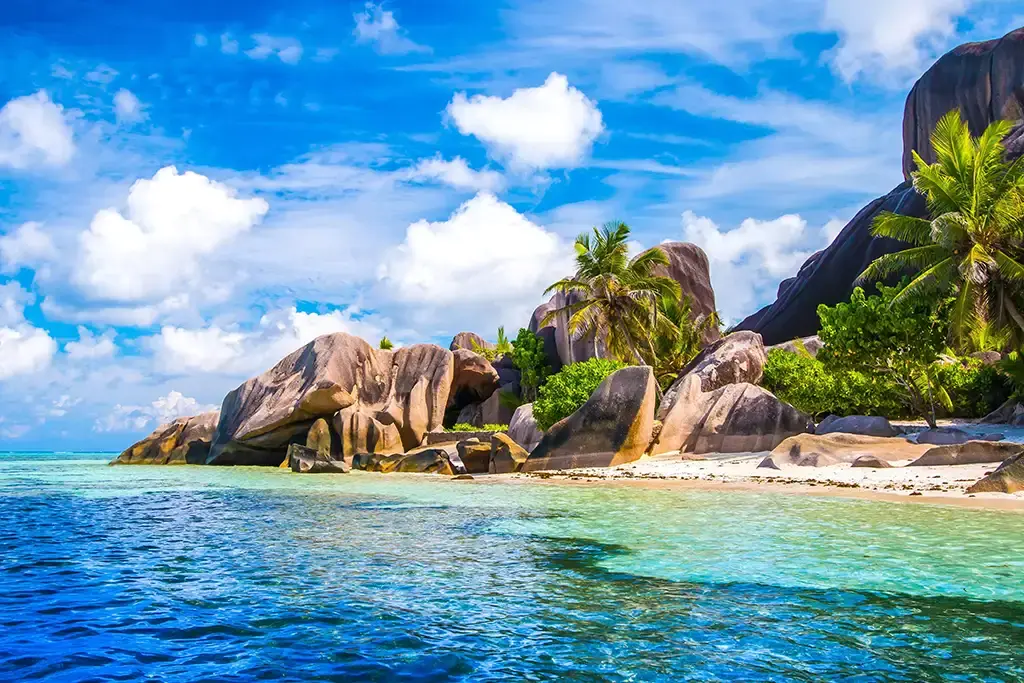
Seychelles sets the global benchmark for visual beach drama, and Anse Source d’Argent is the flagship example. Massive sculpted granite boulders frame shallow turquoise lagoons, creating natural swimming pools and wind-sheltered coves. The water stays calm, the gradients are gentle, and the scenery looks engineered for photography. This is not a high-adrenaline beach; it’s a slow, aesthetic, restorative environment. Ideal for honeymooners, photographers, and travelers who value visual distinction over activity density. Early morning visits reward you with softer light and fewer crowds. Best performance window runs through the drier trade-wind months, though the islands remain viable year-round with weather variation.Private Island Excellence Off Zanzibar
Off the Zanzibar coast sits Mnemba Island, a private island sanctuary built for travelers who value privacy, reef access, and controlled guest numbers. The surrounding coral atoll produces exceptional snorkeling and diving conditions, with clear water and strong marine biodiversity. This is where beach travel turns exclusive rather than social. Guest density is intentionally low, access is controlled, and the experience is designed around quiet immersion. It pairs exceptionally well with Tanzania safaris because logistics are straightforward and flight connections are efficient. Prime months fall in the dry seasons when sea clarity peaks and marine visibility is strongest.Zanzibar’s Most Swimmable Social Beach
Off the Zanzibar coast sits Mnemba Island, a private island sanctuary built for travelers who value privacy, reef access, and controlled guest numbers. The surrounding coral atoll produces exceptional snorkeling and diving conditions, with clear water and strong marine biodiversity. This is where beach travel turns exclusive rather than social. Guest density is intentionally low, access is controlled, and the experience is designed around quiet immersion. It pairs exceptionally well with Tanzania safaris because logistics are straightforward and flight connections are efficient. Prime months fall in the dry seasons when sea clarity peaks and marine visibility is strongest.Zanzibar’s Most Swimmable Social Beach
Diani Beach consistently ranks among Africa’s most reliable beach choices because it performs well across categories: sand quality, swim safety, water sports, resort infrastructure, and access. Reef systems help calm the inshore water, creating swimmable lagoons while still allowing offshore activity. It’s one of the easiest beach extensions after a Kenya safari due to flight connectivity and established hospitality standards. Families, repeat Africa travelers, and activity-focused visitors tend to do well here.Culture + Coast: The Lamu & Shela Experience
Lamu’s shoreline, especially Shela Beach, delivers something rare: cultural depth alongside natural beauty. Historic Swahili architecture, dhow transport, and car-free island life create a slower rhythm that appeals to thoughtful travelers. The beach itself is wide, clean, and comparatively uncrowded. This is less about resort polish and more about atmosphere and authenticity. Strong choice for travelers who prefer place-character over resort uniformity.Marine Wildlife Stronghold
Mafia Island is built for marine enthusiasts. Protected waters, reef systems, and seasonal whale shark encounters give it serious credibility among divers and underwater photographers. Tourism levels remain lower than Zanzibar, which preserves the sense of discovery. Infrastructure is lighter, which is exactly why experienced travelers value it. Expect nature-forward lodges rather than mega-resorts.Mozambique’s Island Powerhouse
The Bazaruto Archipelago delivers scale and spectacle, sweeping sandbanks, dune-backed islands, and warm clear water. Diving here is widely respected, with chances to encounter large marine species and rare dugongs. This is a premium adventure-luxury destination. Lodges are typically high-end and remote. It suits travelers who want beauty plus substance, not just a pretty shoreline but a living marine environment.Urban Variety Done Right
Cape Town offers multiple beach personalities within one city: sheltered luxury coves, social sunset beaches, penguin-populated shores, and beginner surf zones. The scenery is unmatched, mountains meeting ocean, but the Atlantic water runs cold, which surprises unprepared visitors. Best used as part of a broader Cape itinerary rather than a standalone tropical beach trip.Mauritius’ Dependable Lagoon Beaches
Mauritius excels at lagoon beaches with safe swimming and resort convenience. Trou aux Biches is a standout for calm water, family suitability, and reliable snorkeling. It’s structured, accessible, and comfortable, ideal for travelers who want predictability and polish.Africa’s Underrated Atlantic Gem
Bom Bom Island in São Tomé & Príncipe remains under the radar, which is exactly its strength. Expect rainforest-meets-beach scenery, low visitor numbers, and eco-oriented stays. This is for explorers, not resort collectors.Conservation Coastline With Wildlife
De Hoop’s coast proves beaches don’t have to be tropical to be exceptional. Protected shoreline, dune systems, and seasonal whale activity create a nature-rich coastal experience. Strong choice for conservation-minded travelers and landscape photographers.Best Time Windows by Region (Critical Planning Factor)
East Africa coasts and islands perform best in the dry seasons, roughly June to October and again January to March. Heavy rain months reduce visibility and marine activity. Mozambique’s islands and diving zones shine in the dry season, with the best underwater visibility often in spring and summer. Mauritius and Seychelles remain broadly year-round destinations, though wind patterns shift sea conditions. Cape Town beaches are strictly summer performers, November through March.The Strategic Move: Safari + Beach Pairing
One of Africa’s great advantages is itinerary stacking. Strong pairings include:- Tanzania wildlife circuits with Zanzibar or Mnemba
- Kenya safaris with Diani or Lamu
- Southern Africa safaris with Mozambique islands
- Cape region travel with Cape Town beaches






![Some journeys are even more special when shared.
Imagine waking up to the sounds of the African bush, exploring Kenya’s remote conservancies together, enjoying private picnics and spending nights beneath endless African skies.
From The Emakoko and Lewa House to Ol Malo Lodge and Sarara Treehouses, this romantic Kenya safari brings together four extraordinary stays, each offering a different side of the wilderness.
2027 Long Stay Savings: Enjoy 10% OFF on stays of 5+ nights. Select dates apply.
Whether you're planning a honeymoon, anniversary or simply an unforgettable escape for two, we'll help you create a safari that feels entirely your own.
📩 DM us to start planning your romantic Kenya safari.
[Kenya Honeymoon Safari, Luxury Kenya Safari, Romantic Safari, Kenya Safari for Couples, Lewa Conservancy, Laikipia, Sarara Treehouses, Bespoke African Safari]](https://travelafricamore.com/core/modules/313e568472/img/placeholder.png)