Travel Africa & More
  • Home
  • About Us
    • Our Story
    • What We Offer
  • Africa
    • African Safari – The “why”
    • Top 5s – Our FAVs
    • Parks / Reserves / Concessions / Conservancies – What’s the difference?
    • Safari Destinations
      • Botswana
      • Kenya
      • Namibia
      • South Africa
      • Tanzania
      • Zambia
      • Zimbabwe
      • Rwanda
      • Uganda
  • Trip Reports
  • Trip Planning 101
  • Blogs
  • Inquire Now

Home » Wildlife & Safaris » What Not to Wear on Safari: Common Clothing Mistakes

What Not to Wear on Safari: Common Clothing Mistakes

What Not to Wear on Safari: Common Clothing Mistakes

Africa doesn’t just compete with the world’s best beach destinations; in several categories, it quietly outperforms them. The continent delivers an unusually wide spectrum of coastal experiences: granite-framed island coves, reef-protected turquoise lagoons, private atolls, cultural Swahili shorelines, marine-wildlife hotspots, and dramatic conservation coasts where whales pass within sight of the sand.

What separates African beach travel from typical tropical holidays is range and pairing power. You can track lions in the morning and swim in warm Indian Ocean water by afternoon. You can choose between high-privacy island retreats, culturally rich historic towns, or wild protected shorelines with almost no footprint.

This guide brings together the strongest beach destinations highlighted by specialist African travel planners and field experts, organized with practical decision value: where to go, why it matters, who it suits, and when it performs best.

How Africa’s Top Beaches Differ by Region

Before picking a beach, understand the coastal personality you’re buying into.

Indian Ocean island beaches tend to deliver postcard visuals, white sand, clear warm water, reef systems, and strong luxury lodge presence. These are perfect for honeymoons and high-comfort escapes.

East Africa’s Swahili coast blends beach with culture, dhow sailing, historic towns, coral reefs, and easy safari combinations.

Mozambique and the southern coasts lean toward adventure-luxury, bigger marine life, powerful diving, and remote island settings.

Atlantic and conservation coasts are more dramatic than tropical, best for nature travelers and photographers rather than classic swimming holidays.

Get the region right, and everything else becomes easier.

The Signature Icon: Seychelles’ Granite-Framed Perfection

Seychelles sets the global benchmark for visual beach drama, and Anse Source d’Argent is the flagship example. Massive sculpted granite boulders frame shallow turquoise lagoons, creating natural swimming pools and wind-sheltered coves. The water stays calm, the gradients are gentle, and the scenery looks engineered for photography.

This is not a high-adrenaline beach; it’s a slow, aesthetic, restorative environment. Ideal for honeymooners, photographers, and travelers who value visual distinction over activity density. Early morning visits reward you with softer light and fewer crowds.

Best performance window runs through the drier trade-wind months, though the islands remain viable year-round with weather variation.

Private Island Excellence Off Zanzibar

Off the Zanzibar coast sits Mnemba Island, a private island sanctuary built for travelers who value privacy, reef access, and controlled guest numbers. The surrounding coral atoll produces exceptional snorkeling and diving conditions, with clear water and strong marine biodiversity.

This is where beach travel turns exclusive rather than social. Guest density is intentionally low, access is controlled, and the experience is designed around quiet immersion. It pairs exceptionally well with Tanzania safaris because logistics are straightforward and flight connections are efficient.

Prime months fall in the dry seasons when sea clarity peaks and marine visibility is strongest.

Zanzibar’s Most Swimmable Social Beach

Off the Zanzibar coast sits Mnemba Island, a private island sanctuary built for travelers who value privacy, reef access, and controlled guest numbers. The surrounding coral atoll produces exceptional snorkeling and diving conditions, with clear water and strong marine biodiversity.

This is where beach travel turns exclusive rather than social. Guest density is intentionally low, access is controlled, and the experience is designed around quiet immersion. It pairs exceptionally well with Tanzania safaris because logistics are straightforward and flight connections are efficient.

Prime months fall in the dry seasons when sea clarity peaks and marine visibility is strongest.

Zanzibar’s Most Swimmable Social Beach

Diani Beach consistently ranks among Africa’s most reliable beach choices because it performs well across categories: sand quality, swim safety, water sports, resort infrastructure, and access.

Reef systems help calm the inshore water, creating swimmable lagoons while still allowing offshore activity. It’s one of the easiest beach extensions after a Kenya safari due to flight connectivity and established hospitality standards.

Families, repeat Africa travelers, and activity-focused visitors tend to do well here.

Culture + Coast: The Lamu & Shela Experience

Lamu’s shoreline, especially Shela Beach, delivers something rare: cultural depth alongside natural beauty. Historic Swahili architecture, dhow transport, and car-free island life create a slower rhythm that appeals to thoughtful travelers.

The beach itself is wide, clean, and comparatively uncrowded. This is less about resort polish and more about atmosphere and authenticity. Strong choice for travelers who prefer place-character over resort uniformity.

Marine Wildlife Stronghold

Mafia Island is built for marine enthusiasts. Protected waters, reef systems, and seasonal whale shark encounters give it serious credibility among divers and underwater photographers. Tourism levels remain lower than Zanzibar, which preserves the sense of discovery.

Infrastructure is lighter, which is exactly why experienced travelers value it. Expect nature-forward lodges rather than mega-resorts.

Mozambique’s Island Powerhouse

The Bazaruto Archipelago delivers scale and spectacle, sweeping sandbanks, dune-backed islands, and warm clear water. Diving here is widely respected, with chances to encounter large marine species and rare dugongs.

This is a premium adventure-luxury destination. Lodges are typically high-end and remote. It suits travelers who want beauty plus substance, not just a pretty shoreline but a living marine environment.

Urban Variety Done Right

Cape Town offers multiple beach personalities within one city: sheltered luxury coves, social sunset beaches, penguin-populated shores, and beginner surf zones. The scenery is unmatched, mountains meeting ocean, but the Atlantic water runs cold, which surprises unprepared visitors.

Best used as part of a broader Cape itinerary rather than a standalone tropical beach trip.

Mauritius’ Dependable Lagoon Beaches

Mauritius excels at lagoon beaches with safe swimming and resort convenience. Trou aux Biches is a standout for calm water, family suitability, and reliable snorkeling. It’s structured, accessible, and comfortable, ideal for travelers who want predictability and polish.

Africa’s Underrated Atlantic Gem

Bom Bom Island in São Tomé & Príncipe remains under the radar, which is exactly its strength. Expect rainforest-meets-beach scenery, low visitor numbers, and eco-oriented stays. This is for explorers, not resort collectors.

Conservation Coastline With Wildlife

De Hoop’s coast proves beaches don’t have to be tropical to be exceptional. Protected shoreline, dune systems, and seasonal whale activity create a nature-rich coastal experience. Strong choice for conservation-minded travelers and landscape photographers.

Best Time Windows by Region (Critical Planning Factor)

East Africa coasts and islands perform best in the dry seasons, roughly June to October and again January to March. Heavy rain months reduce visibility and marine activity.

Mozambique’s islands and diving zones shine in the dry season, with the best underwater visibility often in spring and summer.

Mauritius and Seychelles remain broadly year-round destinations, though wind patterns shift sea conditions.

Cape Town beaches are strictly summer performers, November through March.

The Strategic Move: Safari + Beach Pairing

One of Africa’s great advantages is itinerary stacking. Strong pairings include:

  • Tanzania wildlife circuits with Zanzibar or Mnemba
  • Kenya safaris with Diani or Lamu
  • Southern Africa safaris with Mozambique islands
  • Cape region travel with Cape Town beaches

The sweet spot split is usually about two-thirds safari, one-third beach, enough time to decompress without losing momentum.

Responsible Beach Travel Matters Here

Many of Africa’s best beaches sit inside marine parks or conservation zones. Smart travelers follow reef etiquette, respect turtle nesting areas, choose locally grounded lodges, and follow protected-area rules. Done right, your visit supports preservation rather than pressure.

Table of Content

  • Introduction
  • Why Your Safari Clothing Choices Matter
  • Bright Colors That Disturb Wildlife
  • Why Blue and Black Clothing Attract Insects
  • Why White Clothing Is a Poor Choice
  • Why Camouflage Clothing Can Cause Problems
  • Heavy Fabrics That Make Safari Uncomfortable
  • Why Strong Fragrances Should Be Avoided
  • What Safari Experts Recommend Wearing
  • Practical Safari Clothing Tips
  • Quick Safari Packing Checklist
  • Final Thoughts
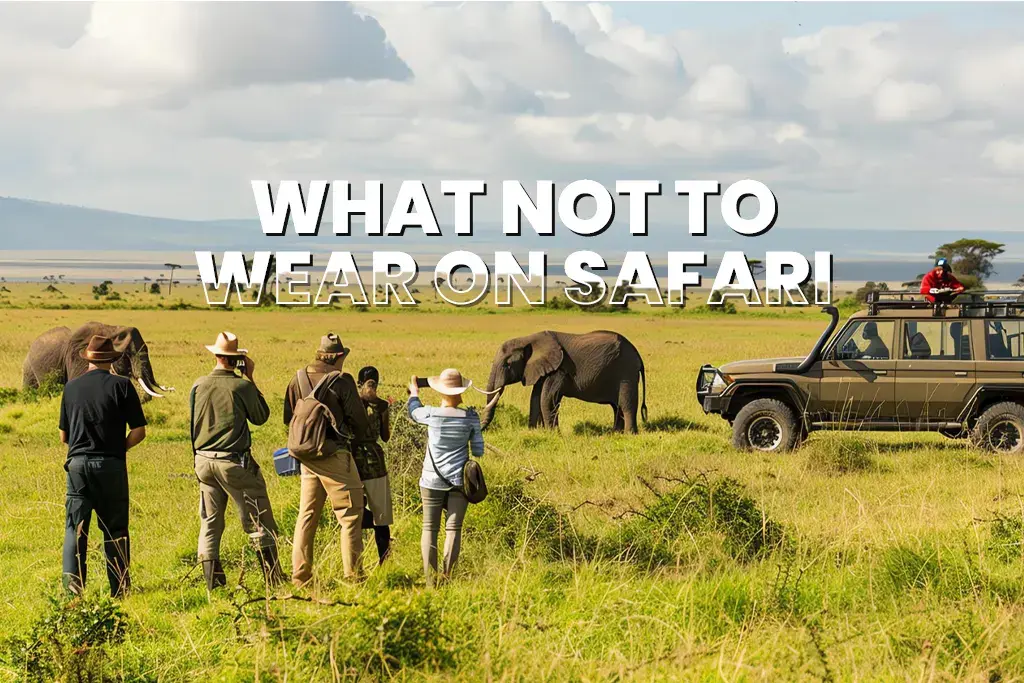
Planning an African safari is one of the most exciting travel experiences in the world. People often focus on choosing the right lodge, booking game drives, and preparing cameras for wildlife photography. What many travelers underestimate, however, is the importance of what they wear during safari activities. Clothing on safari is not simply about style or comfort. The wrong outfit can attract insects, make you visible to wildlife, or leave you uncomfortable during long hours in the bush. Safari environments involve dust, intense sunlight, early morning temperatures, and close encounters with wildlife. Because of this, outfit choices play a bigger role than most first-time visitors expect. Understanding what not to wear on safari helps travelers stay comfortable, blend into the natural surroundings, and fully enjoy the experience.

Why Your Safari Clothing Choices Matter

Safari conditions differ from those of typical vacation settings. Game drives often begin early in the morning when temperatures are cooler and continue through warm afternoons. Travelers may spend several hours in open vehicles while observing animals in their natural habitat. In these situations, clothing serves several purposes:
  • Reducing visibility to wildlife
  • Avoiding insect attraction
  • Managing heat and sun exposure
  • Staying comfortable during long drives
  • Handling dust and outdoor conditions
Wearing the wrong clothing can make a safari less enjoyable. Bright colors may disturb animals. Certain shades attract biting insects. Heavy fabrics become uncomfortable in the strong sun. This is why safari guides consistently recommend practical clothing choices that match the environment.

Bright Colors That Disturb Wildlife

Bright colors may look appealing in travel photos, but they are not ideal for safari environments. Colors such as red, orange, bright yellow, or neon shades stand out strongly against the natural tones of the African landscape. When wildlife notices these colors, it can change their behavior or make them move away from the area. During game drives, the goal is to observe animals without drawing attention. Bright clothing can disrupt that experience for both you and other travelers in the vehicle. Instead of bright tones, most safari operators recommend wearing neutral earth colors that blend naturally into the surroundings. Examples of colors to avoid include:
  • Neon athletic shirts
  • Bright red or orange clothing
  • Colorful patterned outfits
  • High-visibility sportswear
Neutral colors help maintain a quieter presence during wildlife viewing.

Why Blue and Black Clothing Attract Insects

One of the most widely shared safari tips concerns dark blue and black clothing. These colors attract tsetse flies, an insect found in many safari regions. Tsetse flies are drawn to dark shades, particularly blue and black. In fact, insect traps used in some African regions intentionally use blue fabric to attract these flies. Wearing dark blue or black clothing increases the chances of attracting these insects during game drives or bush walks. Another challenge with dark clothing is heat absorption. Black fabric absorbs more sunlight, which can make travelers feel significantly hotter during midday safari activities. Because of these reasons, many safari guides recommend avoiding dark blue and black clothing whenever possible.

Why White Clothing Is a Poor Choice

White clothing might seem like a logical choice in warm climates, but it is not ideal for safari conditions. Safari environments are often dusty, especially during dry seasons. Dirt and dust quickly become visible on white fabrics. After a single game drive, white clothing may appear noticeably dusty. White clothing also stands out strongly against the natural landscape, making travelers more visible to wildlife. For these reasons, white outfits often become impractical during multi-day safari trips. Neutral shades such as beige or tan are usually better options because they hide dust more effectively.

Why Camouflage Clothing Can Cause Problems

Some travelers assume camouflage clothing is perfect for safari because it resembles military gear designed for outdoor environments. However, wearing camouflage patterns can create problems in several African countries. In certain destinations, camouflage clothing is restricted because it is associated with military uniforms. Visitors wearing camouflage clothing may attract unnecessary attention or be asked to change outfits in public places. To avoid any complications, travelers are generally advised to leave camouflage clothing at home and choose neutral outdoor clothing instead.

Heavy Fabrics That Make Safari Uncomfortable

Safari activities involve long hours outdoors, often under strong sunlight. Heavy fabrics such as denim or thick cotton can quickly become uncomfortable in these conditions. Heavy materials tend to:
  • Trap heat
  • Dry slowly after washing
  • Feel restricted during long drives
  • Collects dust easily
Lightweight fabrics are usually the better choice for safari clothing. Breathable materials allow air circulation and help travelers stay comfortable during warm afternoons. Clothing designed for outdoor travel or hiking often works well because it balances durability with comfort.

Why Strong Fragrances Should Be Avoided

While not directly related to clothing, fragrances can also influence the safari experience. Strong perfumes, scented lotions, or heavily fragranced sprays may attract insects in certain environments. In addition, strong scents can travel in open safari vehicles and may distract from the natural outdoor atmosphere. Many safari guides recommend using minimal fragrance products when heading out on game drives. A simple approach helps maintain comfort and reduces the chance of attracting insects.

What Safari Experts Recommend Wearing

Instead of focusing only on what to avoid, it is helpful to understand what works best for safari conditions. Most safari operators recommend clothing in natural tones that blend into the surrounding environment. Commonly recommended colors include:
  • Khaki
  • Olive green
  • Beige
  • Tan
  • Light brown
These colors blend with grasslands and bush landscapes, helping travelers remain less noticeable during wildlife viewing. In addition to color, practical safari clothing usually includes:
  • Lightweight long-sleeve shirts
  • Comfortable long pants
  • Breathable fabrics
  • Layered clothing for temperature changes
Morning game drives can be cool, while afternoons may become warm. Layering clothing helps travelers adjust easily throughout the day.

Practical Safari Clothing Tips

Packing wisely for safari can make the entire trip more comfortable. A few simple clothing strategies can help travelers prepare effectively. Choose neutral colors Clothing in natural tones works best in safari environments. Pack breathable fabrics Lightweight fabrics help manage heat and improve comfort during long drives. Bring layers Early mornings and evenings may be cooler than midday temperatures. Wear long sleeves and pants when possible These provide additional protection from insects and sun exposure. Prioritize comfort over style Safari clothing does not need to be fashionable. The goal is practicality. These small decisions can significantly improve the safari experience.

Quick Safari Packing Checklist

For travelers preparing for their first safari, the following clothing checklist provides a useful starting point:
  • Neutral colored shirts
  • Lightweight long pants
  • Comfortable walking shoes
  • A light jacket for early mornings
  • A wide-brim hat for sun protection
  • Sunglasses
  • Lightweight scarf or buff for dust protection
This simple approach helps travelers stay comfortable while focusing on the true highlight of safari travel, observing wildlife in its natural habitat.

Final Thoughts

An African safari is a unique travel experience that brings visitors close to nature in ways few other trips can offer. Preparing properly makes a meaningful difference in how enjoyable the journey becomes. Clothing may seem like a small detail when planning a safari, but the right outfit helps travelers stay comfortable, avoid insects, and blend naturally into the environment. Choosing practical clothing ensures that attention remains where it belongs, on the landscapes, the wildlife, and the unforgettable moments that make safari travel so remarkable. By avoiding common clothing mistakes and packing thoughtfully, travelers can make the most of every game drive and every wildlife encounter.
facebookShare on Facebook
TwitterPost on X
FollowFollow us
PinterestSave

You May Also Like

The Role of Travel Agents in Planning African Safaris: Necessity or Preference?

The Role of Travel Agents in Planning African Safaris: Necessity or Preference?

Map of Africa showcasing its diversity to debunk Myths About Traveling in Africa

Myths About Traveling in Africa: Debunked

Zimbabwe vs. Zambia – Which Side Has the Best Views 1 | Travel Africa & More

Zimbabwe vs. Zambia – Which Side Has the Best Views?

Follow Us on Instagram

Planning an African safari isn’t just about choosi Planning an African safari isn’t just about choosing a lodge or park. Timing, camp location, wildlife movement, guiding quality, and logistics all shape the experience.

Tap through the reels to explore the details that make the difference between a standard trip and a thoughtfully designed Africa safari.
.
.
.
#trend #trendingnow #africasafari #luxurysafari #travelafricaandmore
East Africa 🌍 never reveals itself in just one way East Africa 🌍 never reveals itself in just one way.

On our recent trip through the region, the days kept unfolding with surprise after surprise, the intense gaze of a Verreaux’s eagle-owl 🦉, the elegance of a grey crowned crane moving through the grasslands, the electric colors of a lilac-breasted roller 🐦, and the quick, curious movements of dwarf and white-tailed mongooses darting through the bush.

This is the magic of safari. Not just one headline sighting, but a constant stream of encounters that remind you how alive the landscape really is.

And sometimes, it feels like the wild decides to show you a little bit of everything. DM us now to plan this kind of safari for yourself.
.
.
.
#safarímoments #eastafricasafari #africasafari #raresighting #travelafricaandmore
Safari planning doesn’t happen from a desk. Recen Safari planning doesn’t happen from a desk.

Recently, our founders were back in East Africa 🌍 during the green season, walking the landscape in gum boots, spending time with guides, exploring camps, and revisiting the small details that shape a great safari experience.

From termite mounds and bush walks to rain-soaked game drives, these trips are about staying connected to the places we design journeys around.

Because the best itineraries come from firsthand experience, not brochures. Connect with us to plan an unforgettable Africa safari. DM us now!
.
.
.
#safarímoments #eastafricasafari #africasafari #greatmigrationsafari #travelafricaandmore
This isn’t play. 🐘 Elephants coat themselves in m This isn’t play. 🐘

Elephants coat themselves in mud to regulate body temperature, protect against insects, and shield their skin from the sun. In the green season, with water and soft earth available, this behavior becomes frequent and prolonged.

Moments like this are not random luck. They’re the result of being in the right ecosystem, in the right season, when wildlife behavior shifts. Understanding timing changes what you see. 👀

If you’re planning Africa, this is the level of detail that matters. DM us now.
.
.
.
#adventuretravel #africasafari #mudbath #elephantmudbath #travelafricaandmore
Travel Africa & More Logo
About Us
What We Offer
Africa
Trip Reports
Trip Planning 101
Blogs
Contact Us

Facebook


Instagram


YouTube


Pinterest


Twitter


TikTok

Copyright © 2026 Travel Africa & More. All Rights Reserved.

James Frame & Alice

Donec pulvinar nisi pellentesque, tristique massa eu, molestie nunc. Donec facilisis, arcu ac pretium luctus, leo massa fringilla mi, non pellentesque ante ante vel orci. Nunc non condimentum dolor.