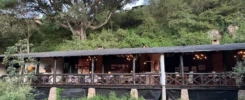
A classic tented camp on 65,000 acres of wilderness north of Mt. Kenya, part of the Mount Kenya UNESCO World Heritage Site extension inscribed in 2013. It is the only property on the conservancy owned directly by Lewa itself, where every conservation fee and operating profit goes directly back into the land.
Newly reopened: Lewa Safari Camp reopened on June 1, 2026, following a complete refurbishment that introduced a redesigned Dining Tree deck, grander safari tents, expanded shaded verandas, a separate bar and lounge, and an upgraded spa, while retaining the warm, authentic character the camp is known for.
Classic tented camp, stone and canvas under thatch
Best For
Rhino, Grevy’s zebra, conservation, families
Accommodation
11 safari tents · 2 family suites
Season
Year-round
Reopened
June 1, 2026, following a complete refurbishment
Our Take
Why We Recommend Lewa Safari Camp
Our Take
Why We Recommend Lewa Safari Camp
Lewa is one of Kenya’s founding conservancy stories, and arriving here, you feel that history in the landscape. Wide-open savannah, the Laikipia Plateau, swamplands and Mt. Kenya rising snow-capped to the south on a clear morning. Of the five permanent properties on the conservancy, Lewa Safari Camp is the only one owned by Lewa itself. All profits are reinvested directly into conservation and community development. Staying here puts your tourism spend to work in a way that is genuinely rare.
Reopened June 1, 2026, after a complete refurbishment, including new-look tents, deck, bar, lounge and spa
Only camp on Lewa owned by the conservancy, with all profits reinvested
Part of the 65,000-acre Mount Kenya UNESCO World Heritage extension (inscribed 2013; conservancy founded 1995)
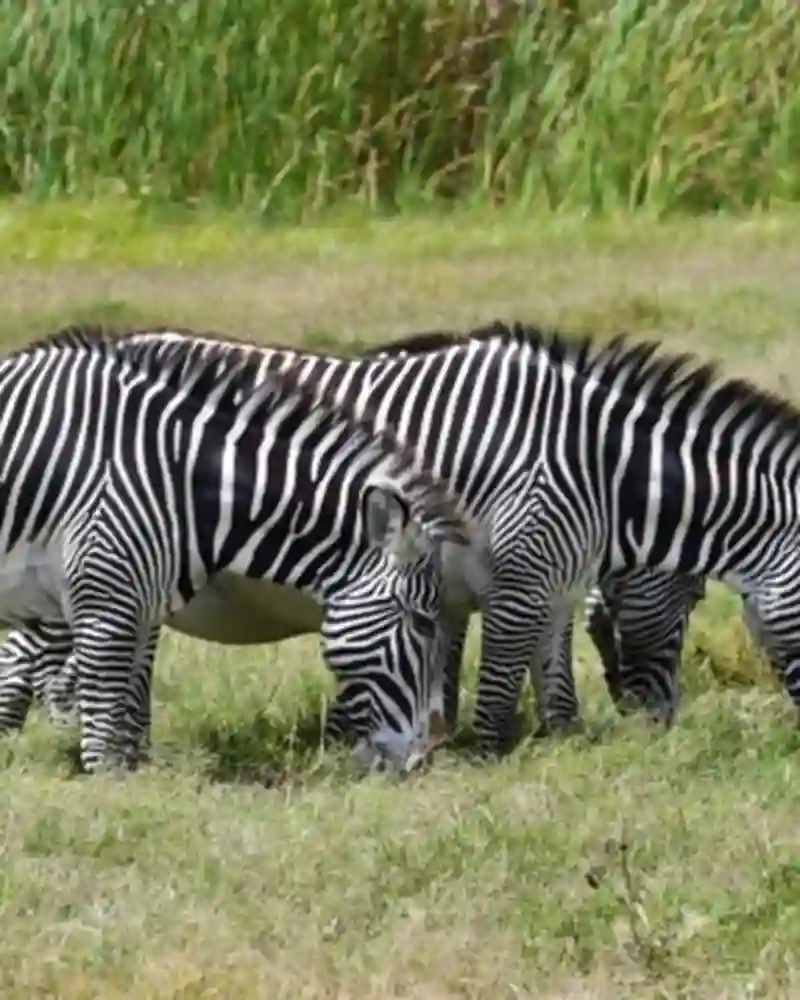
World's largest concentration of Grevy's zebra
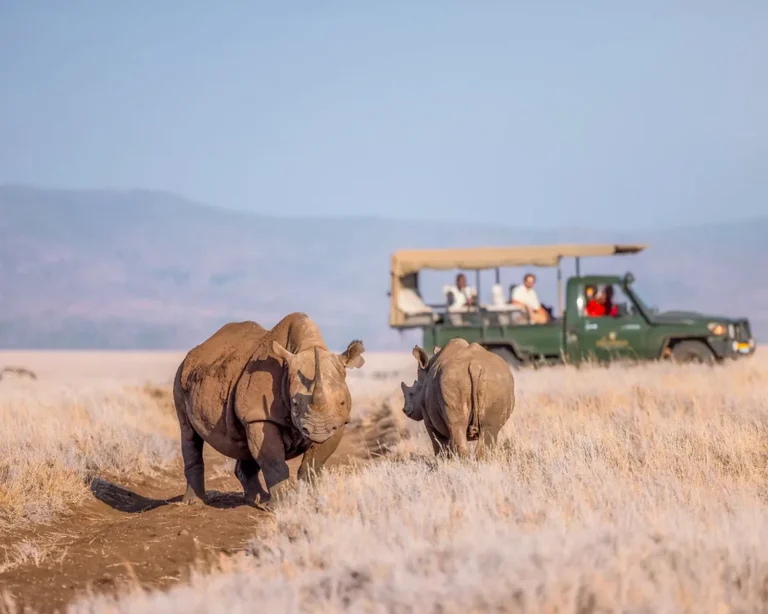
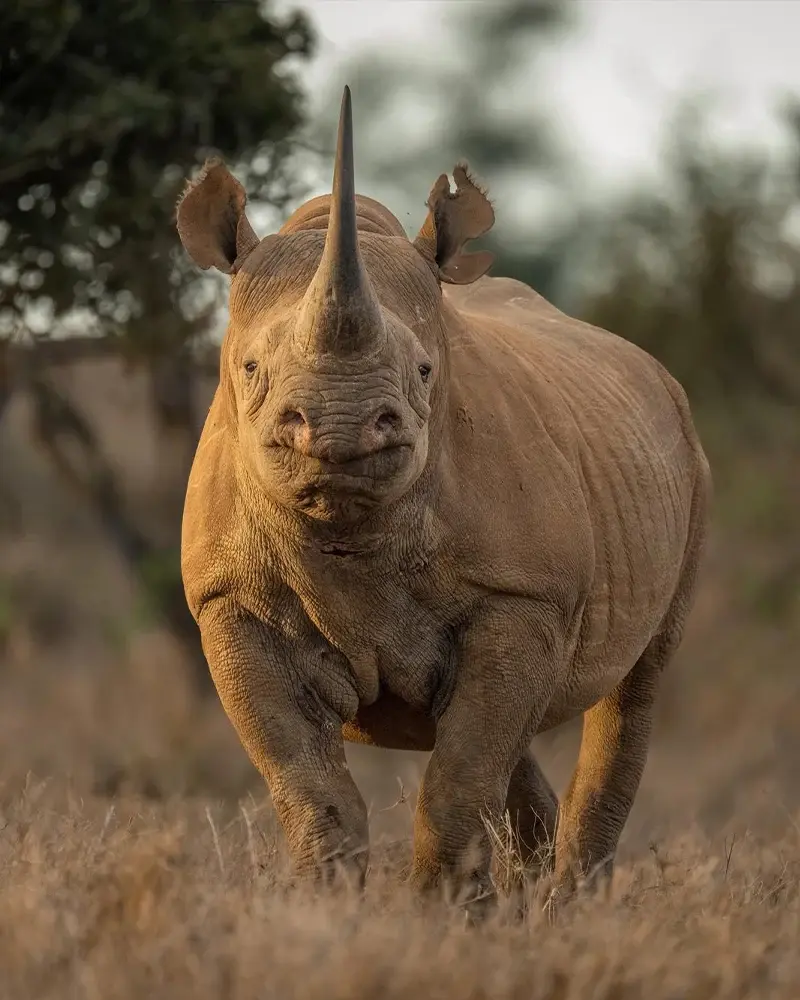
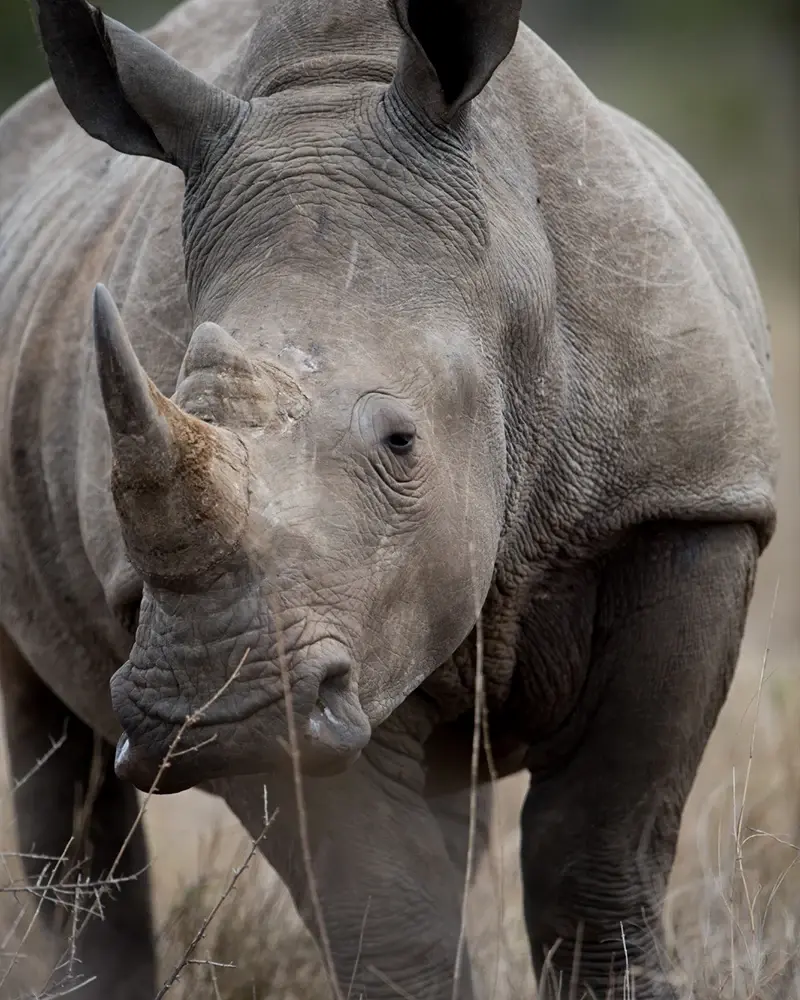
Over 200 black and white rhino on the conservancy
Western edge position, quieter and more secluded than other properties
Gold-level Eco-rating Certificate, Ecotourism Kenya
What's New: The June 2026 Refurbishment
Lewa Safari Camp reopened on June 1, 2026, after a complete restoration led by designer Jan Allan of byDESIGN. The aim was to keep the camp’s original character while upgrading both the guest accommodation and the public spaces. If you’ve read older reviews or stayed here in the past, the camp you’ll find today is substantially different.
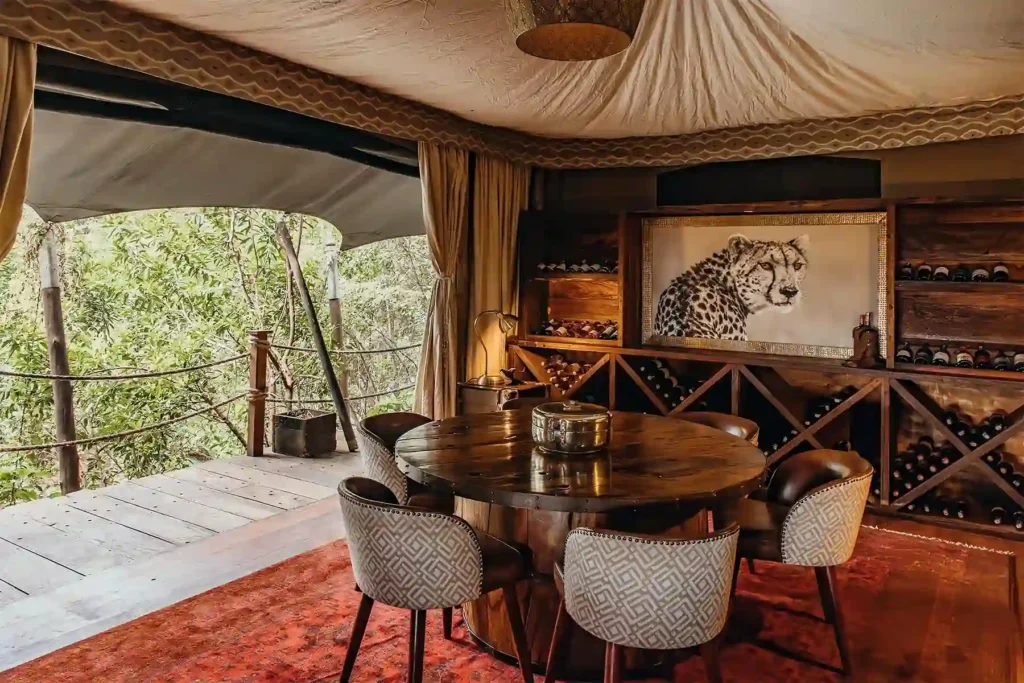
Redesigned Dining Tree deck
The camp’s central gathering space has been reworked.
Grander safari tents
Larger guest tents with expanded shaded verandas.
A separate bar and lounge
A well-stocked bar and comfortable lounge area.
Upgraded spa
Upgraded spa
A dedicated wellness treatment area.
Refreshed retail offering
An updated camp shop.
The refurbishment was carried out within Lewa’s strict bed-night quotas, so it adds no extra tourism pressure on the conservancy.
Camp Experience
A First Night That Doesn't Feel Like a Layover
The Camp
Stone, Canvas, Thatch and a Log Fire
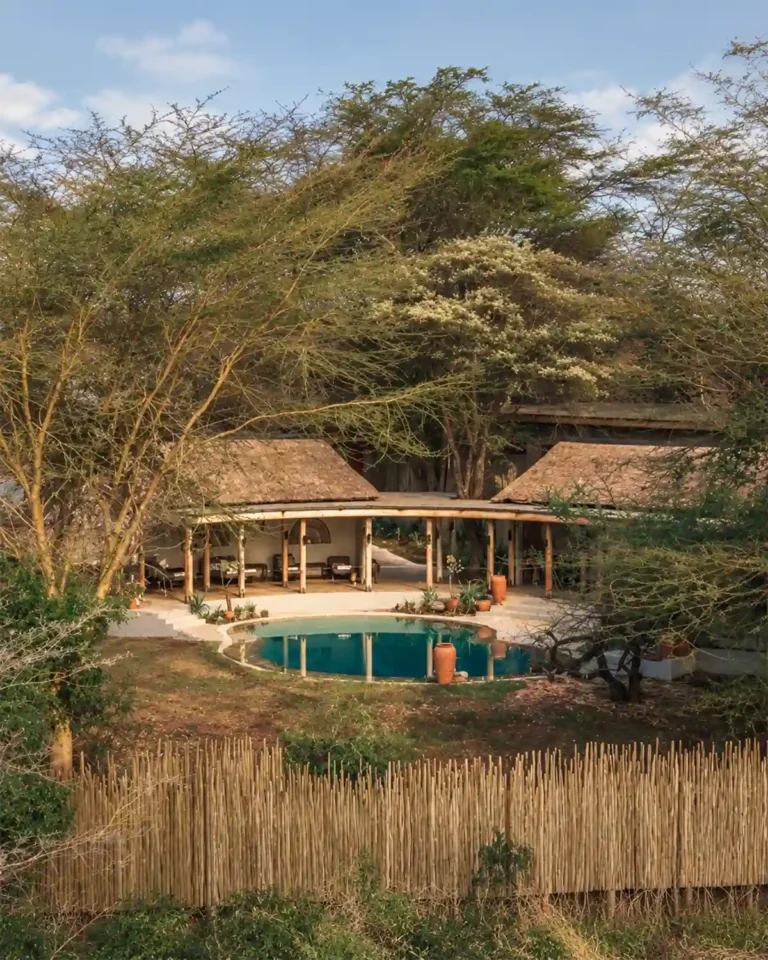
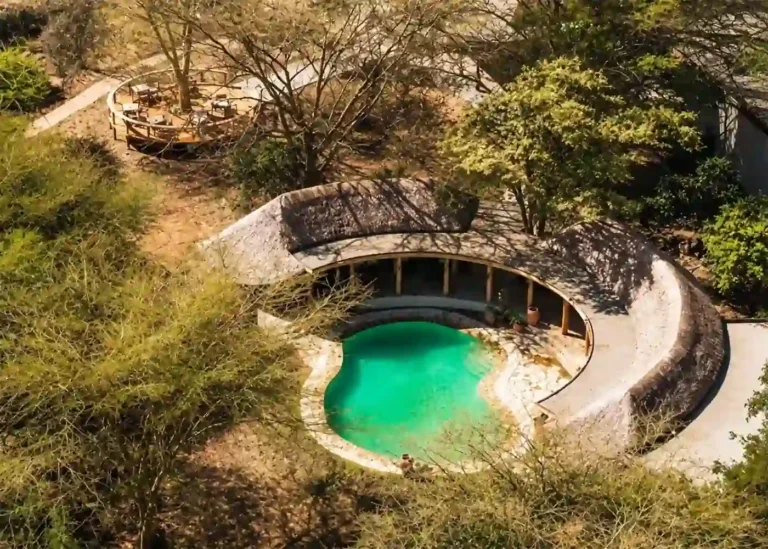
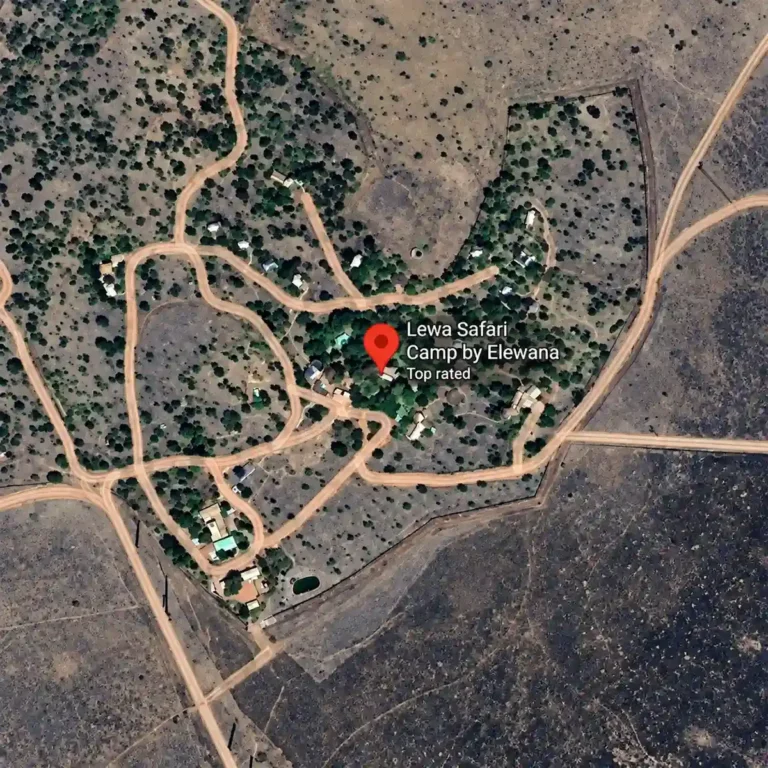
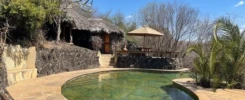
Following the June 2026 refurbishment, the camp is centred on a redesigned Dining Tree deck, with a separate bar and lounge area and an upgraded spa. Eleven ensuite tents and two family suites are spaced along either side of the main lodge, each built from stone and canvas under thatch. The main area has a sitting room with a log fire, a giraffe-shaped pool in the green camp gardens, bar service and shaded lounges. Warm, sociable and friendly, this is a camp as well known for its atmosphere as for the land around it.
The Setting
The Laikipia Plateau, North of Mt. Kenya
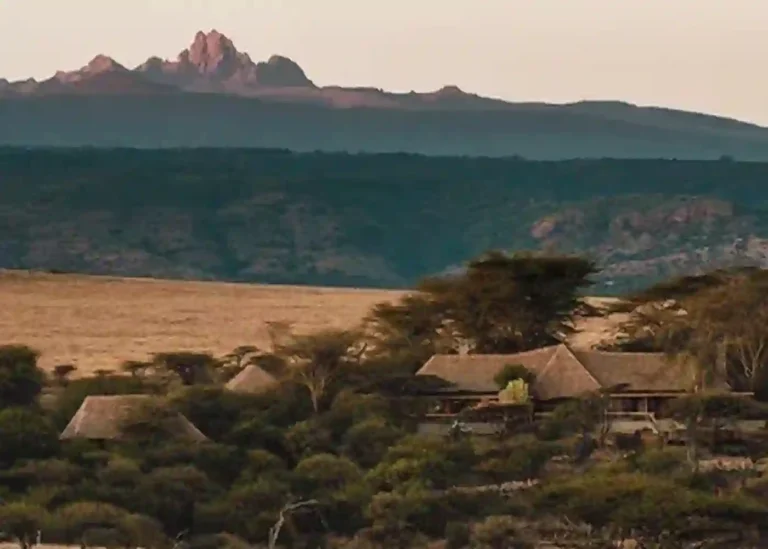
Lewa Wildlife Conservancy covers 65,000 acres on the northern foothills of Mt. Kenya, forming a critical ecological corridor within the UNESCO World Heritage property. The terrain moves between open savannah, undulating plateau, swamplands and the Ngare Ndare Forest to the south, creating a distinct ecological contrast managed jointly with the conservancy. On clear mornings, Mt. Kenya’s snow-capped peaks rise above everything to the south.
Firsthand
Our Firsthand Experience
Firsthand
Our Firsthand Experience
Reaching Lewa from Tanzania involved an overnight stay in Nairobi before a morning flight into the conservancy. The transition felt immediately worthwhile as the aircraft banked over the plains below. The camp’s western edge position made a difference from the start. It felt quieter and more secluded, with the sounds after dinner coming from wildlife rather than people.
The conservancy operations centre tour is something we now recommend to every guest who stays here. It brings the conservation story to life through anti-poaching efforts, Grevy’s zebra monitoring and community development, in a way that no amount of reading can fully prepare you for.
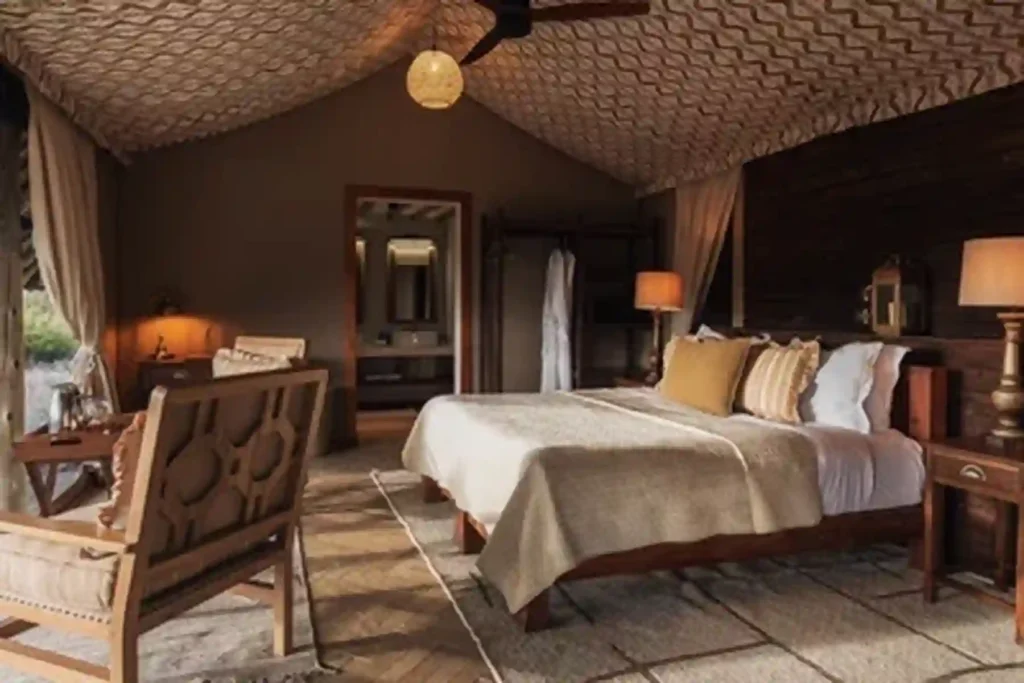
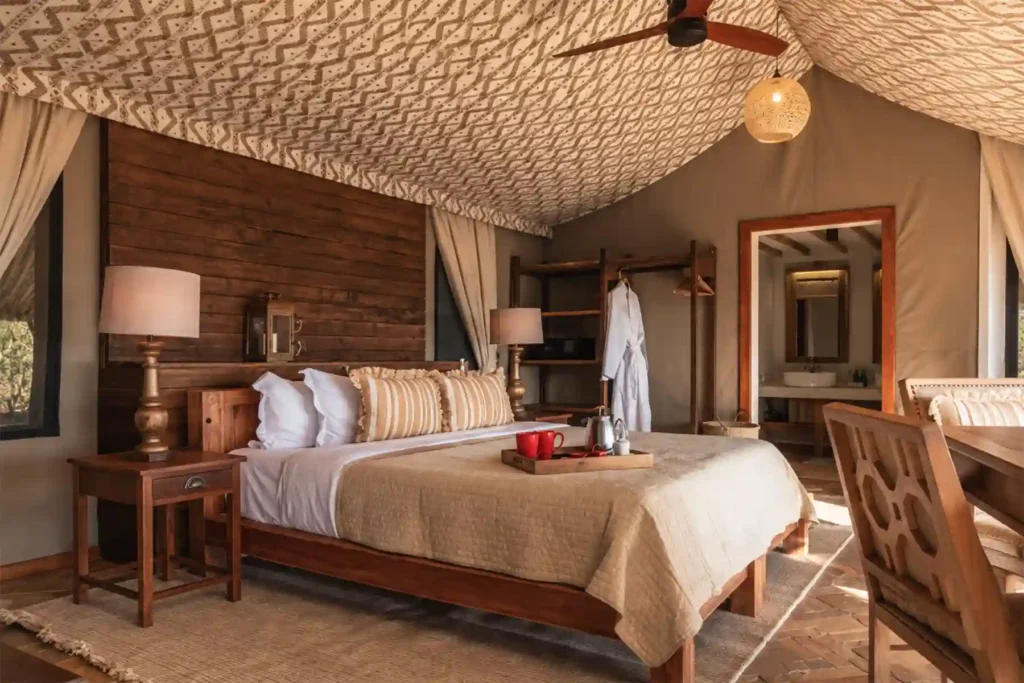
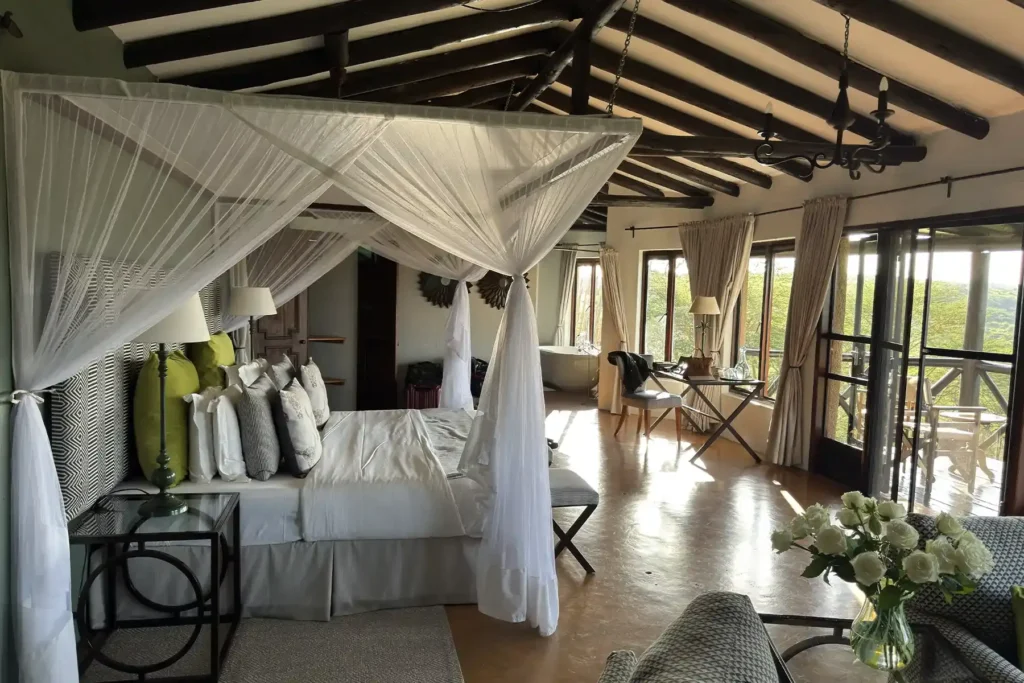
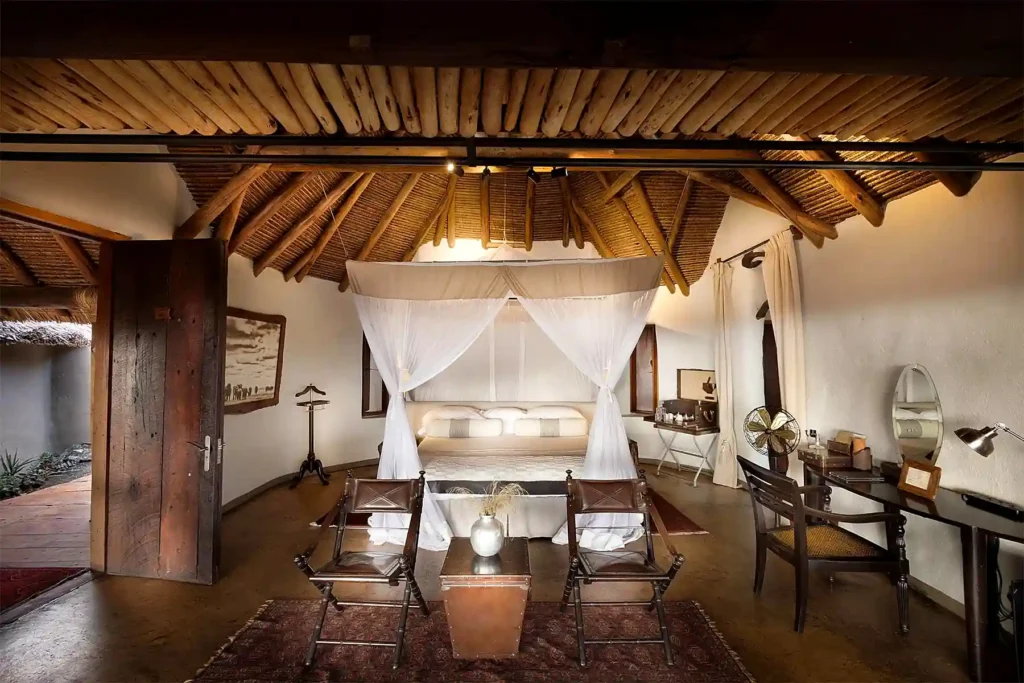
Eleven ensuite safari tents and two family suites, all with private verandas, en-suite bathrooms and double or twin configurations. Following the refurbishment, the guest tents are larger, with expanded shaded verandas.
Safari Tent
Stone and canvas under thatch, with a large bedroom, en-suite bathroom and a private veranda facing the conservancy. Three tents can accommodate a third child under 16.
Private veranda | En-suite bathroom | Double or twin
Family Suite
Two connected ensuite tents, one double and one twin, sharing a veranda. An extra bed for a third child under 16 can be added, accommodating families of five.
Two connected tents | Shared veranda | Sleeps up to 5
The Private House
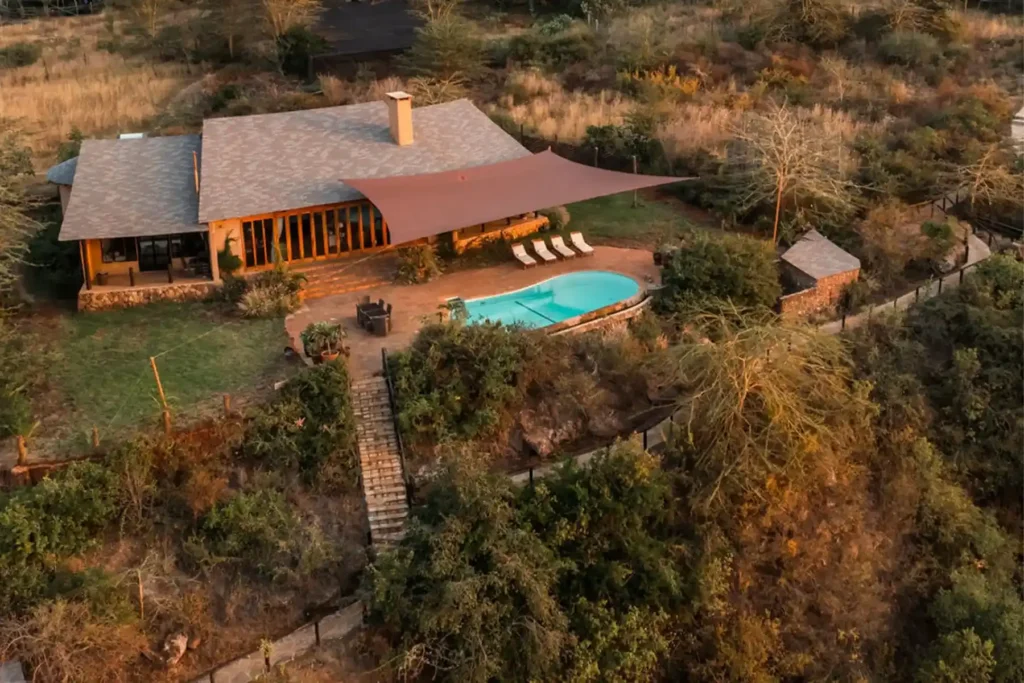
A two-bedroom house on the clifftop with its own plunge pool, private helicopter pad, and a dedicated chef who can cook in-house or send meals from the main lodge. Built for total privacy.
Two ensuite bedrooms · private pool · helicopter pad
Safari Experiences
What You Can Actually Do Here
Lewa’s range of habitats produces an activity programme broader than most Kenya camps offer from one base.
Game Drives
Guided Bush Walks
Horseback Safaris
Camel Treks
Ngare Ndare Forest Excursion
Game Drives
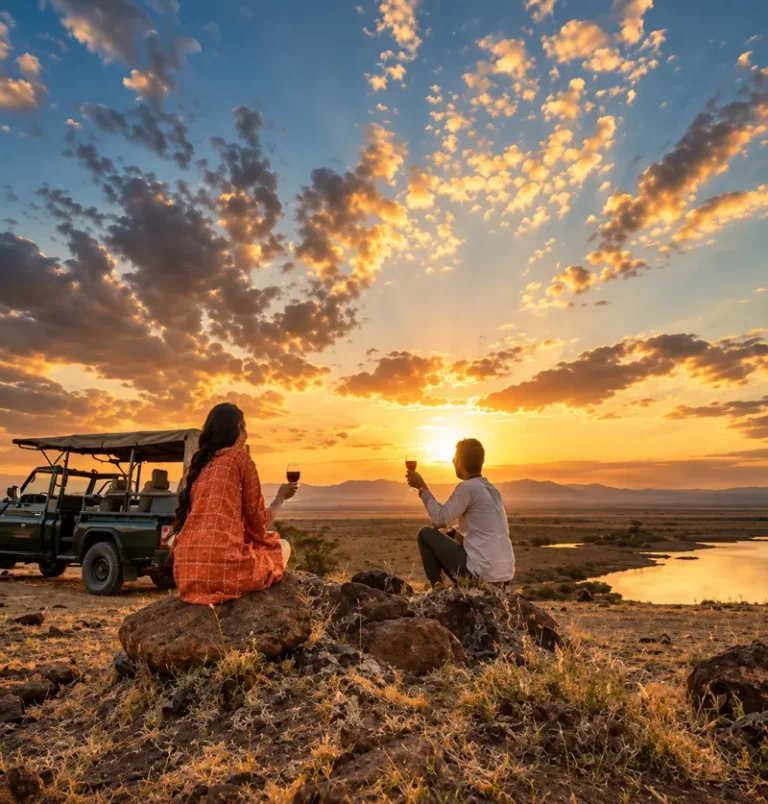
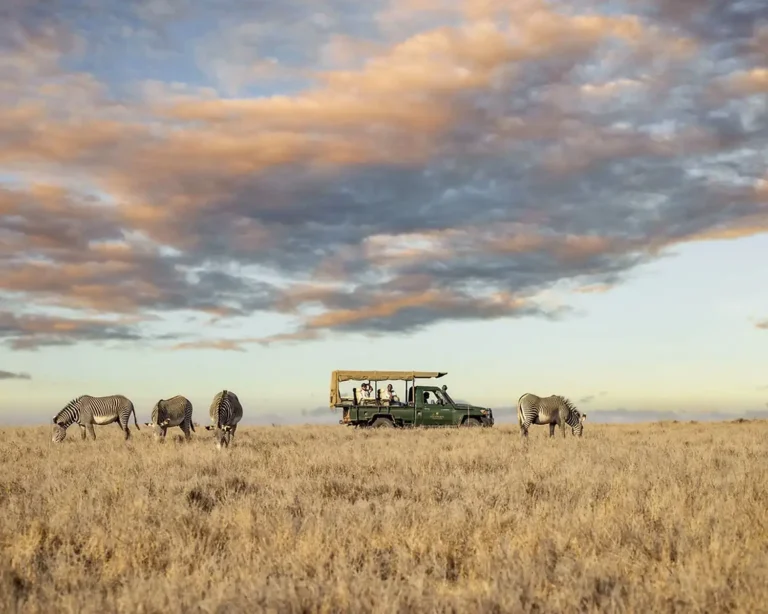
Morning and afternoon drives across 65,000 acres in custom, open-sided 4×4 vehicles. Lewa limits game-viewing circuits strictly to low-impact conservancy partners, avoiding the crowding found in public reserves.
Guided Bush Walks
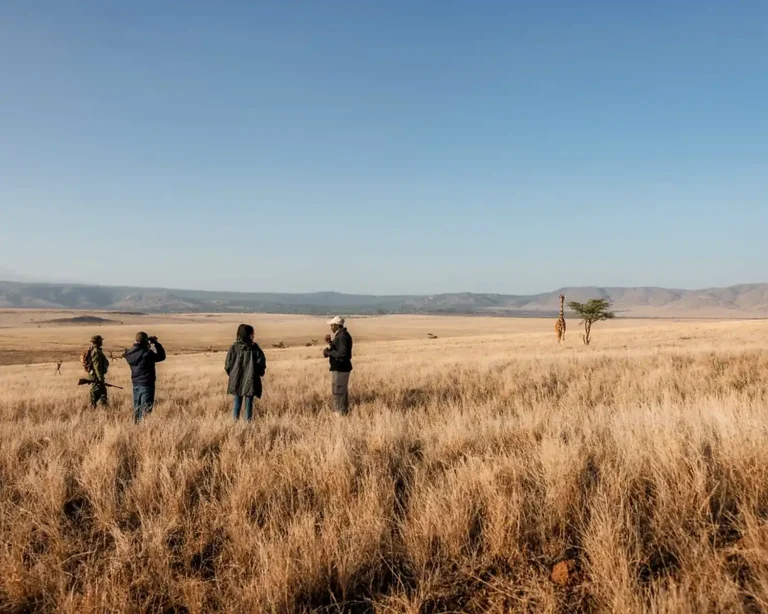
Walking with an armed ranger through savannah, plateau and forest edge, at a pace that reveals tracks, birdlife and details often missed from a vehicle.
Horseback Safaris
Rides across open plains for competent riders, tracking wildlife at eye level. Arranged through the camp.
Camel Treks
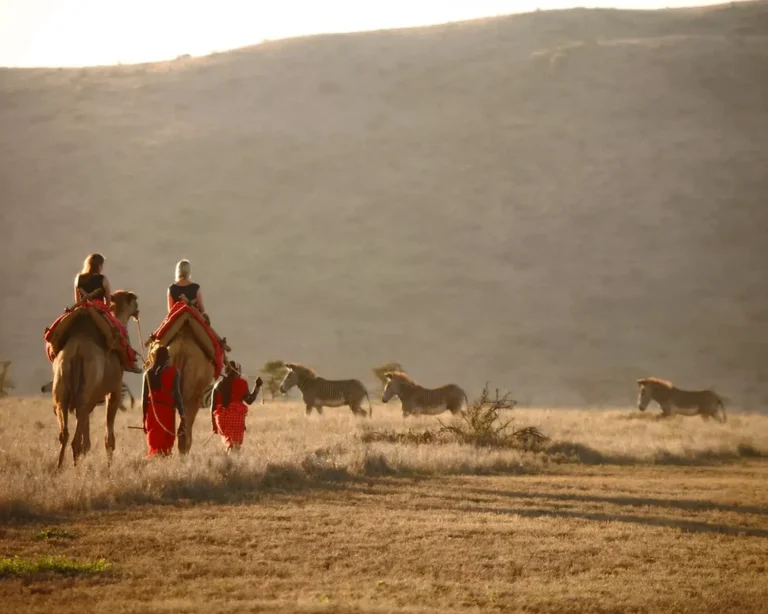
A slow, elevated perspective across the savannah. This Lewa experience has deep ties to the conservancy’s Samburu community neighbours.
Ngare Ndare Forest Excursion
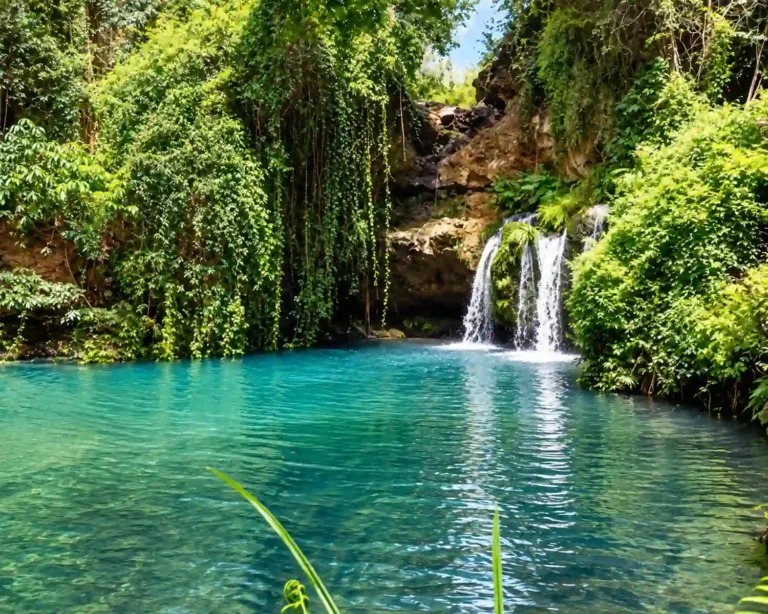
A full-day guided trip to the community conservancy south of Lewa, including a canopy walk and river access. Elephants are frequently present in the forest. A separate conservation fee applies.
Wildlife
Wildlife You May Encounter
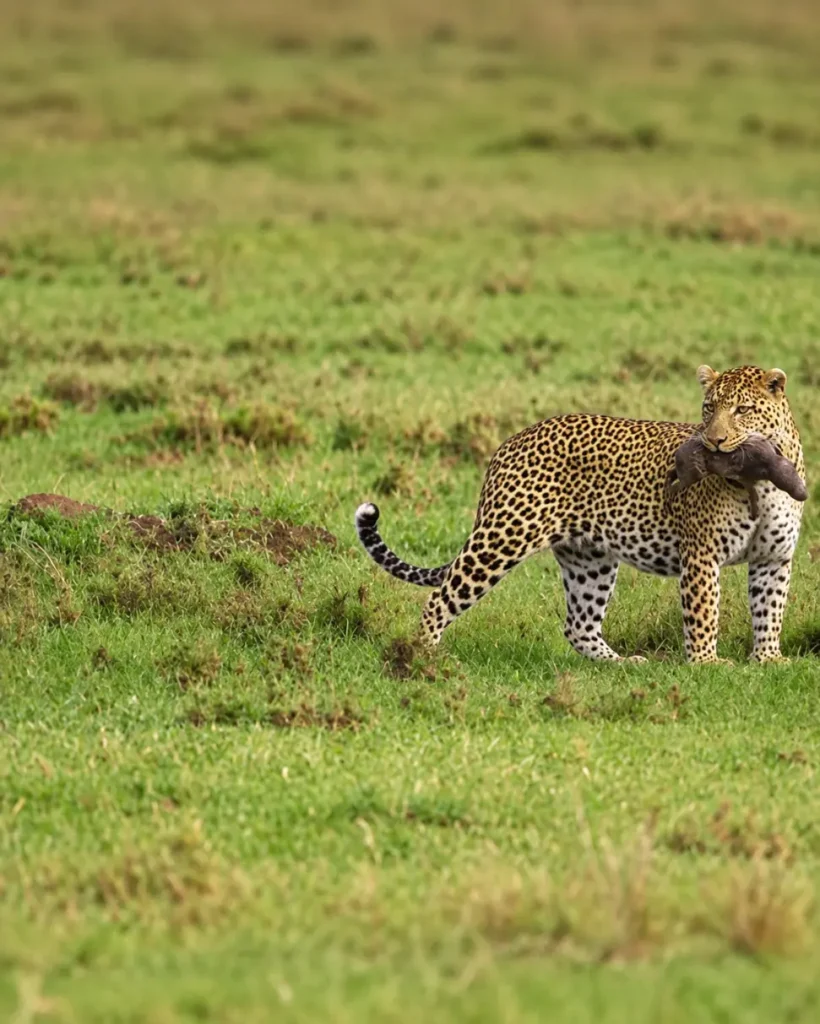
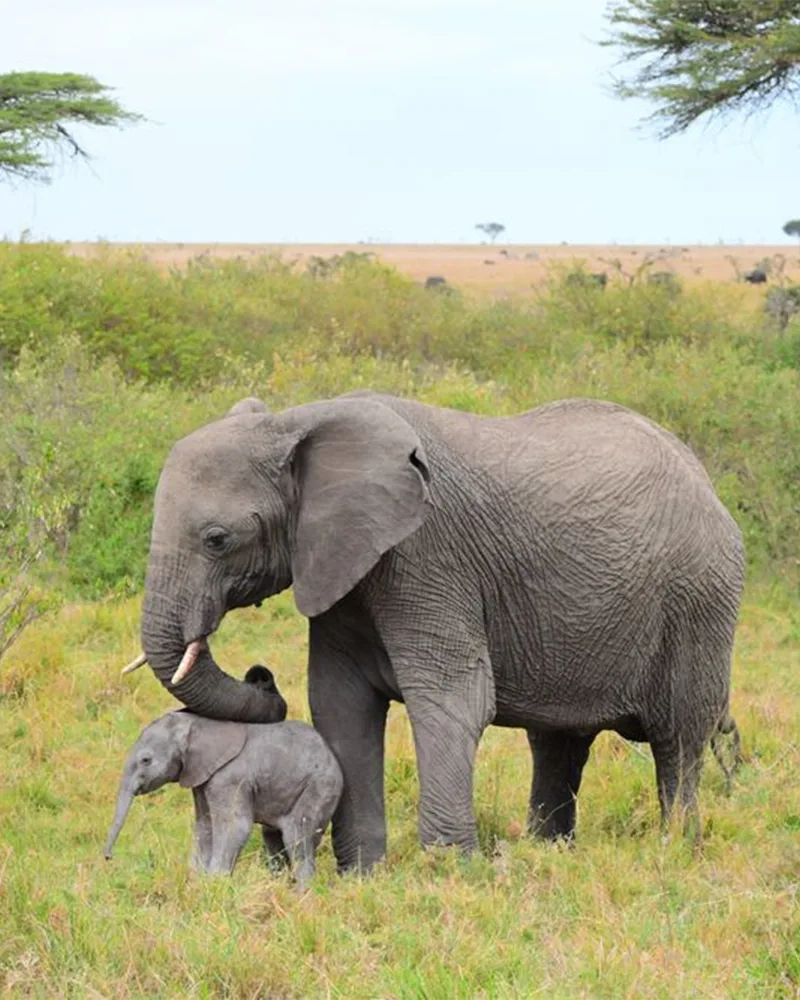
The conservancy’s mix of savannah, swampland and forest edge produces a species list that includes both classic safari wildlife and rare northern Kenya specialities:
Grevy’s Zebra
Black Rhino
White Rhino
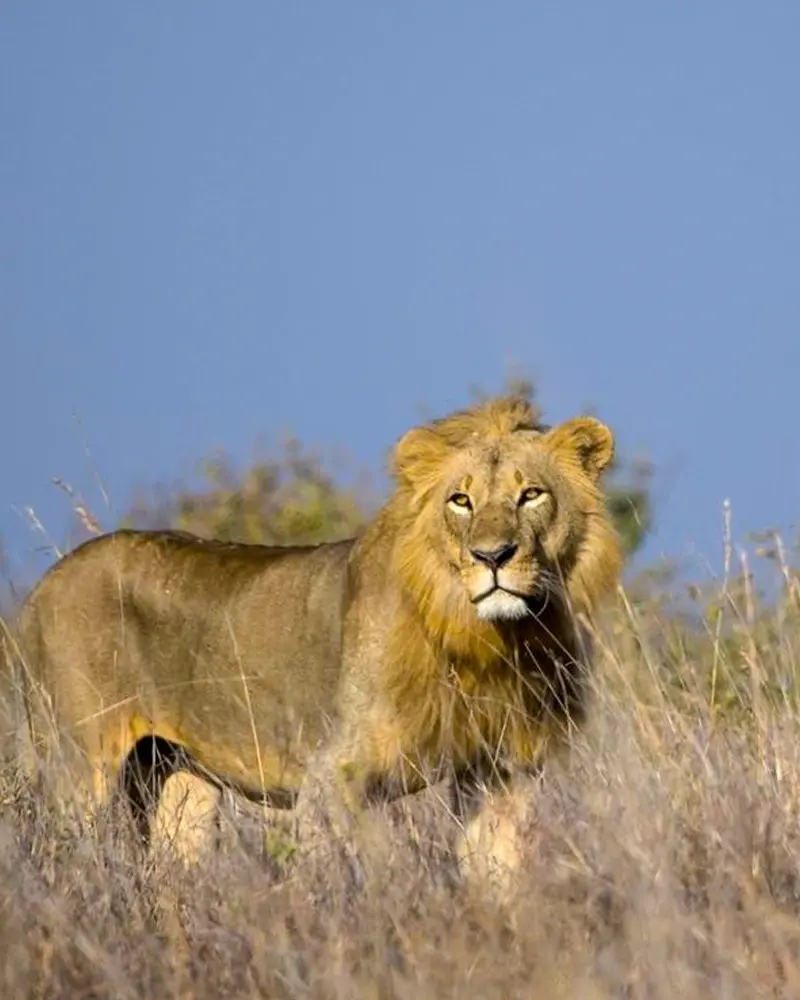
Lion
Leopard
Elephant
Conservation
More Than a Safari
Lewa Wildlife Conservancy was founded in 1995 on former ranch land and was formally inscribed as an extension to the Mount Kenya UNESCO World Heritage Site in 2013. Lewa Safari Camp is the only property on the conservancy owned directly by Lewa itself, with all profits going directly into conservation operations and community development.
The conservancy manages one of Kenya’s most significant rhino populations, runs a globally recognised Grevy’s zebra programme and jointly manages the Ngare Ndare Forest to support continuous wildlife movement. The camp holds a Gold-level Eco-rating Certificate from Ecotourism Kenya.
Getting There
Location & Access
Getting There
Location & Access
Nearest airstrip
Lewa Downs Airstrip
Flight time
Approx. 1 hour from Nairobi Wilson Airport
Transfer to camp
20 minutes by Elewana vehicle
By road from Nairobi
260 km / 5–6 hours. Self-drive requires an approved green/brown 4x4 adhering to Lewa's vehicle code. Alternatively, guests can be met at the conservancy gate for a camp transfer.
Access
Open year-round. A 2-night stay is recommended (minimum-night restrictions apply during peak festive periods).
Best Time to Visit
Seasons at Lewa Safari Camp
January – March
Dry and warm. Excellent visibility across open plains, clear Mt. Kenya views and good opportunities to spot Grevy’s zebra in the short grass.
April – May
Long rains. The plateau becomes dramatically greener, with fewer guests and lower rates. The camp remains open.
June – October
Dry season. Peak wildlife activity and strong predator movement make this an excellent period for combining Lewa with a Mara stay.
November – December
The short rains typically clear quickly, bringing green plains, good value and fewer vehicles than during the peak dry season.
Our Recommendation
January to March for clear Mt. Kenya views and Grevy’s zebra sightings. June to October for peak wildlife activity. The conservancy offers rewarding game viewing year-round.
Rates
Indicative 2027 Rates
Starting From USD 750 ( PPPN )
Inclusive of accommodation, all meals, teas, coffees, soft drinks, beer, house wines, selected spirits and laundry.
Excludes conservancy fees, premium drinks, flights, transfers and gratuities.
The ownership model. No other property on Lewa puts your stay directly into the conservancy’s work in quite the same way. The operations centre tour makes that connection visible and leaves a lasting impression. Add the seclusion of the western edge, strong guiding and the warmth of the camp, and it’s easy to understand its reputation. With the June 2026 refurbishment, the accommodation and public spaces now match the quality of the conservation story and the location.
What To Know
Vehicle standards are strictly enforced to preserve animal welfare and avoid visual pollution. Standard minibuses and low-clearance 2WDs cannot enter, so guests arriving by road in unsuitable vehicles should arrange a transfer from the main gate or headquarters. The camp is sociable rather than silent. If complete solitude is the priority, suite position and timing matter.
Who We'd Send Here
Guests for whom conservation is as important as game viewing. Families with children will also appreciate the age flexibility, camel treks and Ngare Ndare excursion, making it one of the more genuinely child-friendly camps in northern Kenya.
How Long We'd Stay
Three nights. Two nights cover the game drives and operations centre tour, while three allow time for Ngare Ndare and a camel trek without rushing either experience.
Also Consider
Similar Camps
Mara Plains Camp
Olare Motorogi Conservancy, Kenya
A natural southern partner. Lewa and the Mara together cover some of northern and southern Kenya’s finest conservancy experiences.
The six things travellers ask us most about Lewa Safari Camp.
1. Is Lewa Safari Camp suitable for families?
Yes. Family suites sleep up to five, and children are welcomed with activities like camel treks and the Ngare Ndare Forest canopy excursion. While accommodation discounts or free-stay promotions run for children under 12 during specific seasons, mandatory daily conservancy fees still apply to all children aged 6 and older.
2. How many nights should we stay?
Three nights is our recommendation. Two nights cover game drives and the operations centre tour, while three allow time for the Ngare Ndare Forest excursion and a camel trek without feeling rushed.
3. Can we drive ourselves to the camp?
Yes, provided your vehicle meets Lewa’s strict regulations. It must be a 4×4 vehicle painted in safari tones (shades of green, khaki or brown), and drivers must sign the conservancy’s code of conduct. Minibuses, vans and two-wheel-drive vehicles are strictly prohibited. Guests arriving in standard vehicles can be met at the gate or headquarters by the camp’s 4×4.
4. What makes Lewa different from Samburu or other Laikipia properties?
The UNESCO status, direct conservancy ownership of the camp, the Grevy’s zebra population and access to Ngare Ndare Forest all come together in one stay. Black and white rhino, reticulated giraffe and Grevy’s zebra may all be spotted on the same game drive.
5. Is the Ngare Ndare excursion included?
No, a separate conservation fee applies. Arrange it at the time of booking to confirm availability and the current cost.
6. How do we get there?
A one-hour flight from Nairobi Wilson Airport to Lewa Downs Airstrip, followed by a 20-minute transfer to camp in an Elewana vehicle. A two-night stay is recommended to experience the conservancy, with minimum-stay requirements enforced during peak festive holiday periods.
Could This Be Your Africa?
Tell us what you’re looking for, and we’ll tell you honestly whether this camp belongs in your journey.