Every destination, every camp, every trail we recommend – we’ve walked it, stayed in it, and lived it. These aren’t curated highlights from a catalogue. They’re our memories, our mornings, our Africa. And now, we’re sharing them with you.
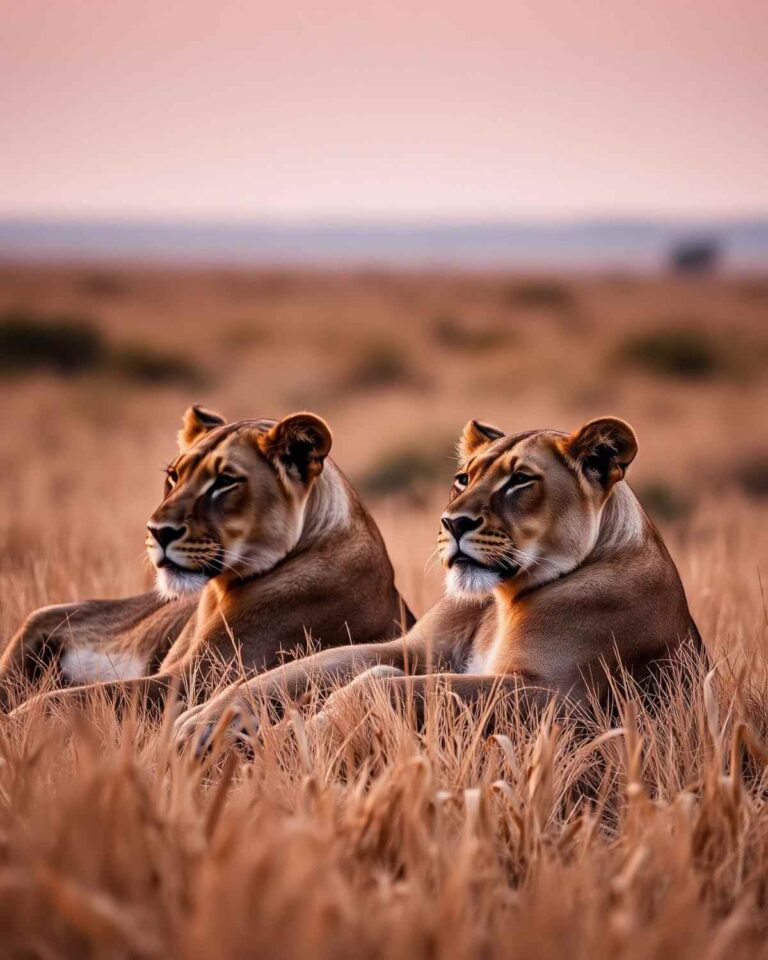
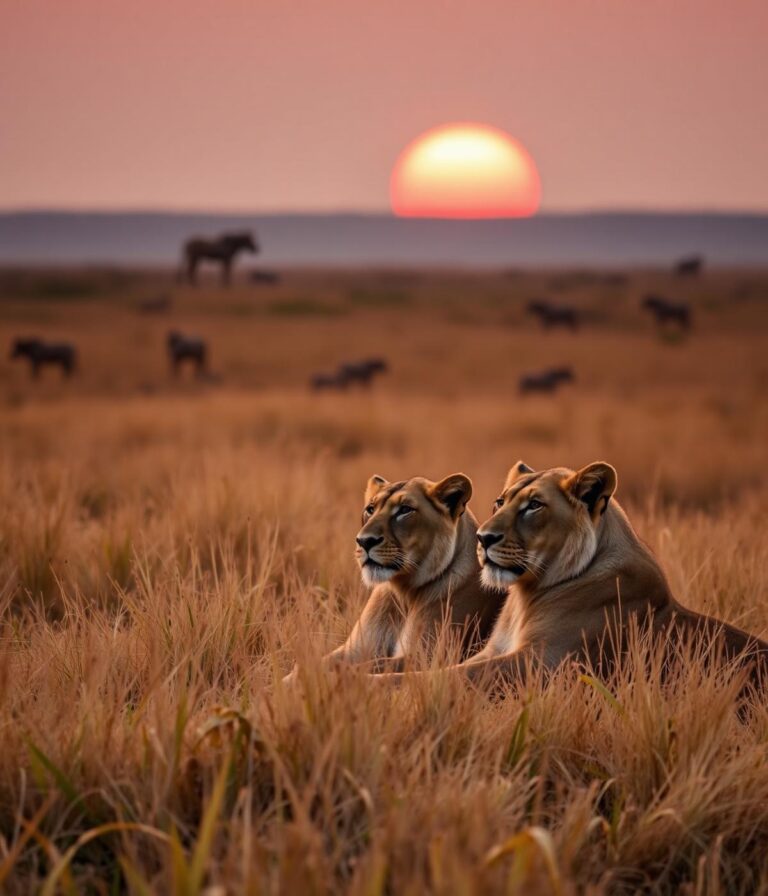
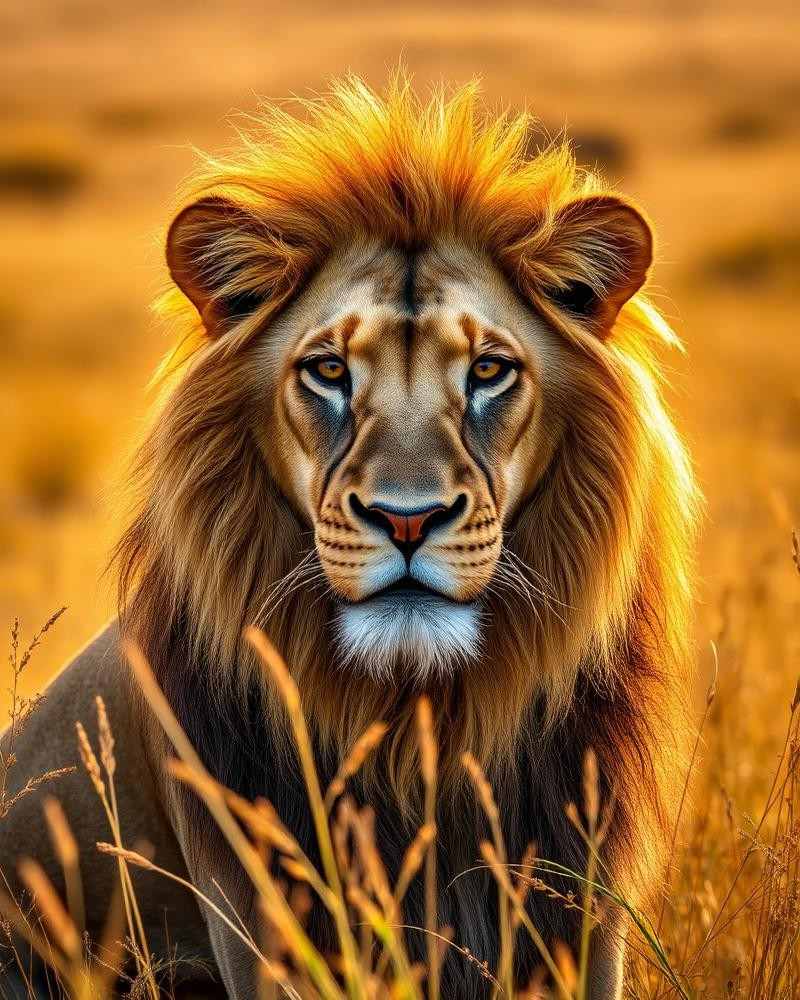
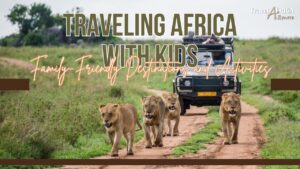
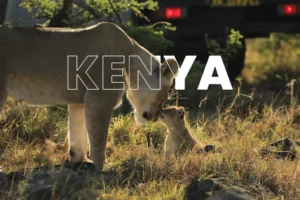
We arrived at Naboisho expecting a quieter version of the Mara. What we found was something better. On our second morning we sat with a coalition of four young lions for the best part of an hour, and not one other vehicle appeared. That is the conservancy in a sentence — the same wildlife as the reserve next door, without the audience.
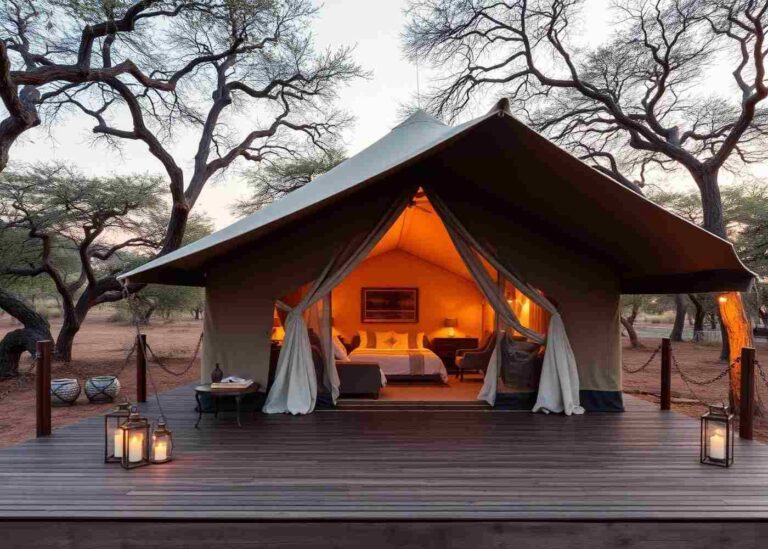
The camp itself is modest in the way we like: nine tents, no pool, no ceremony. What it invests in instead is guiding, and it shows in the first ten minutes of your first drive.
Exceptional private-conservancy setting with a fraction of the vehicles
Outstanding resident wildlife, not dependent on the migration
One of the highest lion densities anywhere in Africa
Walking safaris and night drives permitted year-round
Genuinely intimate camp atmosphere — you learn the guides' names
Camp Experience
A Day Measured in Light
The Camp
Canvas, Lamplight and Very Little Else
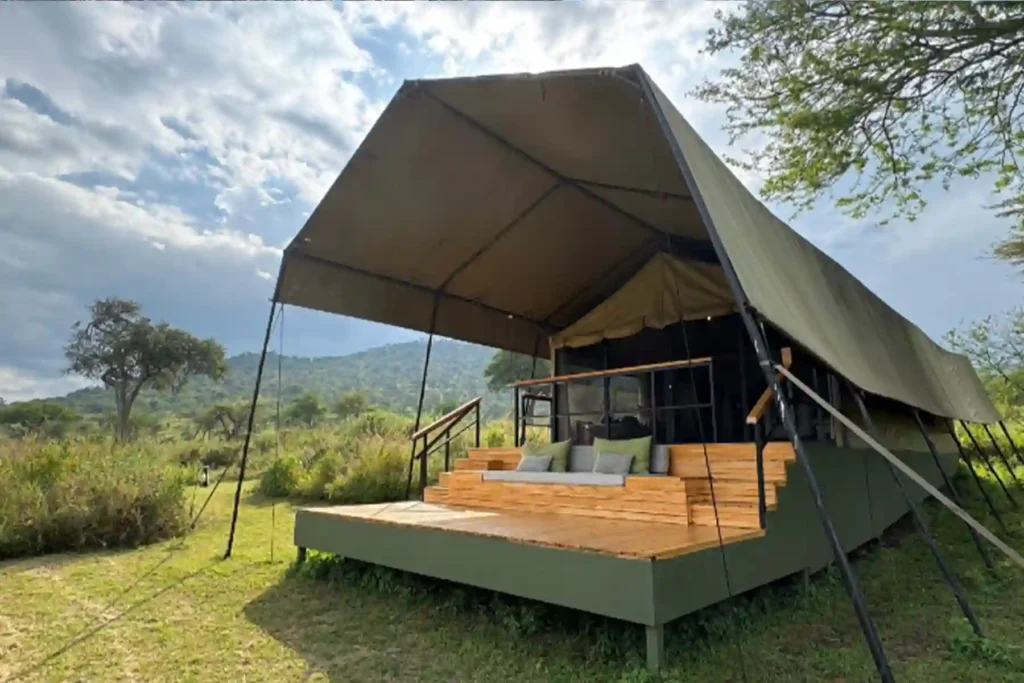
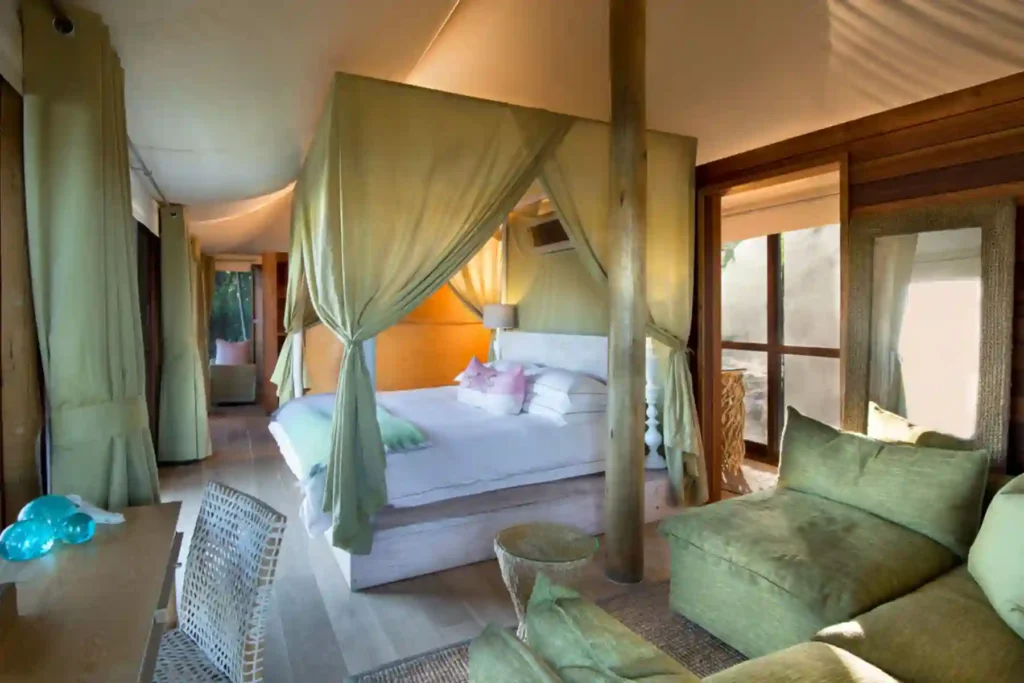
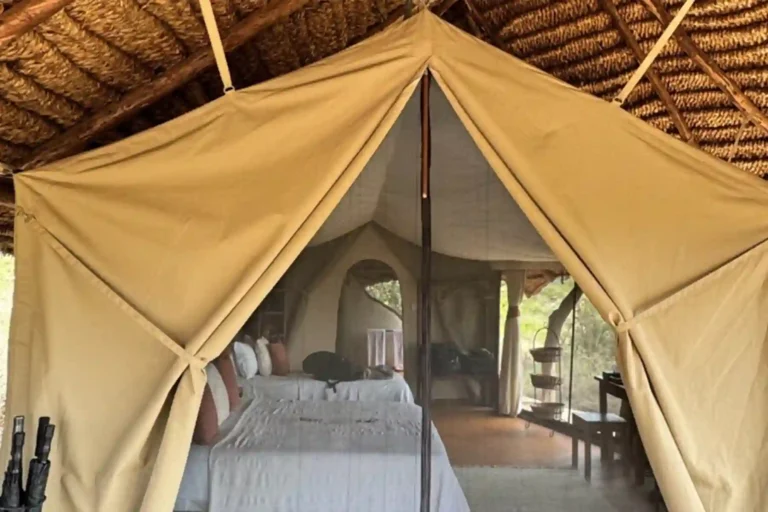
Nine tents sit spaced along a wooded seasonal riverbed, close enough to walk between and far enough apart that you never hear your neighbour. Interiors are honest — polished wood, cotton, brass, a writing desk you will actually use. Meals are shared or private, depending entirely on your mood that evening.
There is no reception desk and no schedule pinned to a wall. Someone simply asks what time you would like to be woken.
The Setting
Fifty Thousand Acres, Shared Sparingly
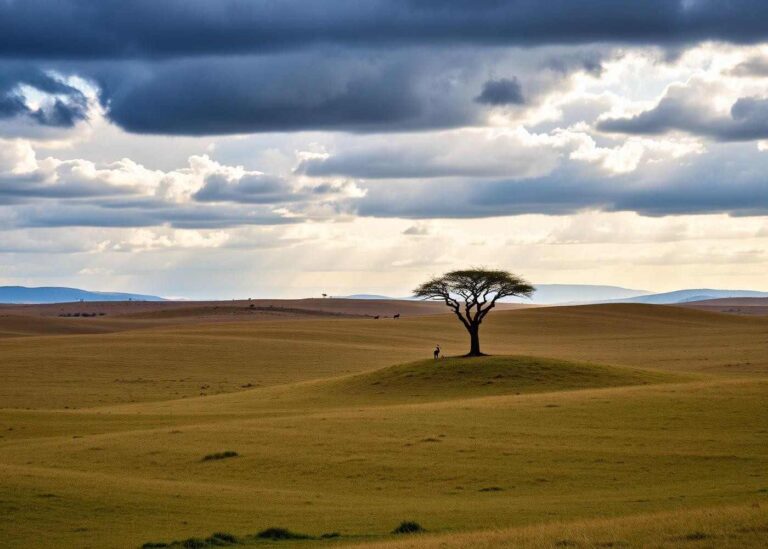
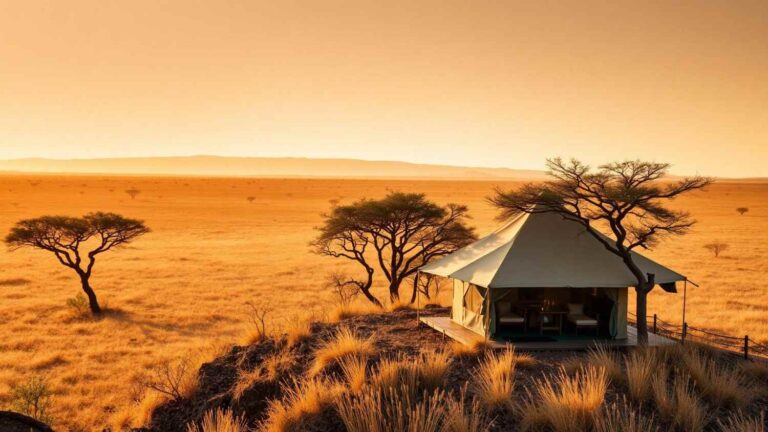
Naboisho borders the Maasai Mara National Reserve and shares its wildlife, but not its rules. Guest numbers are capped by agreement with the Maasai landowners, which is why the plains feel empty even in August.
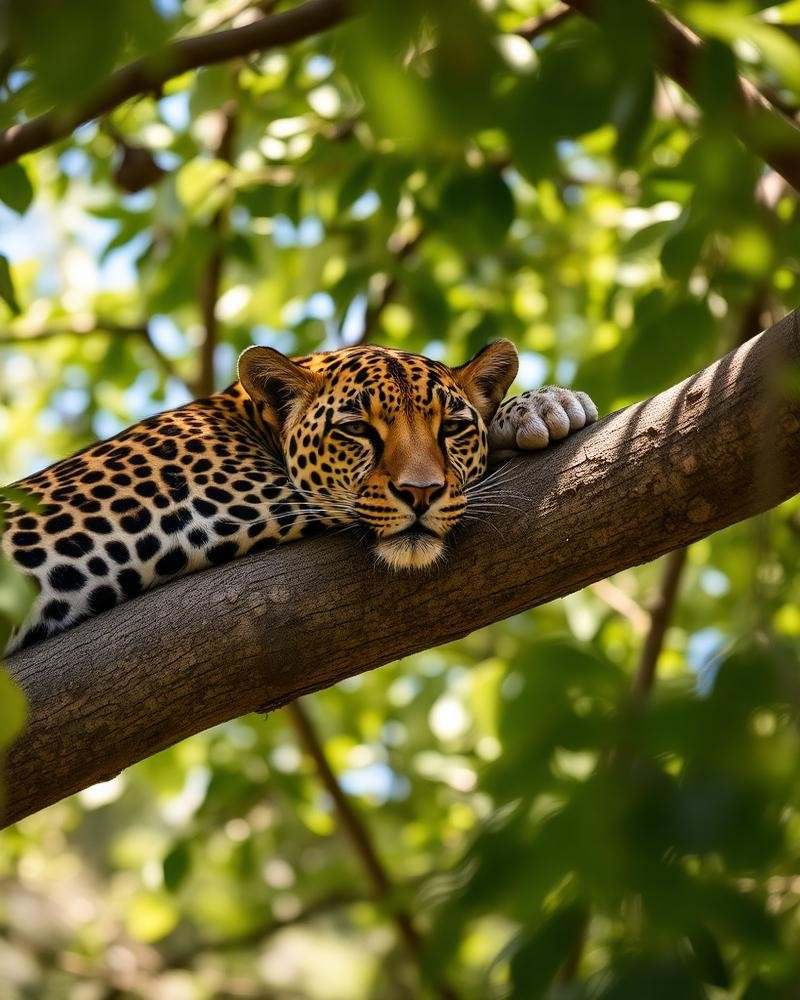
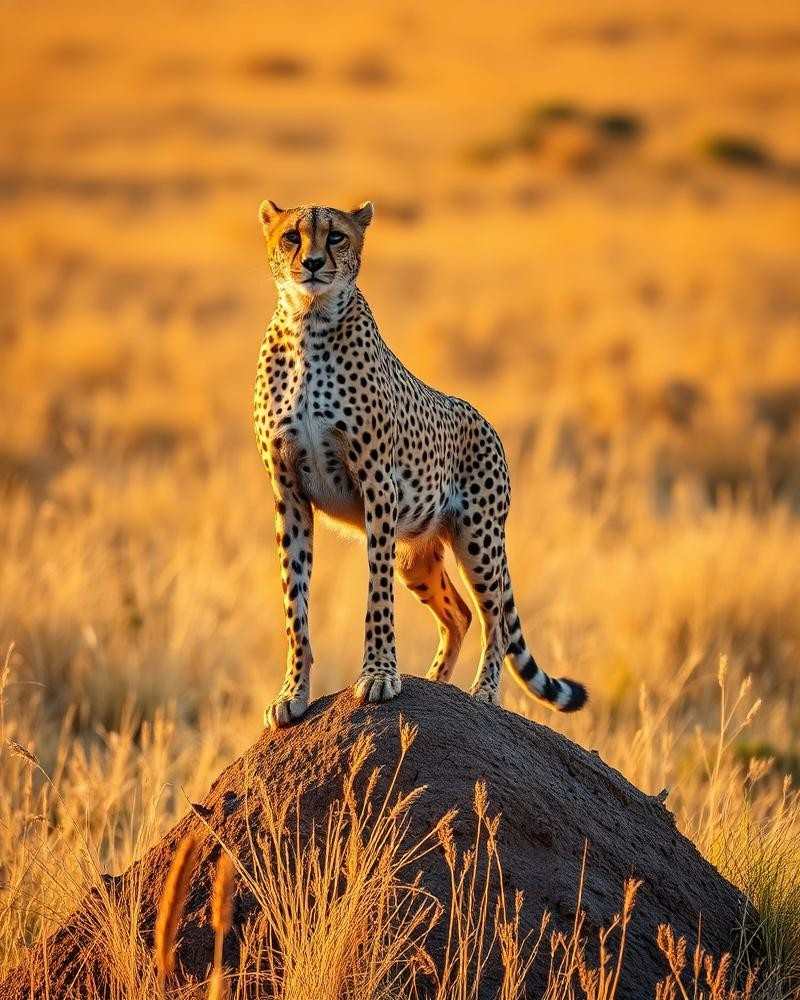
The land rolls — open grassland, islands of acacia, rocky kopjes that cheetah use as lookouts, and dry riverbeds where leopard move at dusk.
Firsthand
Our Firsthand Experience
Firsthand
Our Firsthand Experience
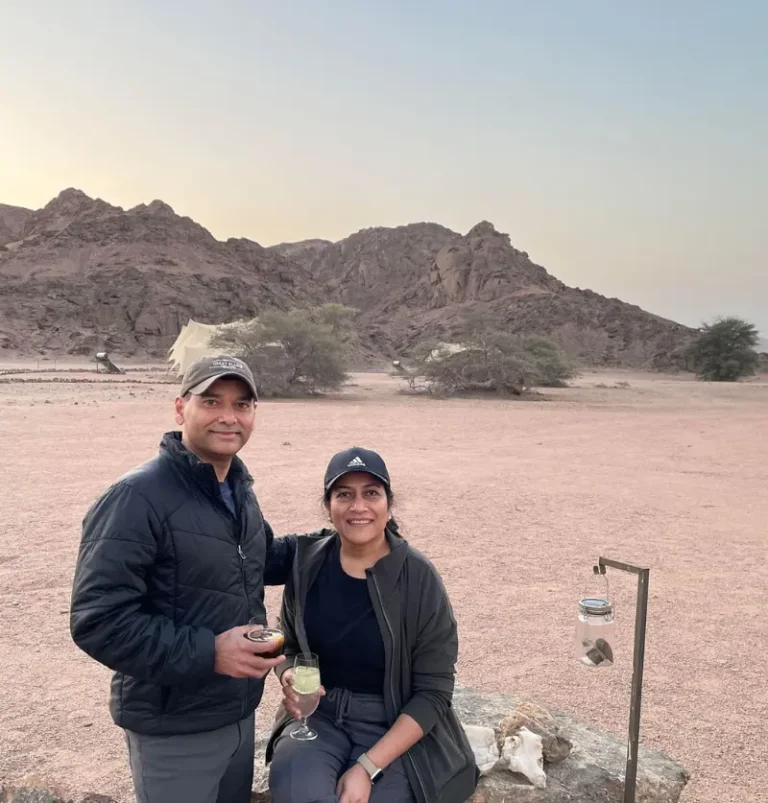
We stayed four nights in February. On the last morning we followed a leopard along the riverbed for twenty minutes in complete silence, and Anita never lifted her camera once. That is the highest compliment we can pay a camp.
We walked the riverbed with the camp’s Maasai guides, sat out a night drive that found an aardwolf, and ate most lunches under the trees. Every recommendation on this page comes from those four days — not from a brochure.
We walked the riverbed with the camp’s Maasai guides, sat out a night
Classic Tent
Canvas under thatch, a wide private veranda and an outlook straight into the bush. Simple, cool and beautifully made.
Private veranda · indoor & outdoor shower
Family Tent
Two connected sleeping areas around a shared deck — enough separation for parents, enough proximity for peace of mind.
Sleeps four · connected sleeping areas
Honeymoon Suite
Set apart at the edge of camp, with an outdoor bath and the kind of silence that makes people whisper at dusk.
Outdoor bath · most private position in camp
Camp Experience
A Day Measured in Light
We walked the riverbed with the camp’s Maasai guides, sat out a night
Game Drives
Night Drives
Walking Safari
Photographic Safari
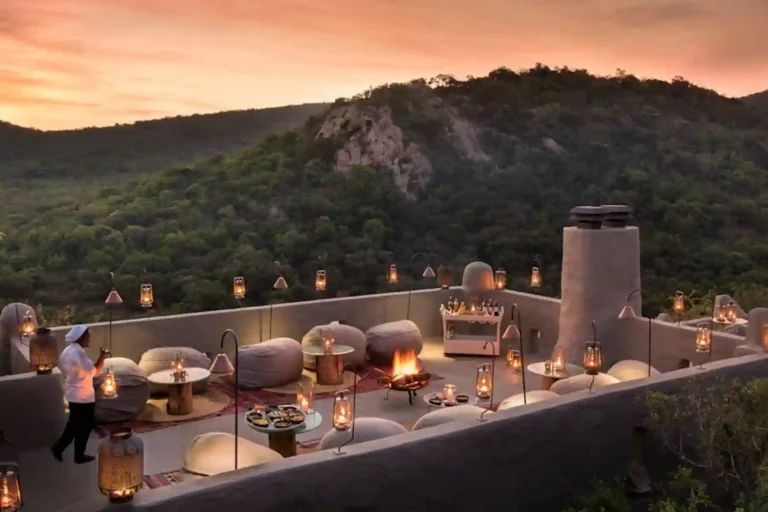
Bush Dining
Fly Camping
Game Drives
Unhurried, off-road, and rarely shared.
Conservancy rules allow off-road tracking, so a sighting is followed rather than watched from a queue. Most mornings you will be the only vehicle there.
Night Drives
Unhurried, off-road, and rarely shared.
Conservancy rules allow off-road tracking, so a sighting is followed rather than watched from a queue. Most mornings you will be the only vehicle there.
Walking Safari
Unhurried, off-road, and rarely shared.
Conservancy rules allow off-road tracking, so a sighting is followed rather than watched from a queue. Most mornings you will be the only vehicle there.
Photographic Safari
Unhurried, off-road, and rarely shared.
Conservancy rules allow off-road tracking, so a sighting is followed rather than watched from a queue. Most mornings you will be the only vehicle there.
Bush Dining
Unhurried, off-road, and rarely shared.
Conservancy rules allow off-road tracking, so a sighting is followed rather than watched from a queue. Most mornings you will be the only vehicle there.
Fly Camping
Unhurried, off-road, and rarely shared.
Conservancy rules allow off-road tracking, so a sighting is followed rather than watched from a queue. Most mornings you will be the only vehicle there.
Wildlife
Wildlife You May Encounter
Naboisho is resident-game country. The plains hold enough prey year-round that the predators have no reason to leave — which is why sightings here rarely depend on season.
Lion
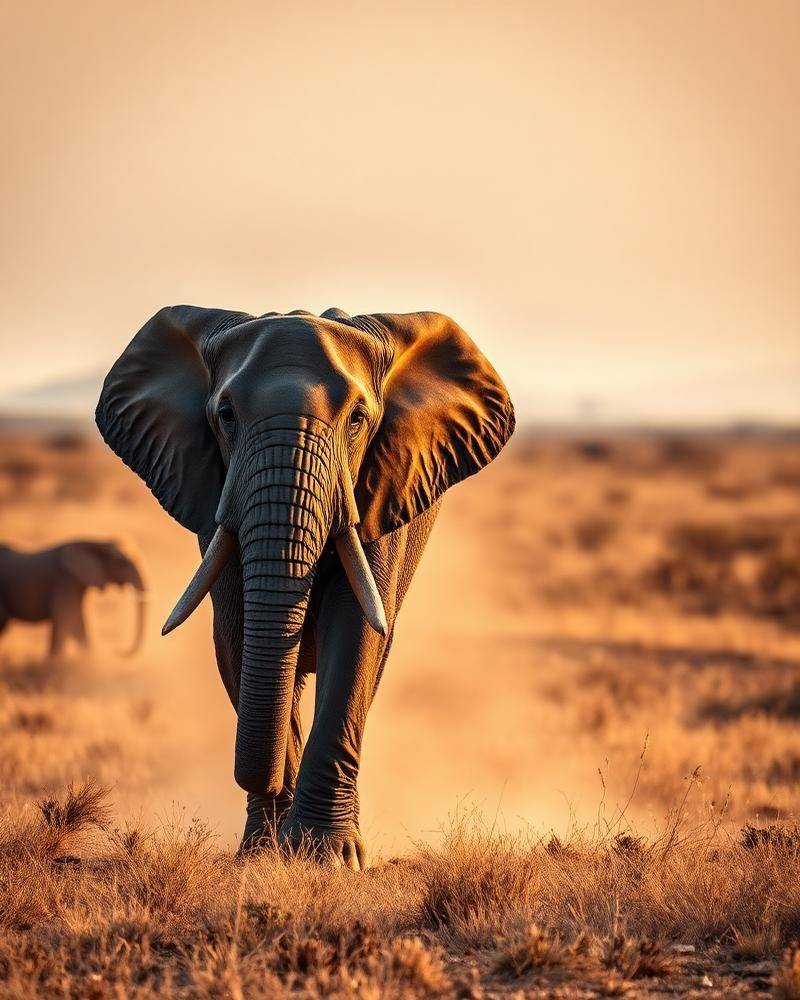
Elephant
Leopard
Cheetah
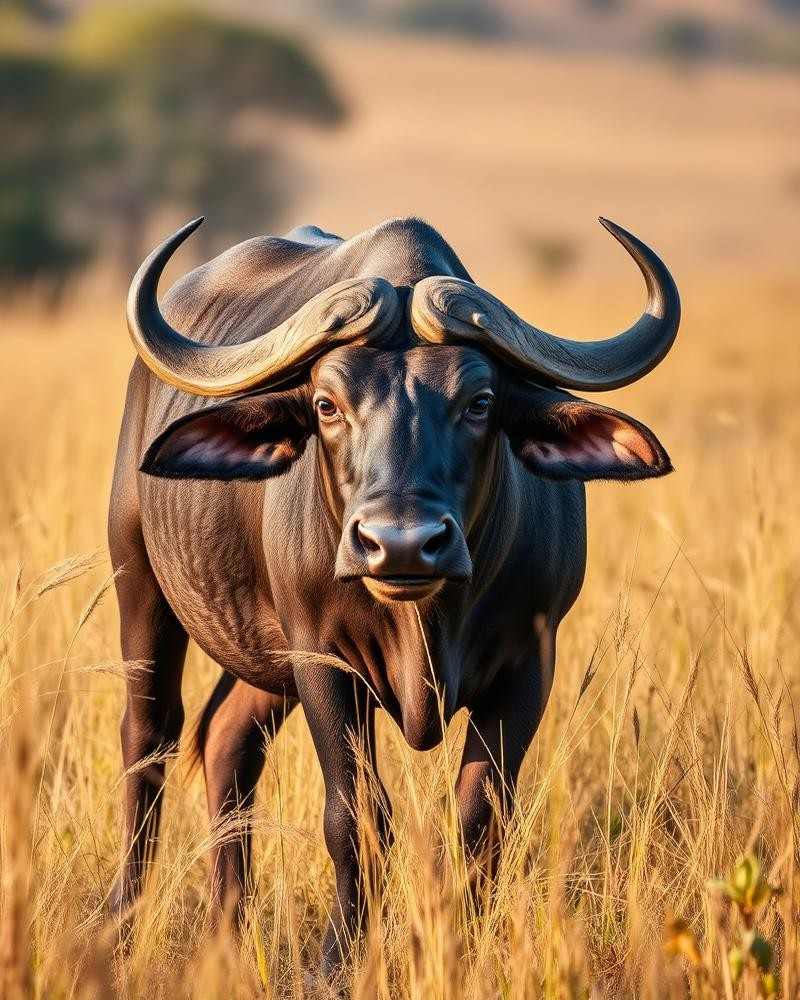
Buffalo
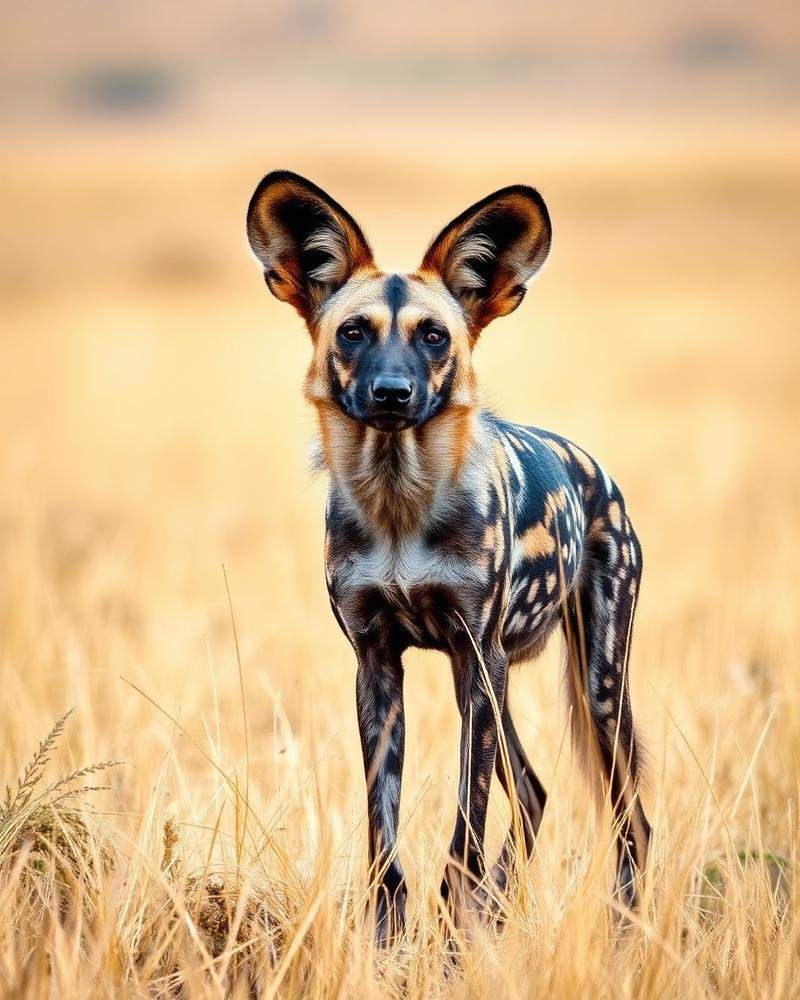
Wild Dog
Conservation
More Than a Safari
We work directly with Africa’s most respected safari operators so every camp we recommend meets one standard. The highest.
This means no intermediaries, no guesswork, and no compromises on quality. Every experience is backed by trusted partnerships, consistent service, and on-ground expertise we know firsthand.
These are not just affiliations. They are relationships built on shared standards, reliability, and a deep understanding of what a great safari should feel like.
Wildlife
Location & Access
Getting There
Location & Access
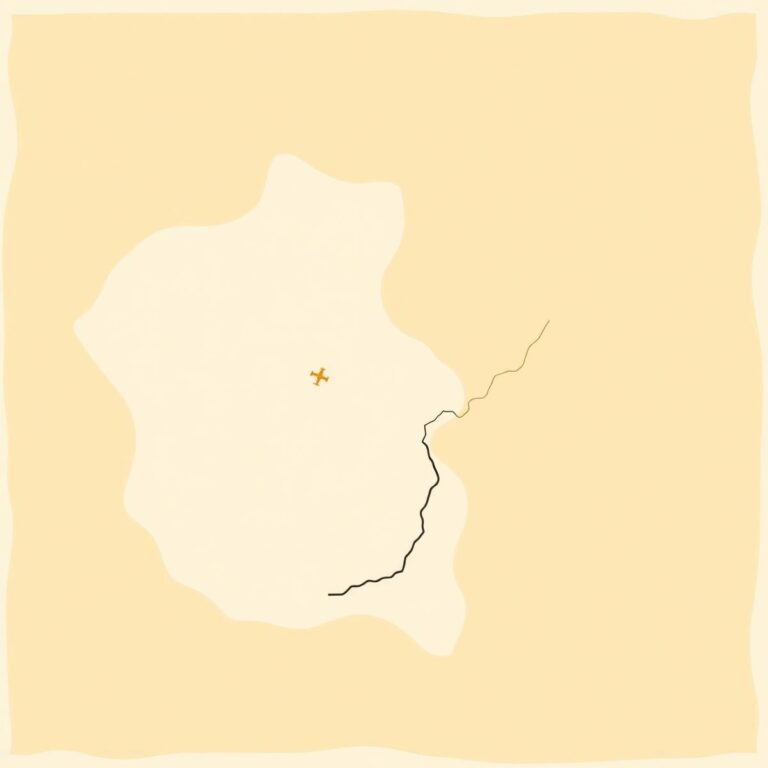
NEAREST AIRSTRIP
Naboisho / Ol Seki airstrip
NEAREST AIRSTRIP
Naboisho / Ol Seki airstrip
NEAREST AIRSTRIP
Naboisho / Ol Seki airstrip
NEAREST AIRSTRIP
Naboisho / Ol Seki airstrip
NEAREST AIRSTRIP
Naboisho / Ol Seki airstrip
Seasons
Best Time to Visit
January – March
Warm, green and quiet. Superb light, newborn plains game and cheetah at their most visible.
April – May
Long rains. Fewest guests and lowest rates, but afternoon storms and some camps close.
June – October
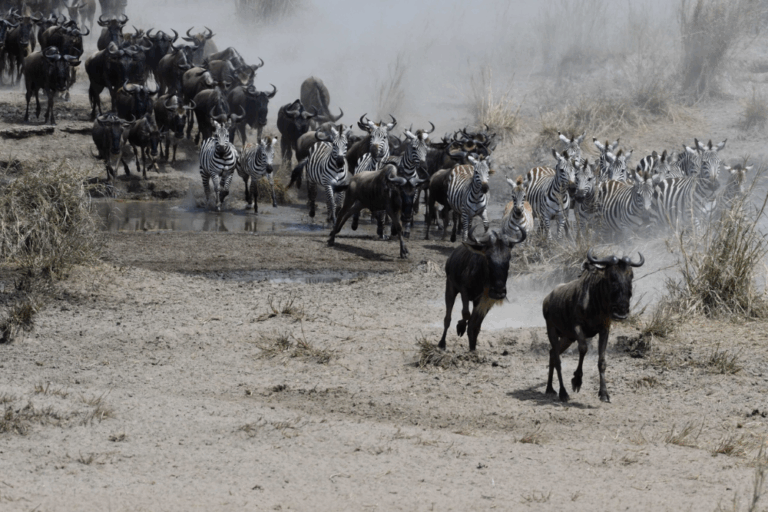
Dry season. Peak predator activity, and the migration in the neighbouring reserve.
November – December
Short rains clear quickly. Dramatic skies, excellent value and good resident game.
Our Recommendation
There is no single best month — the ideal time depends on what you want from your safari. February brings light, space and cheetah; August brings density and drama; late November offers the quietest value.
Wildlife
Location & Access
From US $780 ( PPPN )
Fully inclusive of accommodation, all meals, drinks, guided activities and conservancy fees.
*Indicative rate. Prices vary by season, availability and travel dates.
We only write this section for camps we have slept in ourselves.
What We Love
The conservancy model. You can be alone with a leopard for twenty minutes, which almost never happens across the boundary in the main reserve. The guiding is unusually good, and the camp has resisted the urge to grow.
What To Know
It is a classic tented camp, not a design hotel. There is no pool, no air conditioning, and the tents can be warm at midday. Bring a torch. If polished resort comfort matters most, this is not your camp.
Who We'd Send Here
Travellers who care more about what they see than where they sleep. Couples, keen photographers, and families with children old enough to walk. Also excellent for a considered first safari.
How Long We'd Stay
Four nights. Three works, but the fourth is where the conservancy opens up — a long walk, a night drive, and a slow morning without watching the clock.
Also Consider
Similar Camps
Rekero Camp
Maasai Mara Reserve, Kenya
Canvas under thatch, a wide private veranda and an outlook straight into the bush. Simple, cool and beautifully made.
The six things travellers ask us most about Naboisho.
1. How is Travel Africa & More different from established safari companies?
We design safaris based on firsthand experience across Africa’s leading camps and regions. Our approach is more considered and personal, we focus on where, when, and how you travel, not just what you book. With direct relationships on the ground, we offer access and insight that go beyond standard itineraries.
2. How do you ensure the quality of camps and experiences you recommend?
We only recommend camps we’ve personally visited or have strong, trusted relationships with. Every stay is chosen for its location, guiding quality, and overall experience, not just reputation or marketing. Want to see our experiences firsthand? Browse our Trip Reports for detailed, on-the-ground insights.
3. Is everything handled end-to-end, including logistics and transfers?
Yes. Your journey is fully managed, from internal flights and transfers to camp stays, activities, and on-ground coordination. You don’t need to piece anything together; everything is designed to flow seamlessly.
4. When is the best time to go on an African safari?
It depends on what you want to experience. Wildlife movement, landscapes, and overall feel vary significantly by season and region. We guide you on timing first, then build your itinerary around it, not the other way around.
5. What does a luxury safari typically cost?
Safaris vary based on region, season, and level of accommodation. As a general guide, luxury safaris typically begin from $1,200+ per person per night, with more exclusive, remote experiences going beyond that. We help you understand what drives this, from location and access to guiding quality and overall experience so you know exactly where the value lies.
Could This Be Your Africa?
Tell us what you’re looking for, and we’ll tell you honestly whether this camp belongs in your journey.