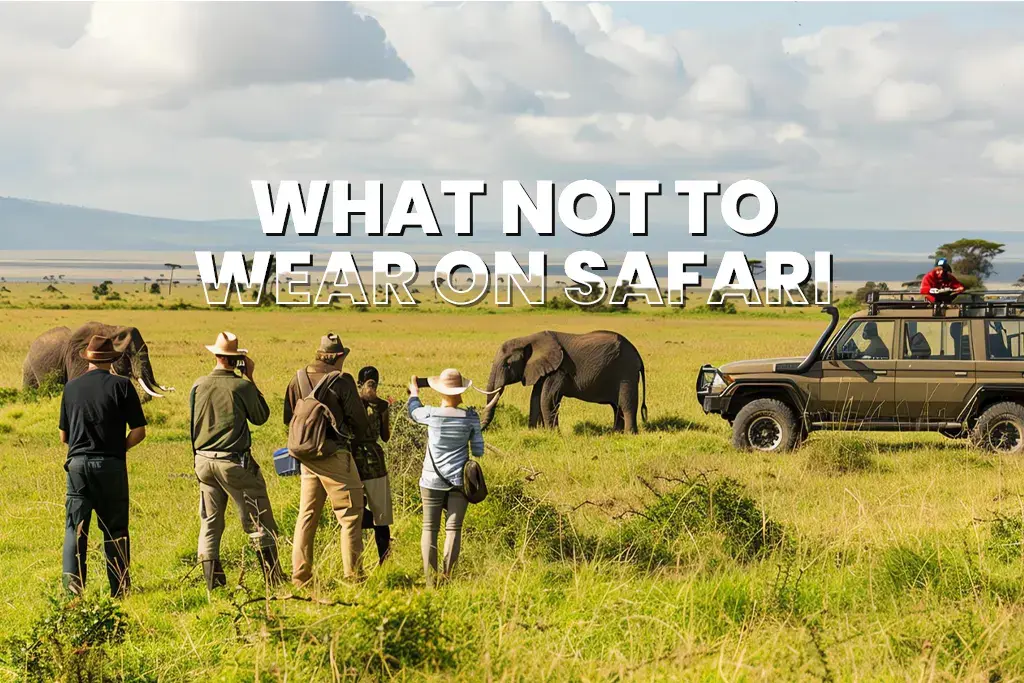
Planning an African safari is one of the most exciting travel experiences in the world. People often focus on choosing the right lodge, booking game drives, and preparing cameras for wildlife photography. What many travelers underestimate, however, is the importance of what they wear during safari activities.
Clothing on safari is not simply about style or comfort. The wrong outfit can attract insects, make you visible to wildlife, or leave you uncomfortable during long hours in the bush. Safari environments involve dust, intense sunlight, early morning temperatures, and close encounters with wildlife. Because of this, outfit choices play a bigger role than most first-time visitors expect.
Understanding what not to wear on safari helps travelers stay comfortable, blend into the natural surroundings, and fully enjoy the experience.
Why Your Safari Clothing Choices Matter
Safari conditions differ from those of typical vacation settings. Game drives often begin early in the morning when temperatures are cooler and continue through warm afternoons. Travelers may spend several hours in open vehicles while observing animals in their natural habitat. In these situations, clothing serves several purposes:- Reducing visibility to wildlife
- Avoiding insect attraction
- Managing heat and sun exposure
- Staying comfortable during long drives
- Handling dust and outdoor conditions
Bright Colors That Disturb Wildlife
Bright colors may look appealing in travel photos, but they are not ideal for safari environments. Colors such as red, orange, bright yellow, or neon shades stand out strongly against the natural tones of the African landscape. When wildlife notices these colors, it can change their behavior or make them move away from the area. During game drives, the goal is to observe animals without drawing attention. Bright clothing can disrupt that experience for both you and other travelers in the vehicle. Instead of bright tones, most safari operators recommend wearing neutral earth colors that blend naturally into the surroundings. Examples of colors to avoid include:- Neon athletic shirts
- Bright red or orange clothing
- Colorful patterned outfits
- High-visibility sportswear
Why Blue and Black Clothing Attract Insects
One of the most widely shared safari tips concerns dark blue and black clothing. These colors attract tsetse flies, an insect found in many safari regions. Tsetse flies are drawn to dark shades, particularly blue and black. In fact, insect traps used in some African regions intentionally use blue fabric to attract these flies. Wearing dark blue or black clothing increases the chances of attracting these insects during game drives or bush walks. Another challenge with dark clothing is heat absorption. Black fabric absorbs more sunlight, which can make travelers feel significantly hotter during midday safari activities. Because of these reasons, many safari guides recommend avoiding dark blue and black clothing whenever possible.Why White Clothing Is a Poor Choice
White clothing might seem like a logical choice in warm climates, but it is not ideal for safari conditions. Safari environments are often dusty, especially during dry seasons. Dirt and dust quickly become visible on white fabrics. After a single game drive, white clothing may appear noticeably dusty. White clothing also stands out strongly against the natural landscape, making travelers more visible to wildlife. For these reasons, white outfits often become impractical during multi-day safari trips. Neutral shades such as beige or tan are usually better options because they hide dust more effectively.Why Camouflage Clothing Can Cause Problems
Some travelers assume camouflage clothing is perfect for safari because it resembles military gear designed for outdoor environments. However, wearing camouflage patterns can create problems in several African countries. In certain destinations, camouflage clothing is restricted because it is associated with military uniforms. Visitors wearing camouflage clothing may attract unnecessary attention or be asked to change outfits in public places. To avoid any complications, travelers are generally advised to leave camouflage clothing at home and choose neutral outdoor clothing instead.Heavy Fabrics That Make Safari Uncomfortable
Safari activities involve long hours outdoors, often under strong sunlight. Heavy fabrics such as denim or thick cotton can quickly become uncomfortable in these conditions. Heavy materials tend to:- Trap heat
- Dry slowly after washing
- Feel restricted during long drives
- Collects dust easily
Why Strong Fragrances Should Be Avoided
While not directly related to clothing, fragrances can also influence the safari experience. Strong perfumes, scented lotions, or heavily fragranced sprays may attract insects in certain environments. In addition, strong scents can travel in open safari vehicles and may distract from the natural outdoor atmosphere. Many safari guides recommend using minimal fragrance products when heading out on game drives. A simple approach helps maintain comfort and reduces the chance of attracting insects.What Safari Experts Recommend Wearing
Instead of focusing only on what to avoid, it is helpful to understand what works best for safari conditions. Most safari operators recommend clothing in natural tones that blend into the surrounding environment. Commonly recommended colors include:- Khaki
- Olive green
- Beige
- Tan
- Light brown
- Lightweight long-sleeve shirts
- Comfortable long pants
- Breathable fabrics
- Layered clothing for temperature changes
Practical Safari Clothing Tips
Packing wisely for safari can make the entire trip more comfortable. A few simple clothing strategies can help travelers prepare effectively. Choose neutral colors Clothing in natural tones works best in safari environments. Pack breathable fabrics Lightweight fabrics help manage heat and improve comfort during long drives. Bring layers Early mornings and evenings may be cooler than midday temperatures. Wear long sleeves and pants when possible These provide additional protection from insects and sun exposure. Prioritize comfort over style Safari clothing does not need to be fashionable. The goal is practicality. These small decisions can significantly improve the safari experience.Quick Safari Packing Checklist
For travelers preparing for their first safari, the following clothing checklist provides a useful starting point:- Neutral colored shirts
- Lightweight long pants
- Comfortable walking shoes
- A light jacket for early mornings
- A wide-brim hat for sun protection
- Sunglasses
- Lightweight scarf or buff for dust protection