
There is a moment that happens to many people before their first safari.
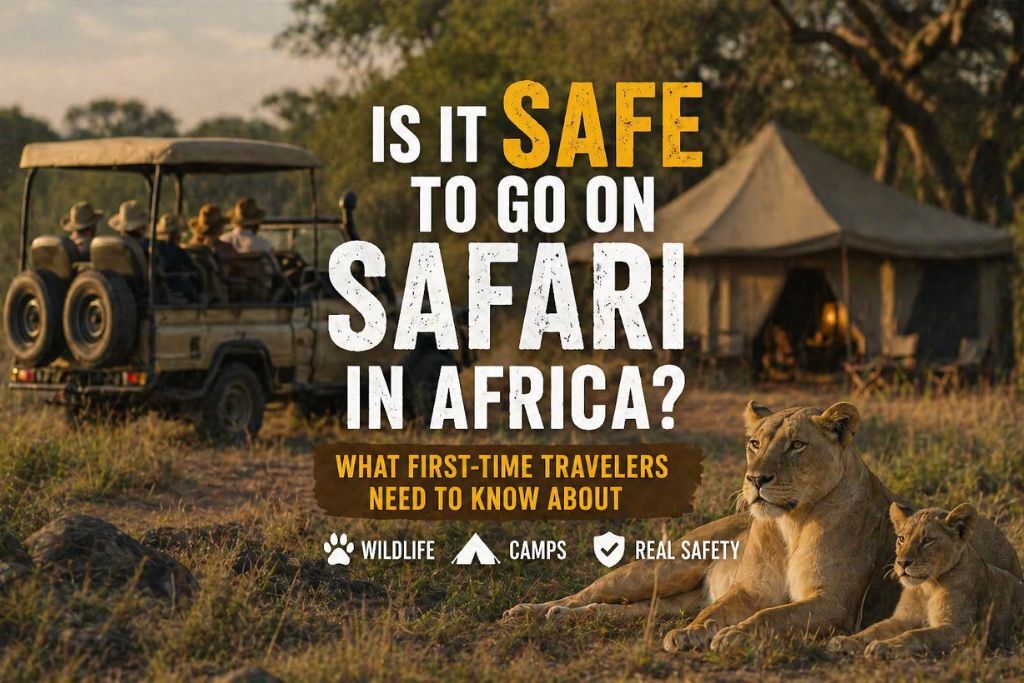
They are sitting at home, looking at extraordinary photos from Africa. A lion sleeps beside an open vehicle. An elephant stands so close to a jeep that it seems possible to touch its trunk. A luxury tented camp glows under lantern light while something wild moves in the darkness beyond.
The pictures are beautiful, but they also raise a serious question.
Is this actually safe?
It is a fair concern. Safari is not a theme park experience. It takes place in real wilderness, often in remote landscapes where animals move freely, and nature follows its own rules. Yet the honest answer may surprise many first-time travelers:
Yes, going on safari in Africa is generally very safe when it is arranged properly and operated by experienced professionals.
That last phrase matters. Safari safety does not come from luck. It comes from planning, discipline, training, local knowledge, and guest behavior. What looks effortless to the traveler is often the result of countless systems working quietly in the background.
A well-run safari feels calm because professionals have already thought through the risks before you ever arrive.
Why Safari Looks More Dangerous Than It Usually Is
Part of safari’s reputation comes from the visuals. Watching a predator at close range or hearing lions after dark naturally triggers caution. Human beings are wired to pay heightened attention to wild animals. But perception and reality are not always the same thing. Many everyday travel activities carry risks people barely think about: long highway transfers, unfamiliar traffic conditions, dehydration in heat, slippery hotel steps, poorly planned excursions, or neglecting medical insurance. Safari wildlife feels dramatic, so it captures attention. Yet in many cases it is the most controlled and professionally managed part of the journey. This is one of the great paradoxes of safari travel. The thing people fear most is often the thing guides understand best.Why Lions Usually Do Not Attack Safari Vehicles
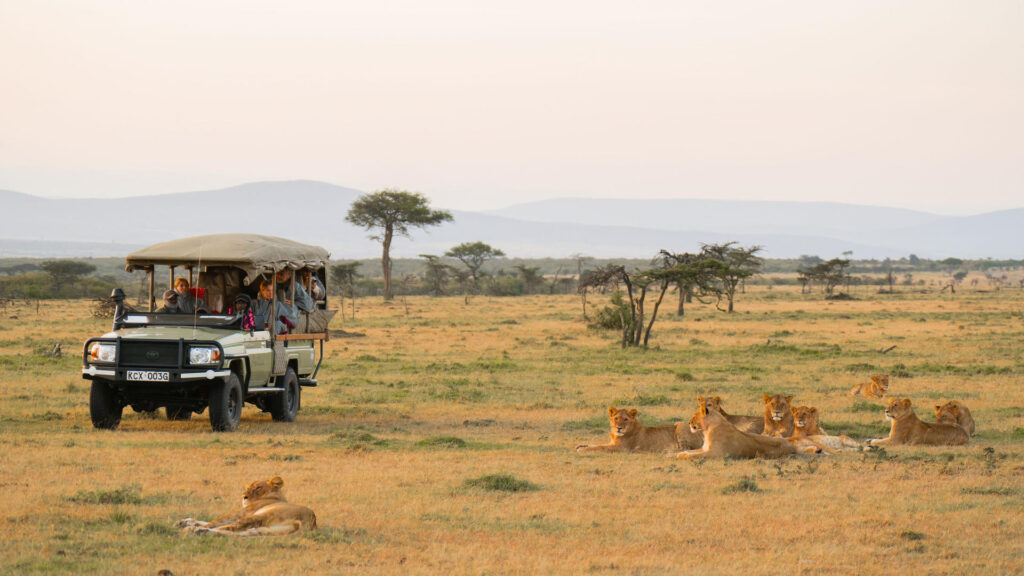
This is the question almost everyone asks after seeing their first game-drive video. If a lion is powerful enough to hunt buffalo, why would it ignore a vehicle full of people? The answer lies in animal behavior. Wildlife often interprets a safari vehicle as a single large object rather than a group of separate humans. As long as the people inside remain seated, calm and predictable, the vehicle does not behave like prey and usually does not present as a threat either. It is simply another object in the landscape. That can change if people suddenly stand, wave arms, shout, jump out, or behave erratically. Sudden shifts in shape, movement, and sound can alter how an animal interprets the situation. This is why guides are strict about remaining seated and staying calm. There is another reason as well. In many established safari regions such as Serengeti National Park, Masai Mara National Reserve, and Kruger National Park, wildlife has seen vehicles for years. Animals learn patterns. They understand that safari vehicles usually pass without interfering. That does not make the animals tame. It means they are familiar with a routine. A lion beside your jeep is still a lion. The difference is that experienced guides know how to behave around it.






![Some journeys are even more special when shared.
Imagine waking up to the sounds of the African bush, exploring Kenya’s remote conservancies together, enjoying private picnics and spending nights beneath endless African skies.
From The Emakoko and Lewa House to Ol Malo Lodge and Sarara Treehouses, this romantic Kenya safari brings together four extraordinary stays, each offering a different side of the wilderness.
2027 Long Stay Savings: Enjoy 10% OFF on stays of 5+ nights. Select dates apply.
Whether you're planning a honeymoon, anniversary or simply an unforgettable escape for two, we'll help you create a safari that feels entirely your own.
📩 DM us to start planning your romantic Kenya safari.
[Kenya Honeymoon Safari, Luxury Kenya Safari, Romantic Safari, Kenya Safari for Couples, Lewa Conservancy, Laikipia, Sarara Treehouses, Bespoke African Safari]](https://travelafricamore.com/core/modules/313e568472/img/placeholder.png)