Nyerere National Park, Tanzania Eight tents on a peninsula in Lake Nzerakera Africa’s largest protected ecosystem, where boat safaris, wild dog and the Rufiji River define a safari entirely unlike anything in northern Tanzania.
Roho ya Selous means “heart of the Selous” – and lives up to its name. Set on a peninsula surrounded by water on three sides, the camp welcomes frequent visits from hippos and elephants. Its real appeal lies in experiences beyond the traditional game drive: boat safaris on the Rufiji River, guided wilderness walks, and opportunities to spot African wild dogs — all without the crowds of the Serengeti.
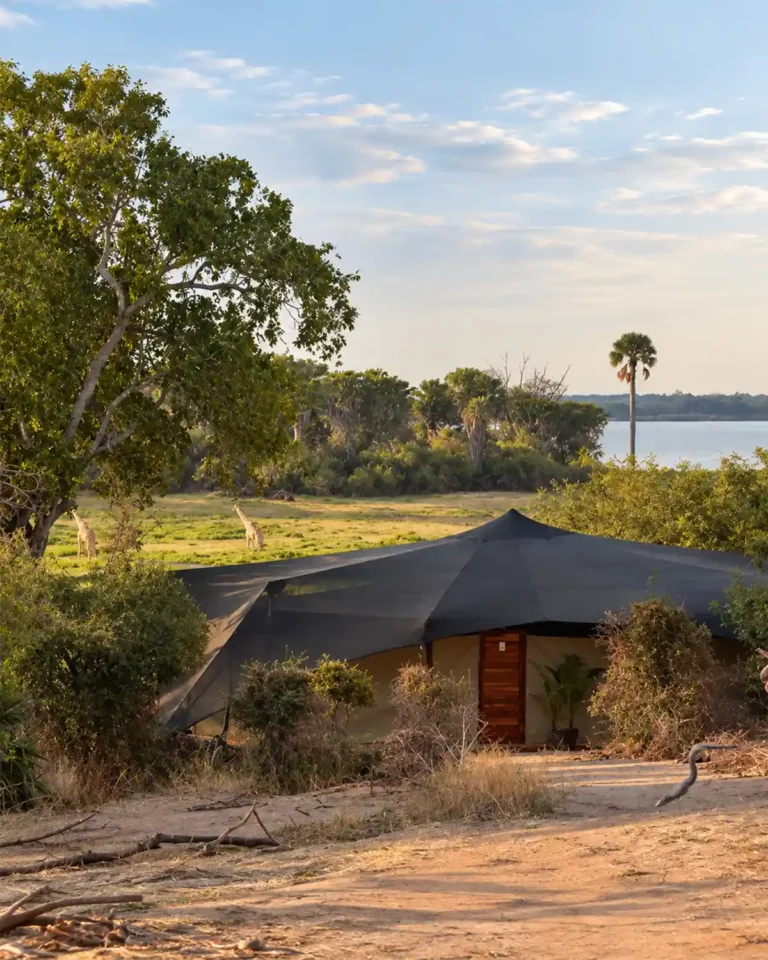
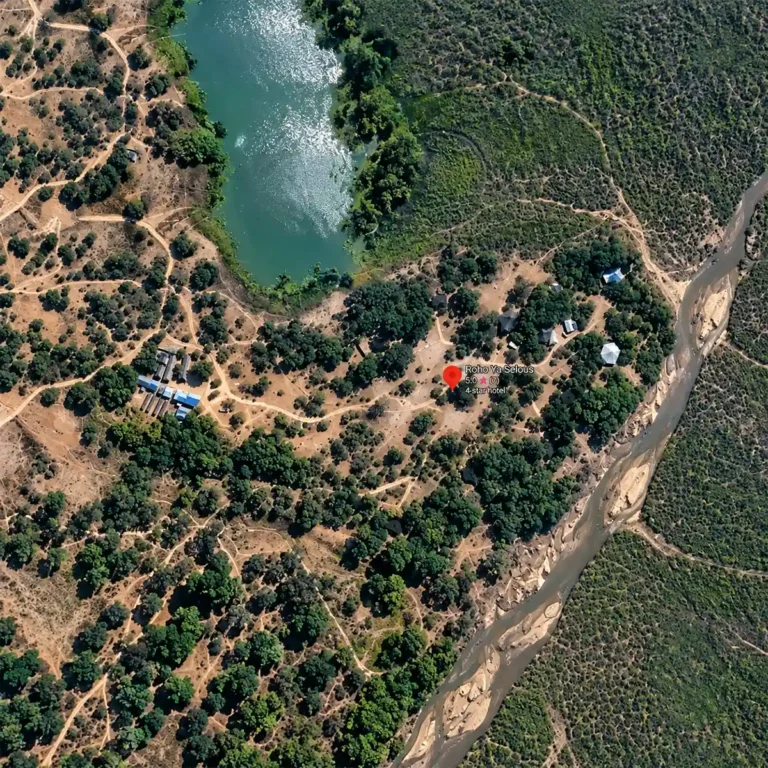
Peninsula setting on Lake Nzerakera water on three sides
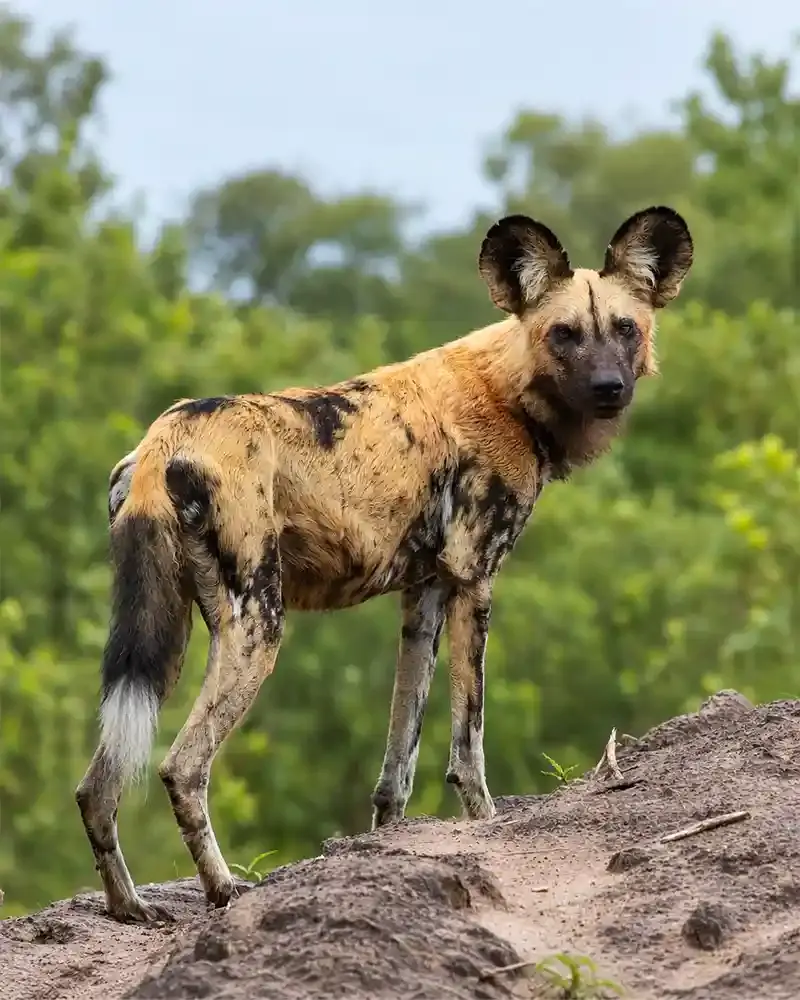
One of Africa's largest wild dog populations in Nyerere National Park
Boat safaris on the Rufiji River system unique to southern Tanzania
Private vehicle per tent included
Far fewer visitors than northern Tanzania's parks
Camp Experience
A First Night That Doesn't Feel Like a Layover
The Camp
Canvas, Lake Views and a Cooling Pool
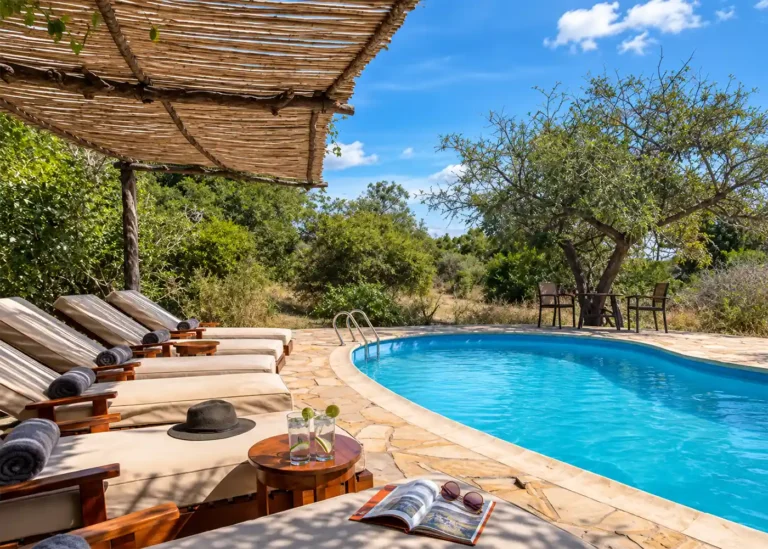
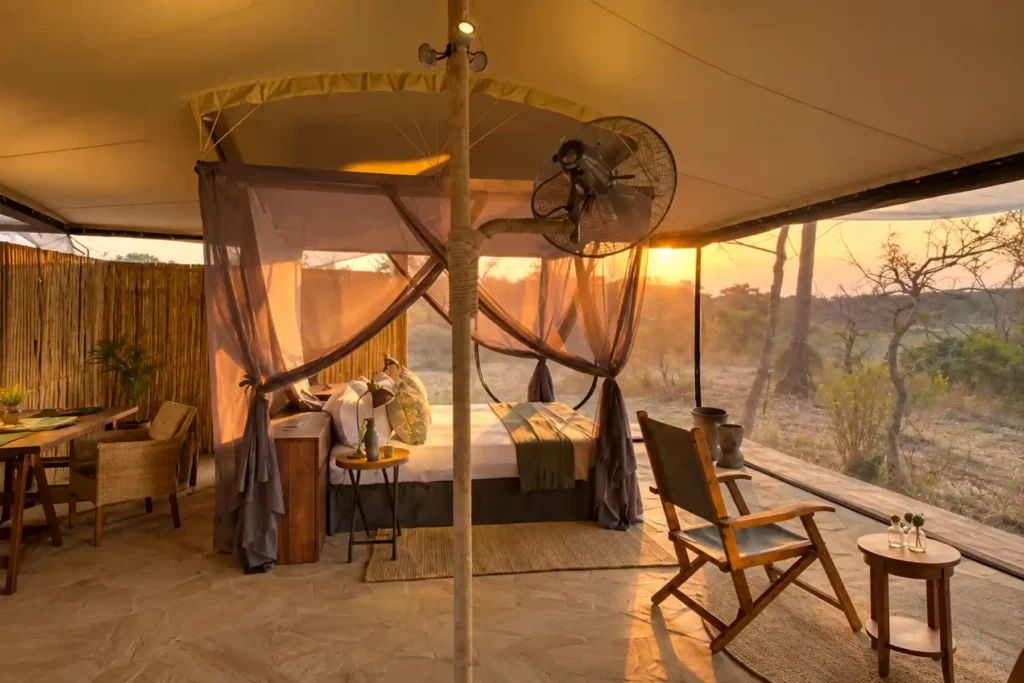
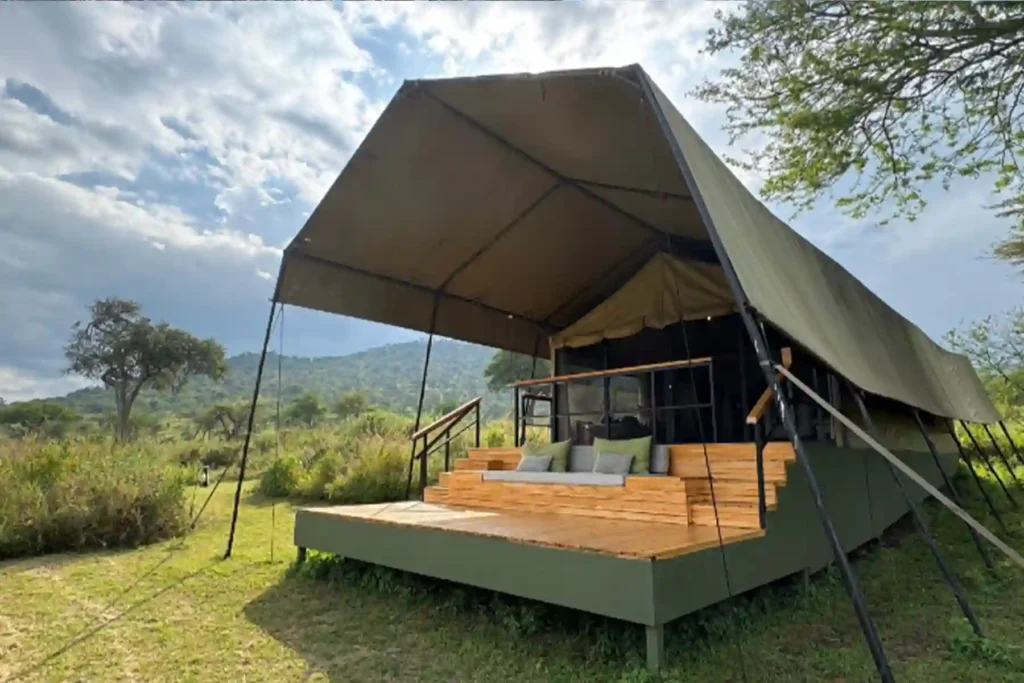
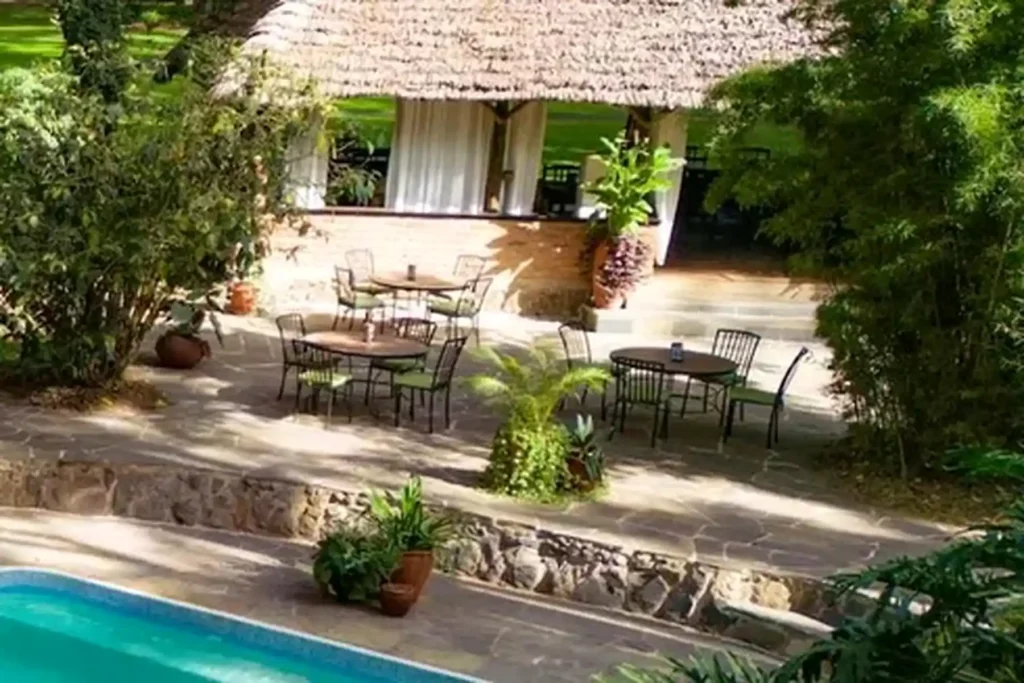
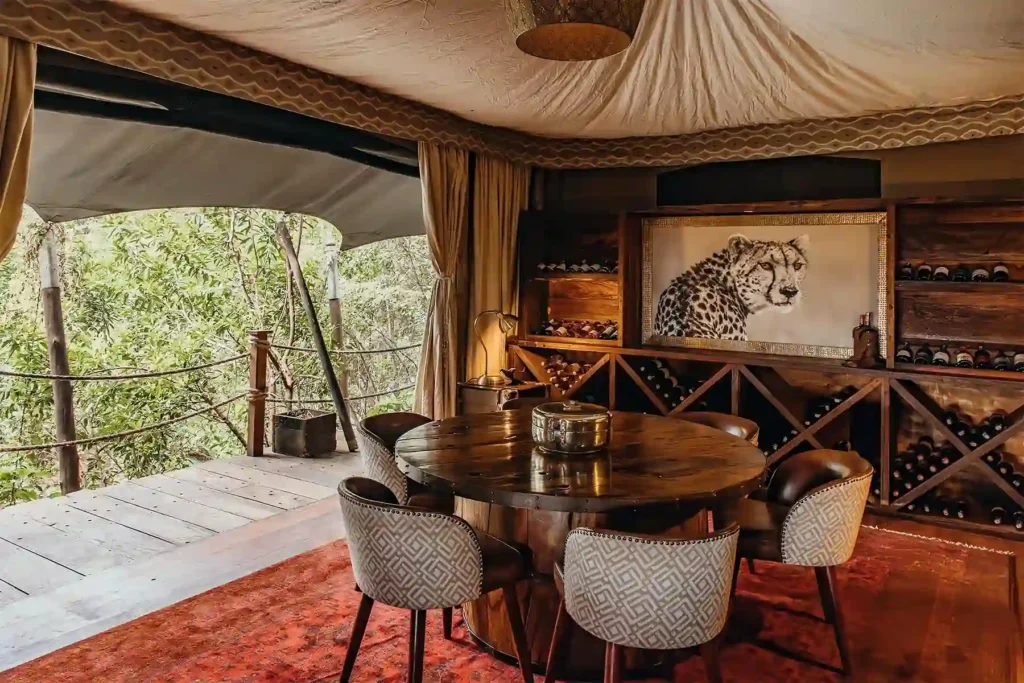
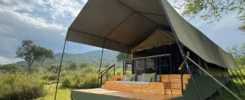
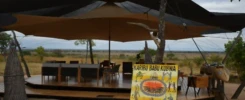
Eight spacious tents sit nestled among trees on the lake peninsula, spaced well apart for privacy. Each 60 square-meter tent has indoor and outdoor showers, a cooling system above the bed and a private veranda facing the water hippos visible without leaving your chair. The open lounge and dining area face directly over the lake, with a swimming pool below providing relief from the southern Tanzania heat. The overall feel is unfussy and purposeful a camp built around what happens outside it.
The Setting
Africa's Largest Protected Ecosystem
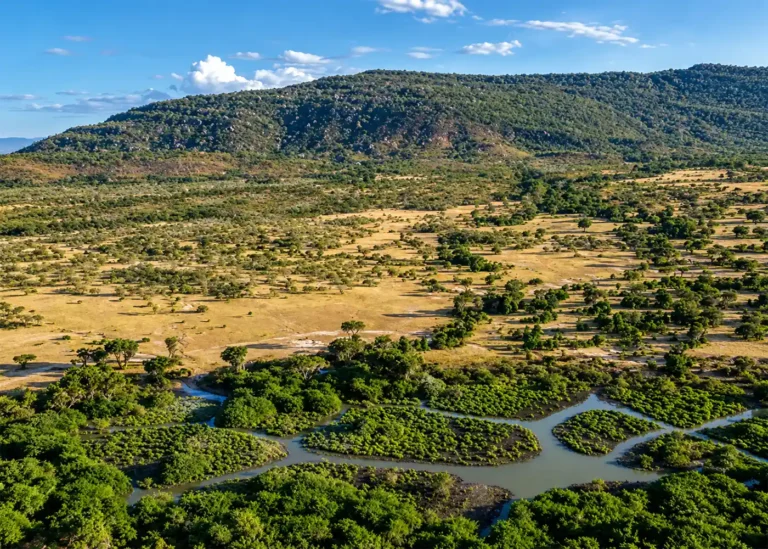
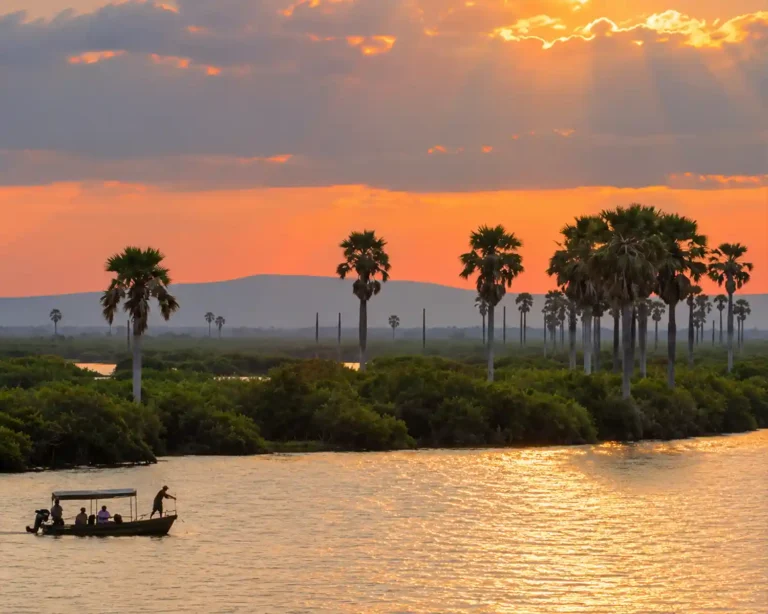
Nyerere National Park formerly the Selous Game Reserve covers over 30,000 square kilometres in southeastern Tanzania, part of a broader ecosystem that is a UNESCO World Heritage Site. The northern photographic section, where Roho ya Selous sits, is defined by the Rufiji River and its network of lakes, channels and palm fringed tributaries. The landscape is tropical and water-dominated — utterly different in character from the open grassland of the Serengeti and Maasai Mara. Roho sits in the park’s core game viewing area, within reach of both Lake Manze and Lake Nzerakera on a single afternoon boat.
Firsthand
Our Firsthand Experience
Firsthand
Our Firsthand Experience
We arrived from Dunia Camp via Arusha and Dar es Salaam – a multi-leg journey that felt worthwhile the moment the boat pushed off from the jetty for the first time. The Rufiji River system gliding past pods of hippos, crocodiles on sandbanks and bird species we hadn’t seen all trip made the transfer from north to south feel like entering an entirely different Africa.
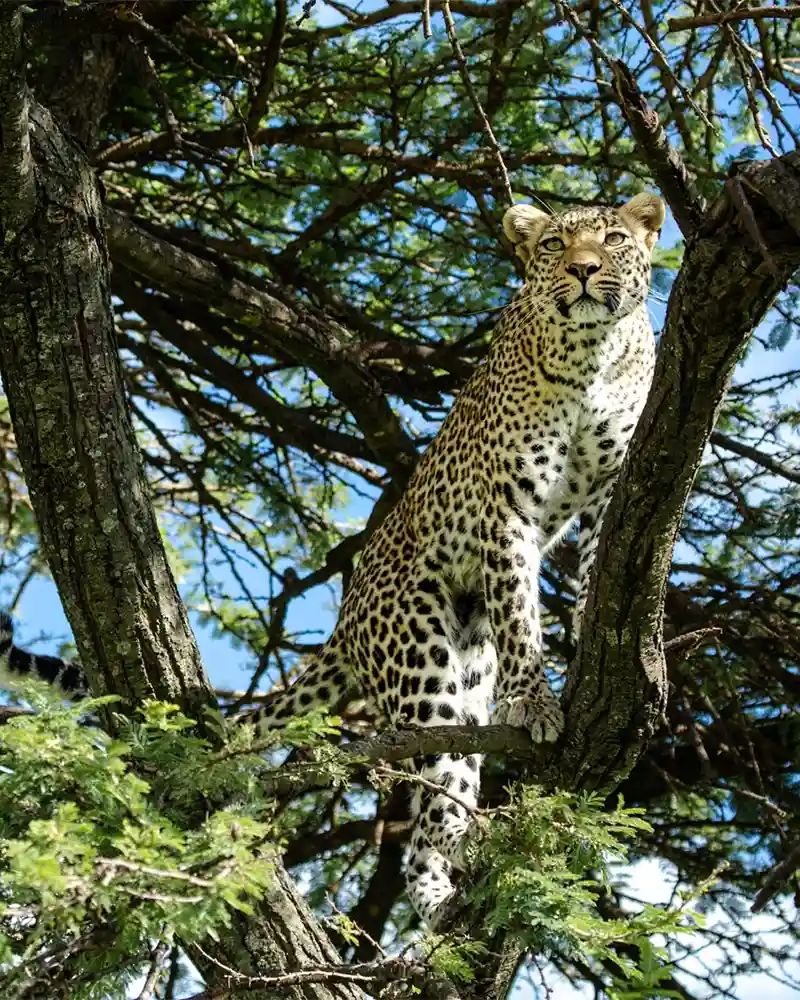
The game drives produced a memorable leopard resting in a tree on our final afternoon a beautiful way to close the safari. Two lionesses and two cubs at a breakfast stop were unhurried and close. The boat safari between Lake Manze and Lake Nzerakera was the single activity we’d recommend above everything else.
Seven tented suites and one family tent all on the lake peninsula, each with a private veranda, en-suite bathroom and lake views through the trees.
Tented Suite
Sixty square metres of canvas and wood, with indoor and outdoor showers, an overhead cooling system and a private veranda facing the water. King or twin on request. Hippos audible.
60 sqm · Private veranda · Indoor & outdoor shower · Cooling system · Lake views
Family Tent
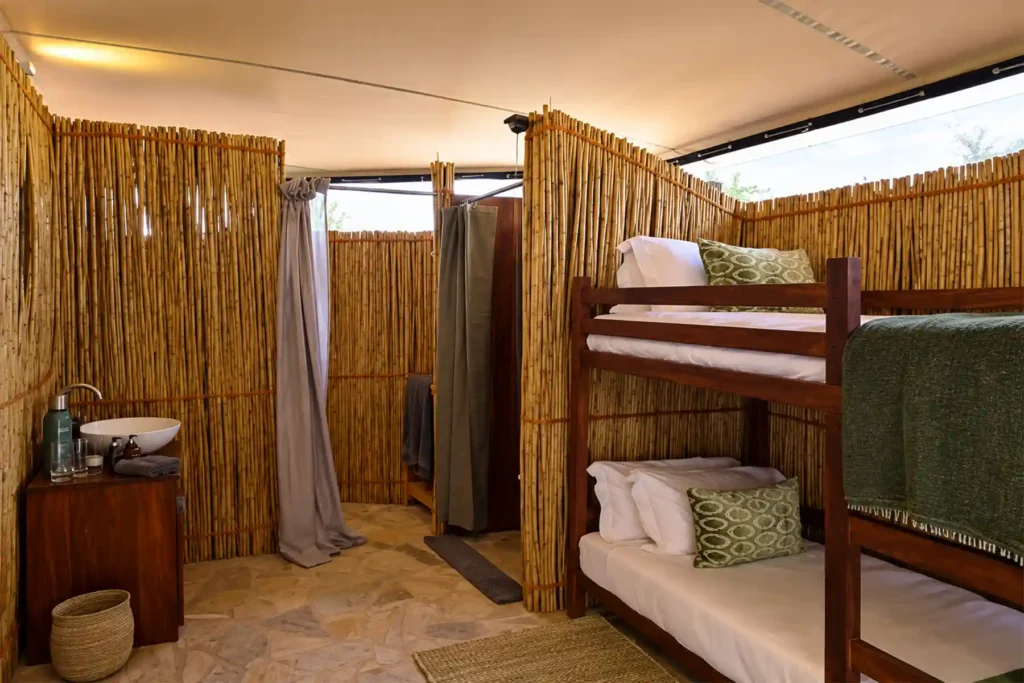
Two bedrooms a master with king bed and a children’s room with bunk beds plus a single, sleeping up to three children. Both have en-suite bathrooms and the same lake views and private veranda as the standard tents.
Two bedrooms · Sleeps 2 adults & 3 children · En-suite both rooms · Private veranda
The Private House
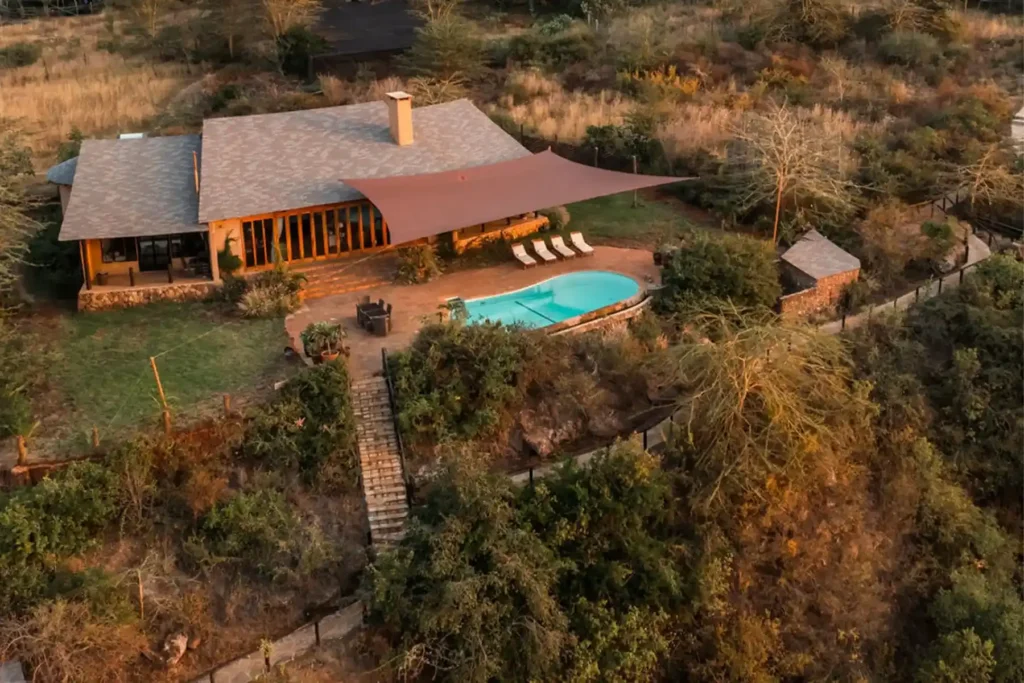
A two-bedroom house on the clifftop with its own plunge pool, private helicopter pad, and a dedicated chef who can cook in-house or send meals from the main lodge. Built for total privacy.
Two ensuite bedrooms · private pool · helicopter pad
Safari Experiences
What You Can Actually Do Here
The combination of game drives, boat safaris and walking safaris gives Roho ya Selous the most varied daily activity programme of any Asilia camp and the one most unlike anything available in northern Tanzania.
Game Drives
Boat Safari
Walking Safari
Fishing
Sundowner Cruise
Cultural Village Visits
Game Drives
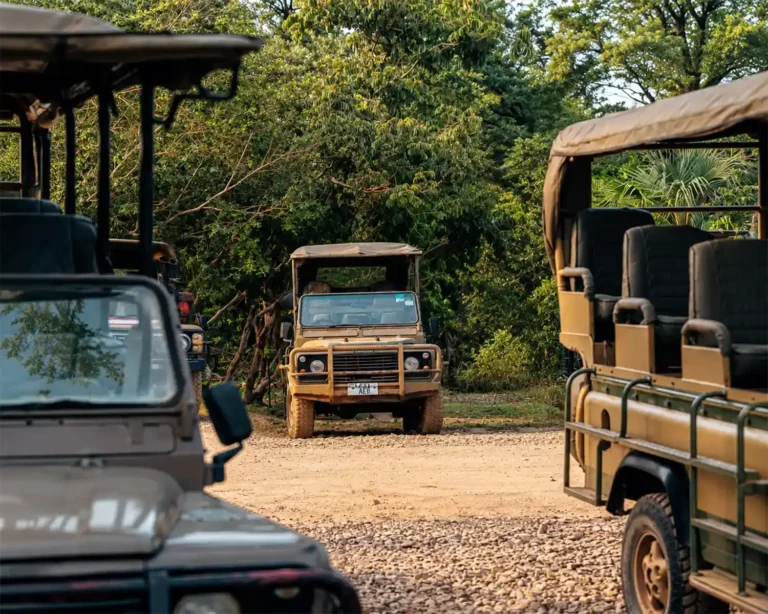
Morning drives in open 4×4 vehicles through Nyerere’s core game viewing area. A private vehicle per tent is included in the rate structuring the day around your group rather than a shared schedule.
Boat Safari
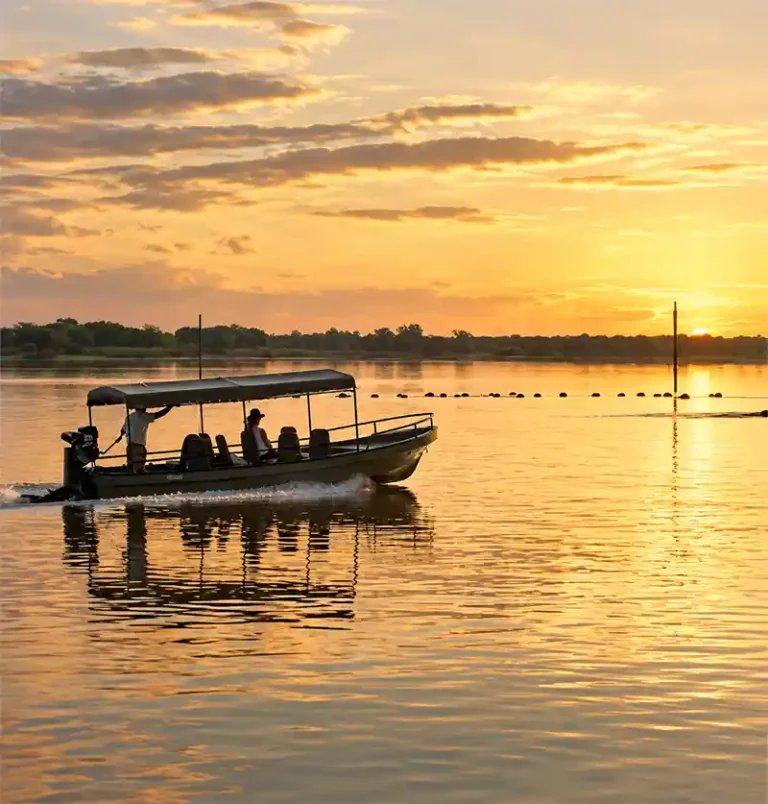
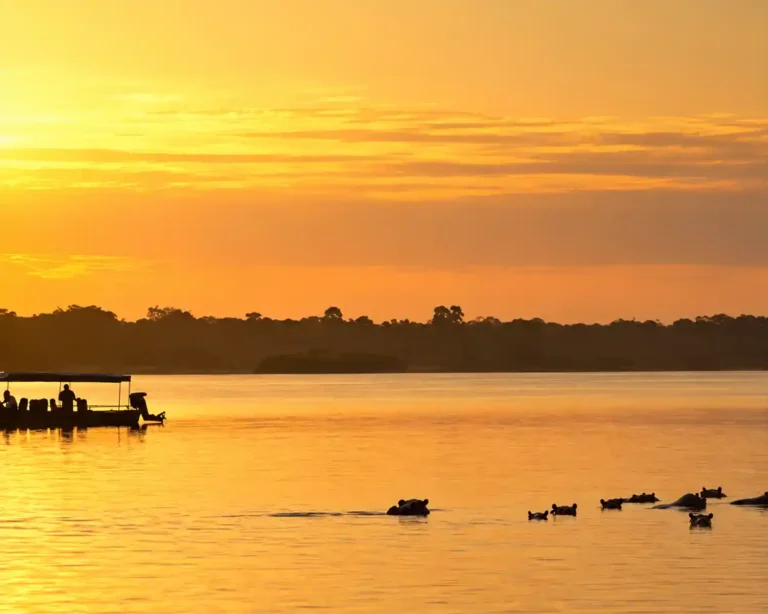
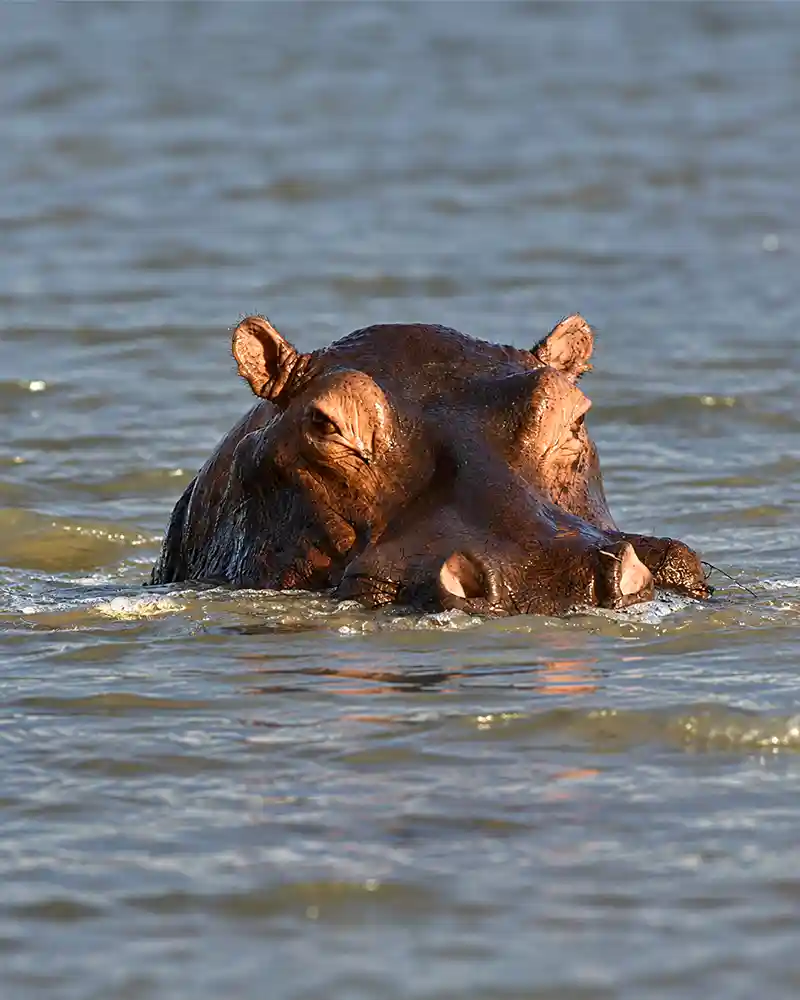
An afternoon glide along the Rufiji River system between Lake Manze and Lake Nzerakera. Hippos at close range, crocodiles on every sandbank, African fish eagle overhead and the rare Pel’s fishing owl in the riverine forest. The activity that most clearly separates Nyerere from every other Tanzanian park
Walking Safari
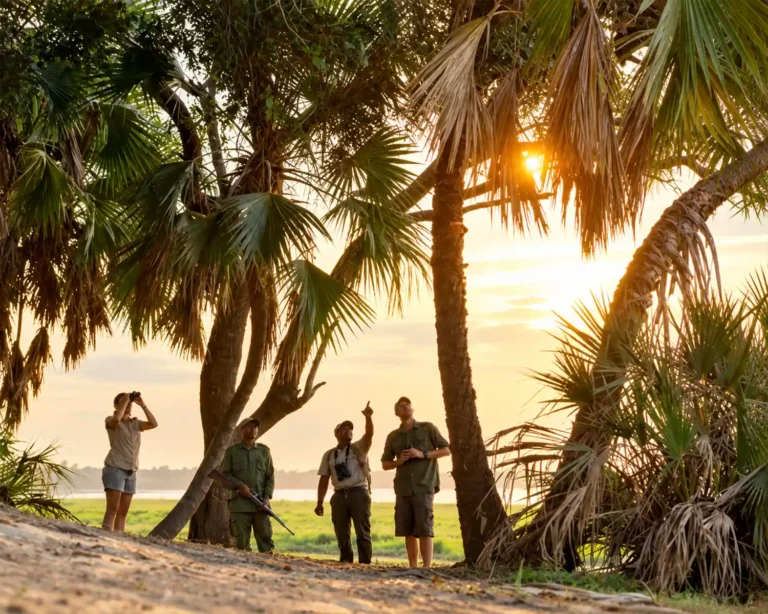
Guided walks with an Asilia guide and a national park ranger through the bush surrounding camp. Available June to mid January — outside that window the grass is too high for effective walking. Minimum age 16 years.
Fishing
Catch and release fishing for catfish and tigerfish on the river and lake system, arranged through the camp at additional cost. A slower, quieter way to spend a morning on the water.
Sundowner Cruise
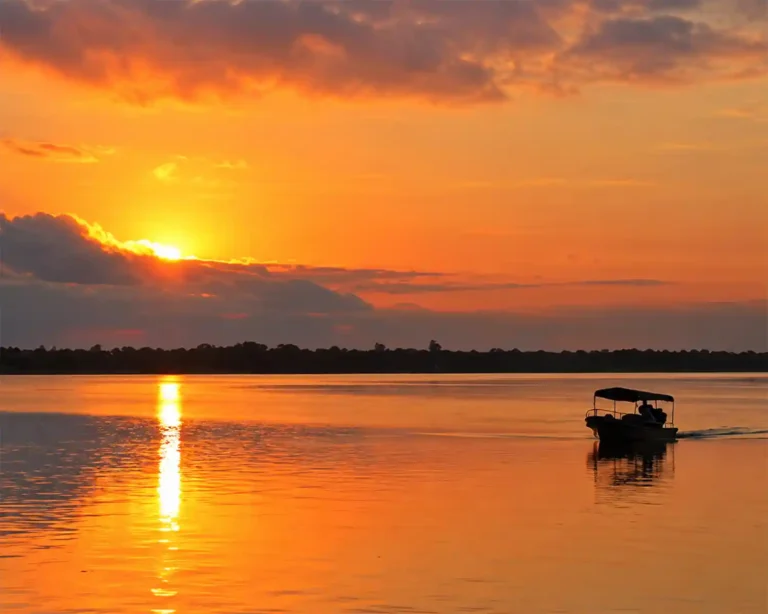
An evening boat on the lake as the light drops over the Rufiji hippos surface, crocodiles settle and the sky turns over the water. One of the stronger sundowner experiences in southern Tanzania.
Cultural Village Visits
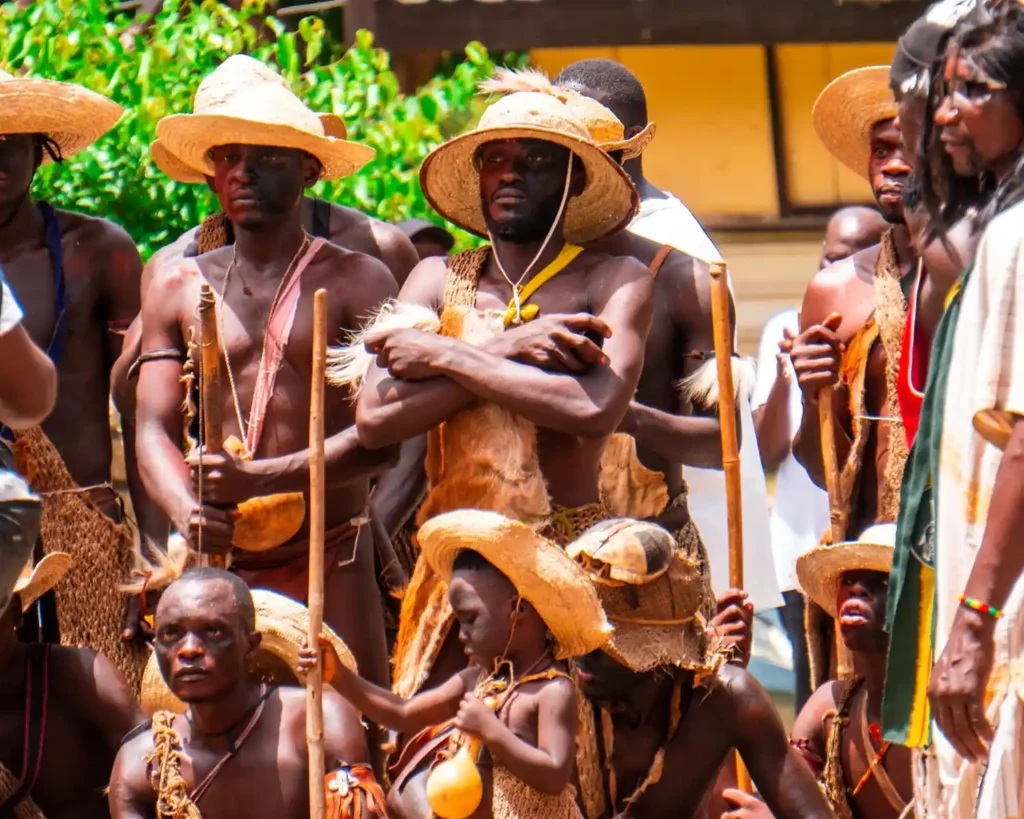
Guided excursions to communities neighbouring the park, connected to Asilia’s conservation and community investment programme. Arranged through the camp.
Wildlife
Wildlife You May Encounter
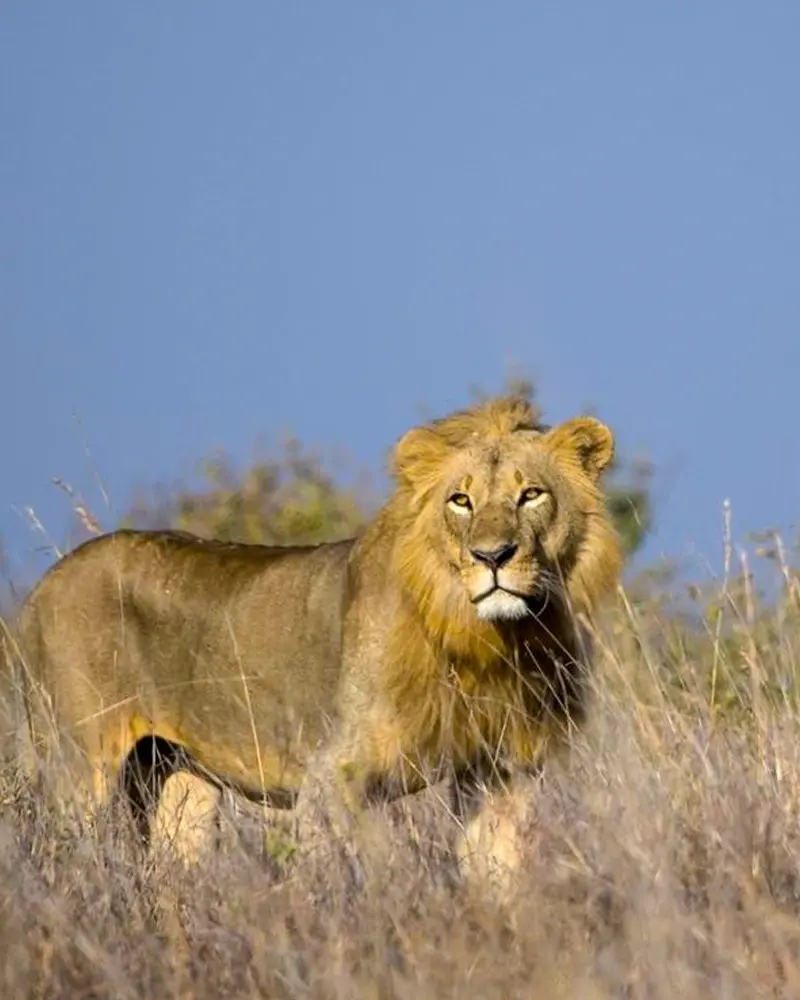
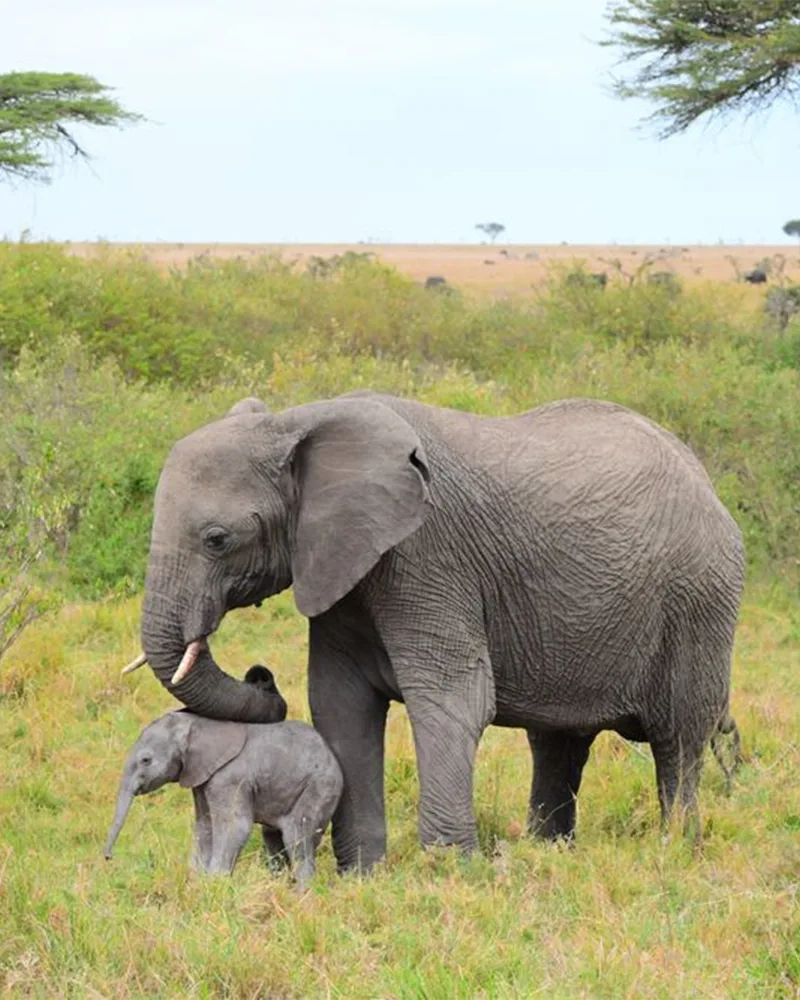
Nyerere’s water dominated ecosystem produces a species list and a set of sightings that the northern parks simply cannot replicate.
Lion
Elephant
Leopard
wild dog
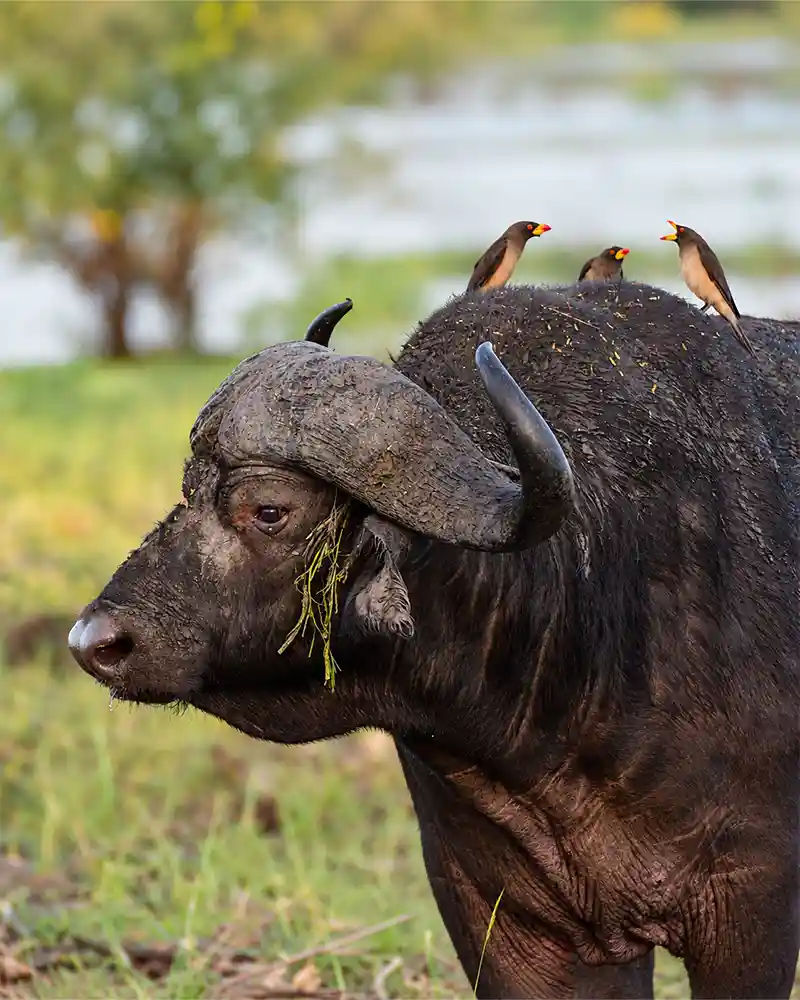
Buffalo
Hippo
Conservation
More Than a Safari
Nyerere National Park is part of a UNESCO World Heritage Site ecosystem covering over 50,000 square kilometres. Asilia’s conservation charge, collected per guest per night, funds ongoing community and conservation programmes across all Asilia properties. Roho ya Selous supports in house training schemes for local staff, building careers in tourism for community members from the surrounding area. Park and concession fees paid at Roho ya Selous contribute directly to Tanzania National Parks’ wildlife management and anti poaching operations within Nyerere.
Getting There
Location & Access
Getting There
Location & Access
Nearest airstrip
Mtemere or Beho Beho Airstrip
From Dar es Salaam
Approx. 1 hour by light aircraft
From Arusha
Via Dar es Salaam connection — approx. 2–3 hours total
Transfer to camp
Short road transfer included in rate
Access
Open June – end of March · Closed April – May
Best Time to Visit
Seasons at Roho Ya Selous
June – October
Dry season. Vegetation thins, wildlife concentrates at water sources and game viewing is at its most rewarding. The best walking conditions and the clearest boat safari sightings.
November – March
Green season. Lush landscape, lower rates and strong resident game. Boat safaris remain excellent year-round. Off roading is limited as vegetation builds; sightings improve with patience and a good guide.
April – May
Camp closed during the long rains.
Our Recommendation
July to October for the clearest game viewing and best walking conditions. November to March for lower rates and the tropical landscape at its most dramatic.
Rates
Indicative 2027 Rates
Starting From USD 950 ( PPPN )
Inclusive of full board accommodation, house drinks, private vehicle and guide, shared boat safari, shared walking safari, shared fishing, laundry and airstrip transfers.
Excludes park fees, concession fees, Asilia conservation charge and champagne.
The boat safari on the Rufiji River is a standout experience at Roho ya Selous, offering a completely different perspective on wildlife from traditional game drives. A private vehicle per tent adds flexibility to each day, while Nyerere’s significant African wild dog population makes it particularly appealing to experienced safari travellers.
What To Know
Off-road driving is not permitted inside the national park sightings improve as the dry season progresses and vegetation thins. Night drives are no longer permitted following the 2019 regazettement to national park status. The climate is hotter and more humid than northern Tanzania; the camp’s cooling systems and pool make it comfortable.
Who We'd Send Here
Ideal for seasoned safari travellers seeking something beyond the Serengeti, particularly those hoping to encounter African wild dogs. Equally suited to couples and families who appreciate the variety of game drives, boat safaris and guided walks.
How Long We'd Stay
Three nights. Two covers a game drive, a boat safari and a walk. Three gives each activity the time it deserves and allows the landscape to reveal itself properly.
Also Consider
Similar Camps
Dunia Camp
Central Serengeti, Tanzania
The natural northern pairing combine Roho ya Selous in the south with Dunia in the central Serengeti for the full Tanzania contrast.
The six things travellers ask us most about Roho Ya Selous.
1. Is Roho ya Selous suitable for families?
Yes the family tent sleeps two adults and up to three children. Children five years and older are welcome. Families of five or more travelling with children aged 5–12 receive a private vehicle at no additional charge.
2. How many nights should we stay?
Three. Two covers the essential activities. Three gives each game drive, boat safari and walking the time it deserves without rushing.
3. Are night drives available?
No — night drives are not permitted inside Nyerere National Park following its regazettement in 2019. A short sundowner drive after afternoon activities is possible in certain areas; confirm at booking.
4. What makes Nyerere different from the Serengeti?
Nyerere offers a different side of Tanzania, with its riverine landscapes, boat safaris and remote wilderness. Far less visited than the northern safari circuit, it appeals to seasoned safari goers looking to explore Tanzania’s lesser-travelled regions and experience wildlife away from the crowds.
5. When is the camp closed?
Mid-March to end of May during the long rains. The camp is open June through end of March.
6. How do we get there?
A light aircraft flight from Dar es Salaam (approximately one hour) takes you to Mtemere or Beho Beho Airstrip. From there, a short road transfer to camp is included in the rate.
Could This Be Your Africa?
Tell us what you’re looking for, and we’ll tell you honestly whether Roho Ya Selous belongs in your journey.