Usangu Wetlands, Ruaha National Park, Tanzania Six tents in a 7,000 square kilometre wilderness with no other camp for 60 miles the first and only tourism operation in this part of Ruaha, where citizen science, sable antelope and sleeping under the stars define an entirely different kind of safari.
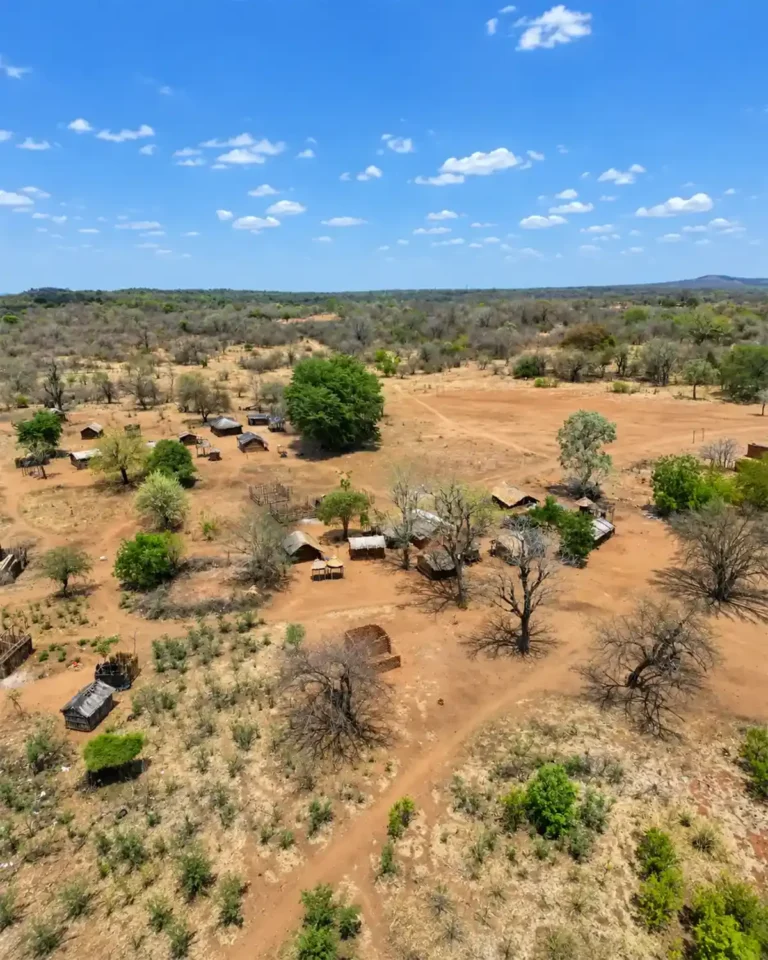
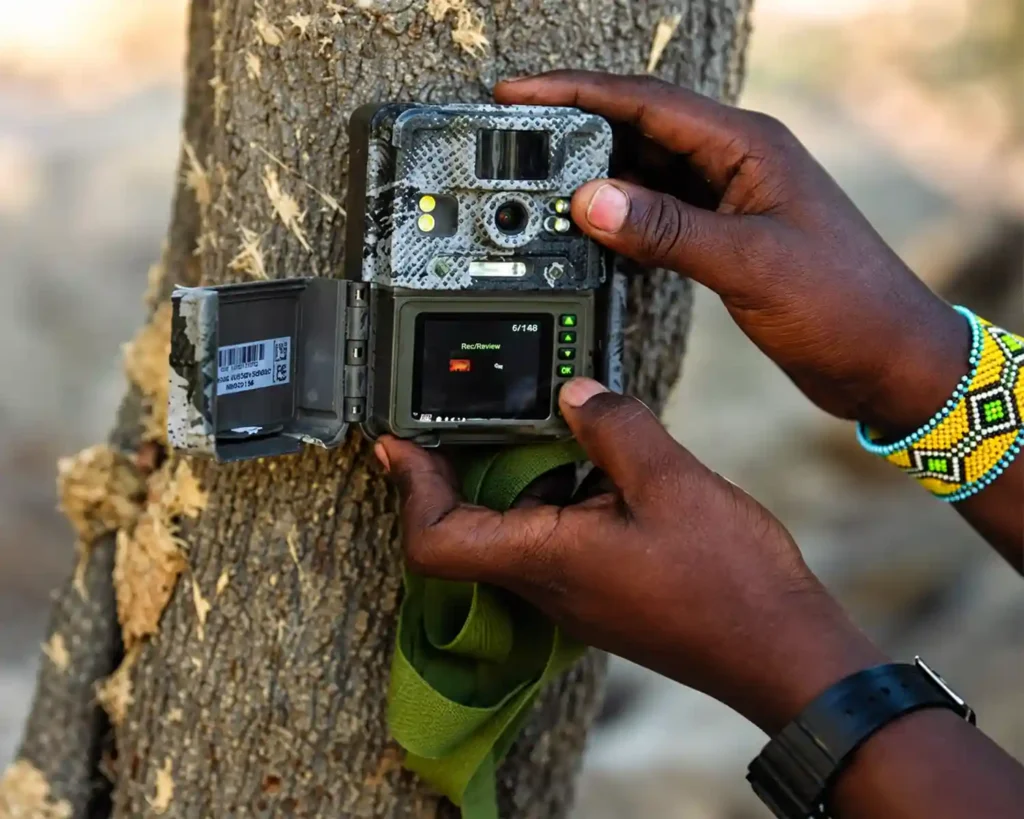
Most safari camps are in well mapped territory. Usangu is different. Opened in 2022, it is the first and still only camp in a 7,000 square kilometre stretch of pristine wetlands in the southern corner of Ruaha National Park. The area was reclaimed from poachers and free grazing cattle over two decades, and tourism here is active conservation, not just a visit. Guests set camera traps, join research teams, track collared sable and roan, and leave with a collection of footage from traps set during their stay.
Only camp in 7,000 sq km of southern Ruaha the most remote in the park
Opened 2022 first tourism operation ever in the Usangu Wetlands
Douglas Bell Eco Research Station directly beside camp
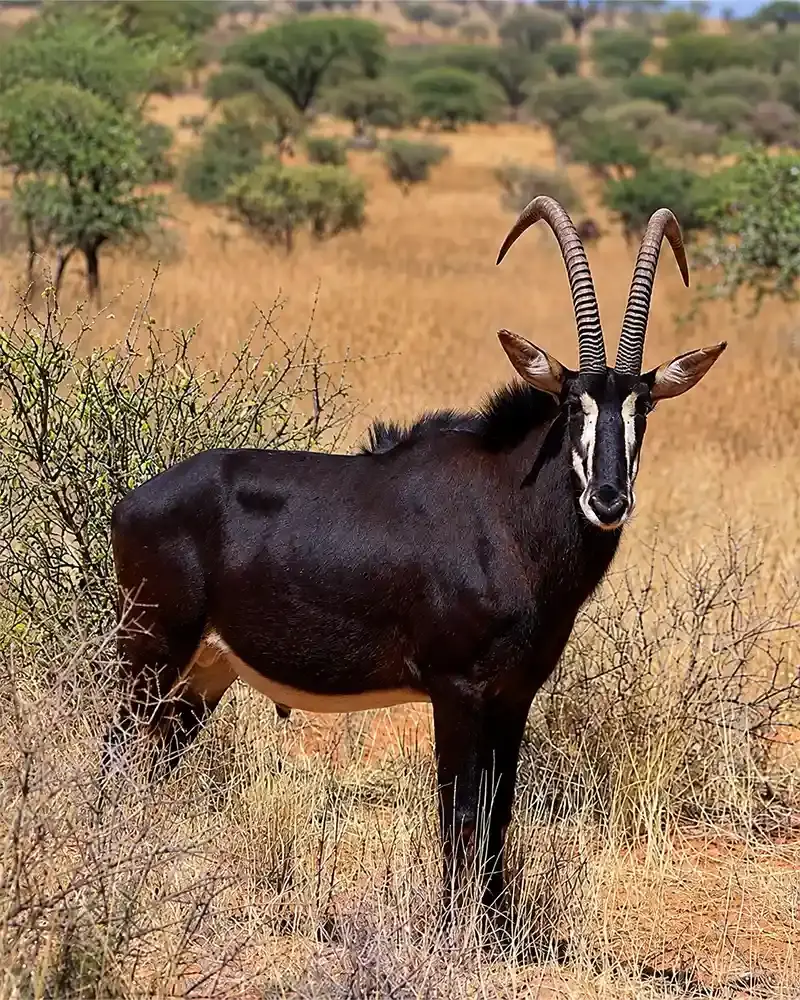
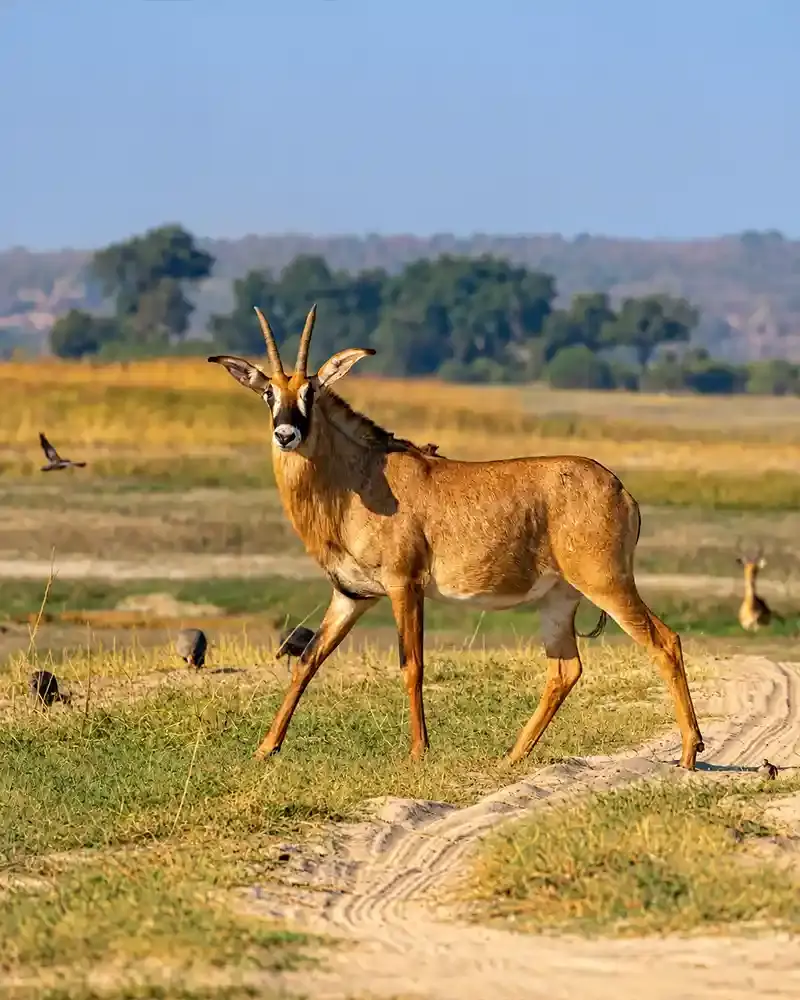
Sable and roan antelope rare species found consistently in this area
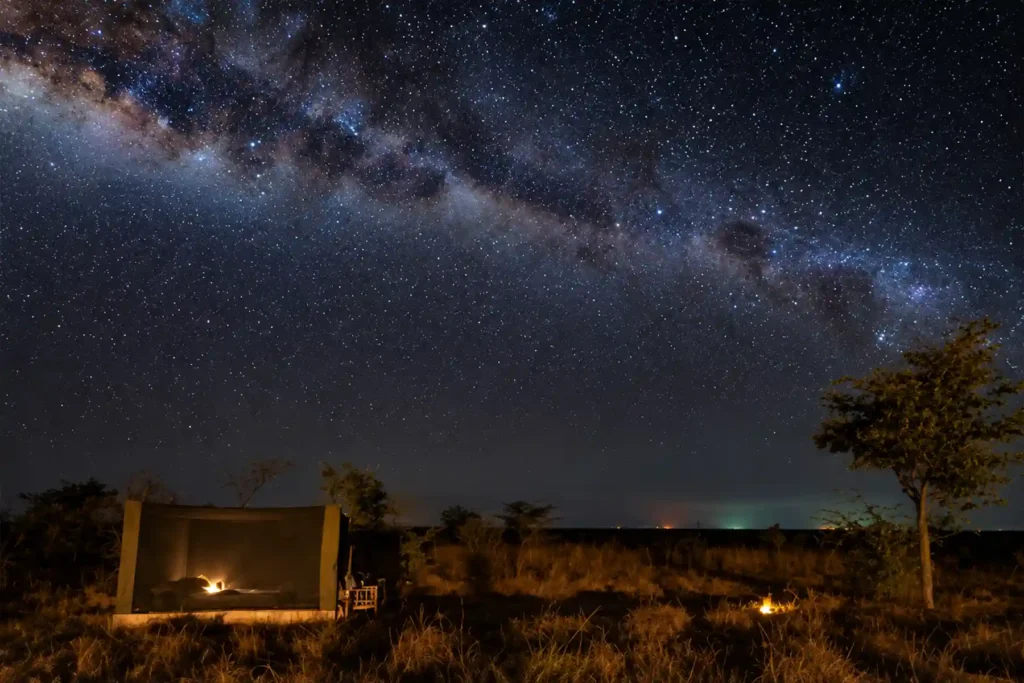
Star Cube sleep outs net shelters for sleeping under open sky
Citizen science programme guests actively participate in research
Camp Experience
A First Night That Doesn't Feel Like a Layover
The Camp
Miombo Woodland, Mesh Canvas and a Campfire Kitchen
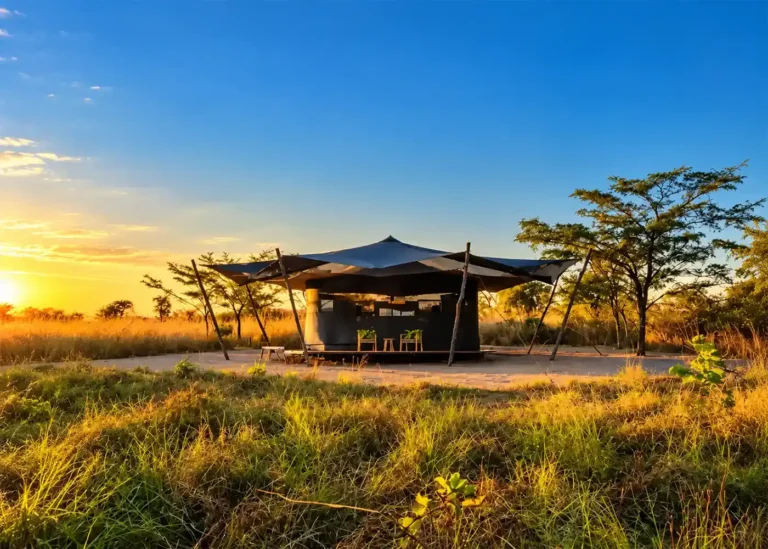
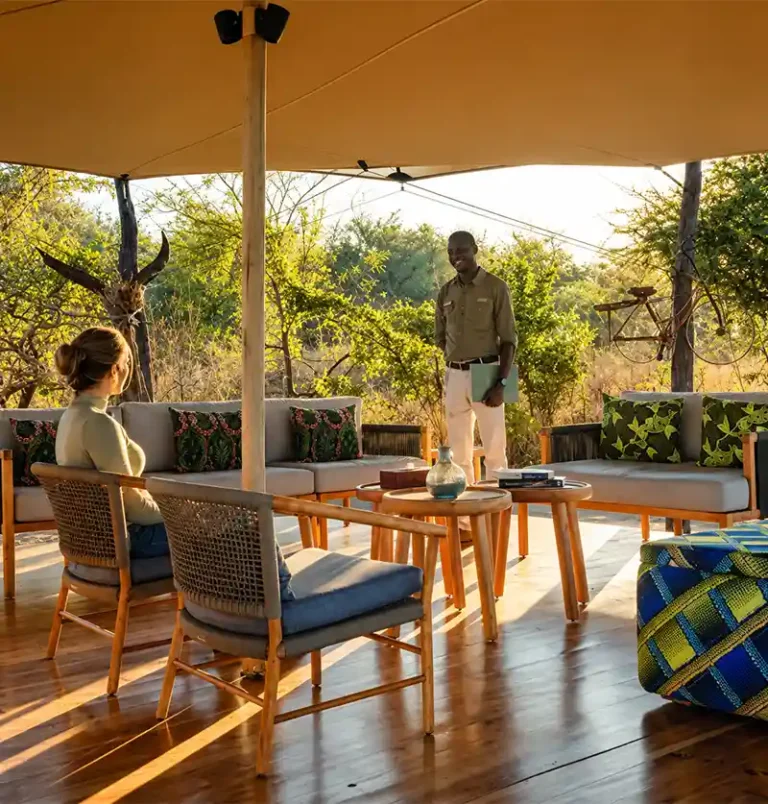
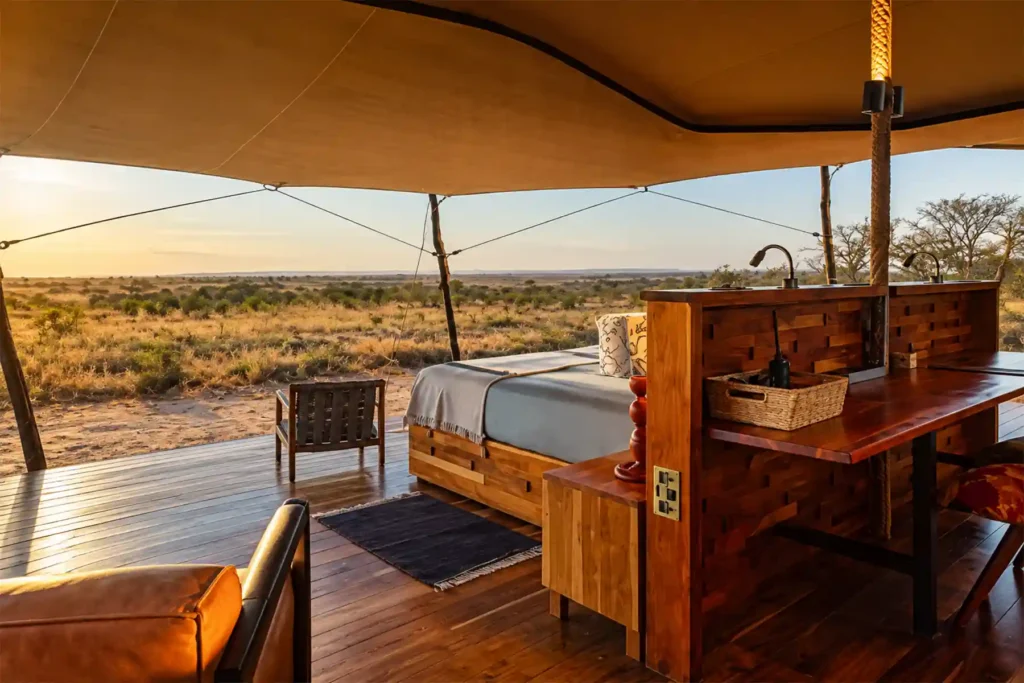
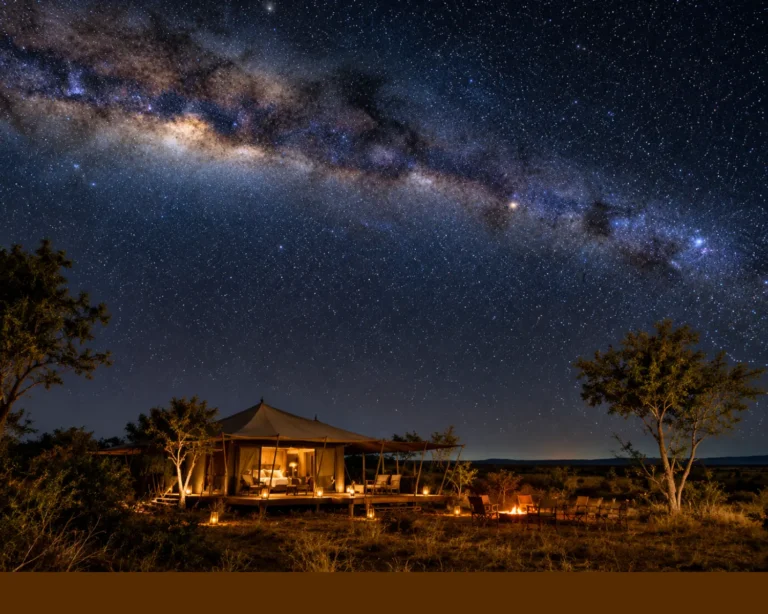
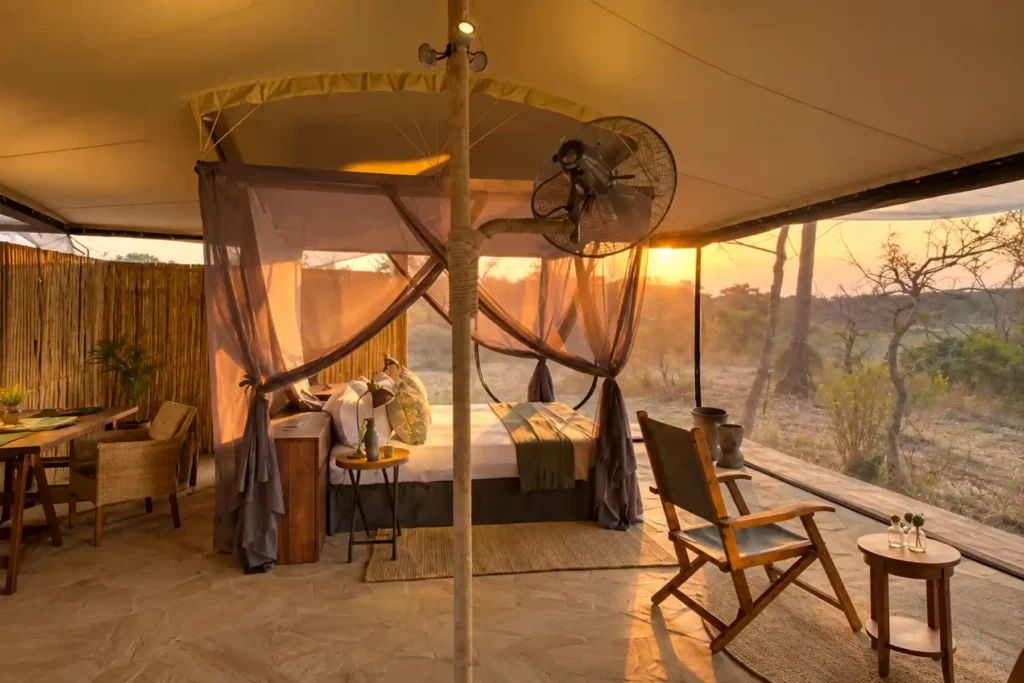
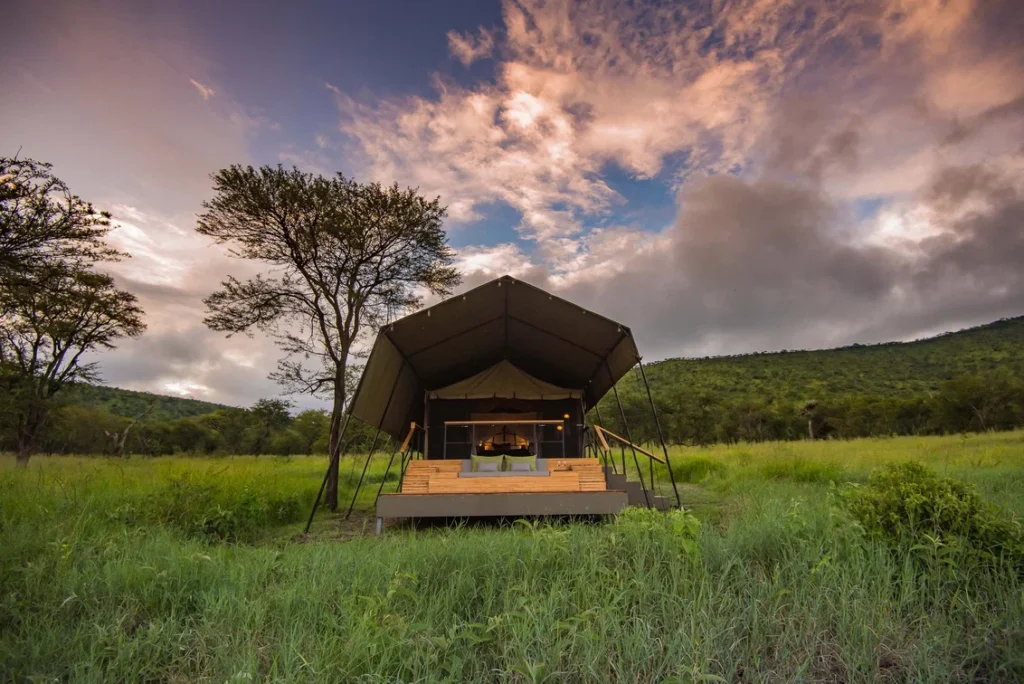
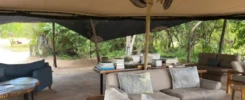
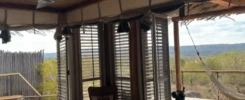
Six octagonal tents sit beneath miombo woodland on raised wooden decks as close to the wetland’s high water mark as the terrain allows. The front half of each tent is mesh fabric lie in bed and watch the floodplains while keeping an eye for whatever passes. A shaded veranda, en-suite bathroom with plumbed hot shower and a Star Cube sleep-out net tent complete each unit. Evenings end around a campfire with meals cooked over open flame, the sound of the wetlands carrying through the darkness.
The Setting
Where Ruaha Begins — The Usangu Wetlands
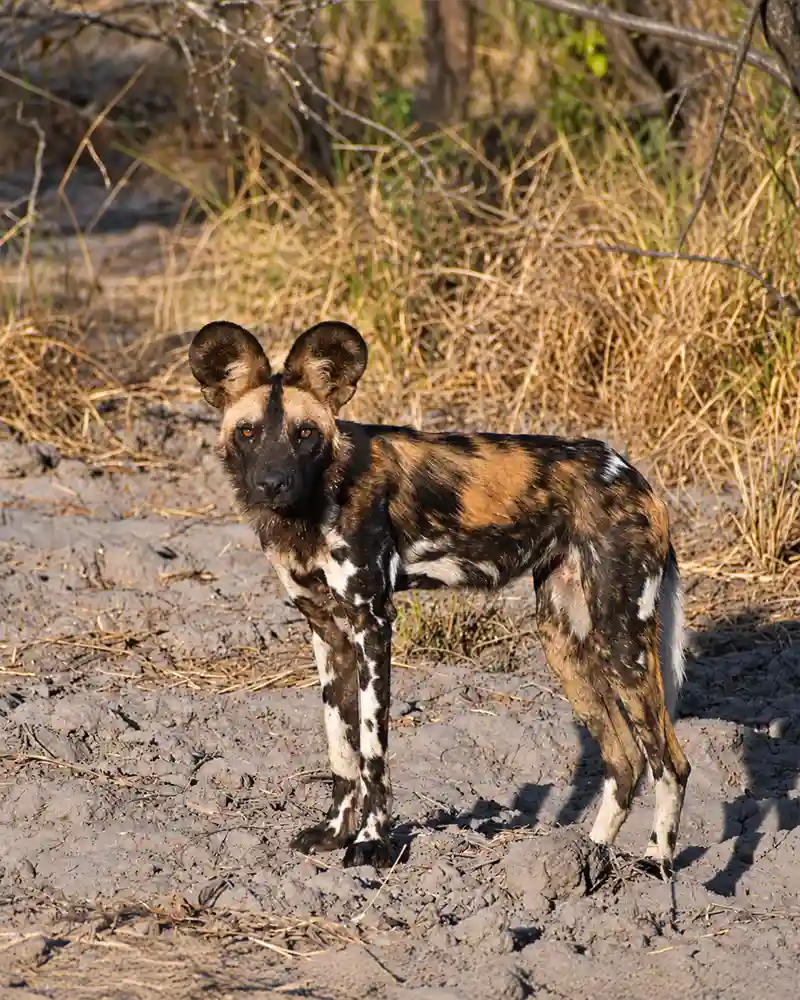
The Usangu Wetlands feed the Great Ruaha River, which feeds the Rufiji, which dominates Nyerere National Park to the south. The ecological importance of this system cannot be overstated and almost no tourist has ever seen it. The camp sits on the Ihefu Swamps in the southern corner of Ruaha National Park, flanked by open floodplains, miombo woodland and palm lined channels. Sable and roan graze the open plains. Ostriches congregate in numbers rarely seen elsewhere in Africa. And wild dogs hunt along the riverbanks.
Firsthand
Our Firsthand Experience
Firsthand
Our Firsthand Experience
We flew from Jongomero Airstrip into Ruaha – a one-hour flight that opened above the park’s sun-bleached plains before banking south toward the wetlands. Nothing quite prepares you for how different the Usangu feels from northern Tanzania. The vegetation, the light, the complete absence of other vehicles – it is as close to being somewhere genuinely new as we have felt anywhere in Africa.
The standout experience was the sleepout either beside the tent or at a scenic riverfront location two hours from camp. The Douglas Bell Research Centre visit made the conservation story concrete in a way that stayed with us long after the trip. Sable and roan sightings alongside big herds of antelope and buffalo rounded out a stay that felt as much like an expedition as a safari.
Six safari tents and Star Cube sleepout shelters all on raised decks facing the wetlands, each with a private veranda and en-suite bathroom.
Safari Tent
Octagonal canvas on a raised wooden deck, split by a stylish screen into sleeping and bathroom sections. Mesh front panel, private veranda with chairs and table, plumbed hot shower and flush toilet. King or twin configuration on request.
A simple net shelter positioned privately near your tent, offering an open sky sleep out with the wetlands sounds around you and sunrise over the floodplains in the morning. One of the most memorable experiences in the camp programme.
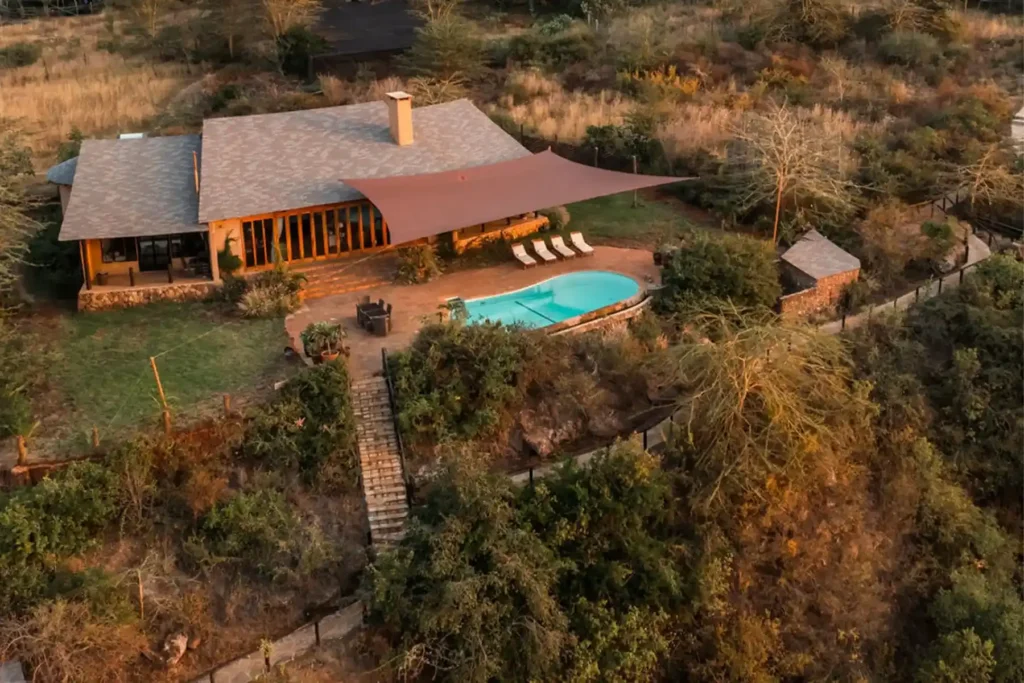
A two-bedroom house on the clifftop with its own plunge pool, private helicopter pad, and a dedicated chef who can cook in-house or send meals from the main lodge. Built for total privacy.
Two ensuite bedrooms · private pool · helicopter pad
Safari Experiences
What You Can Actually Do Here
Usangu’s programme goes further than game drives guests are active participants in the research and conservation of a wilderness that is still being properly explored.
Game Drives
Walking Safaris
Boating & Canoeing
Night Drives
Star Cube Sleep-Out
Citizen Science
Game Drives
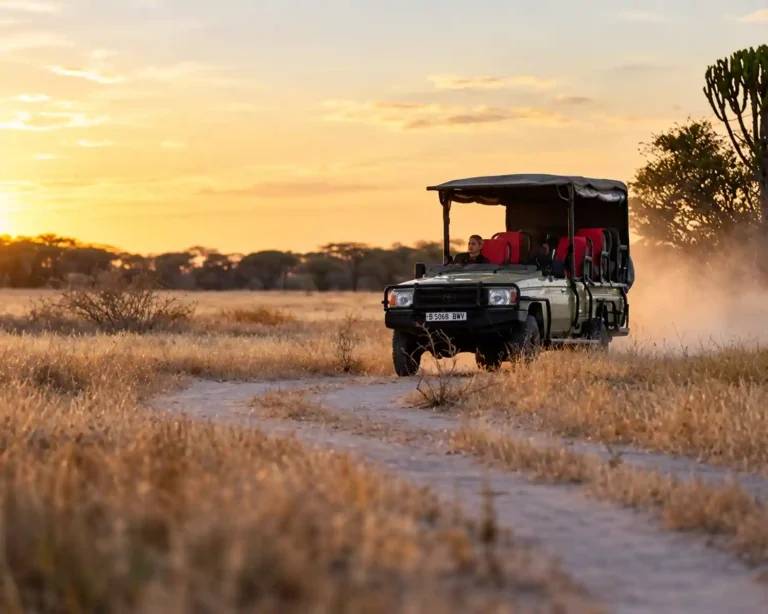
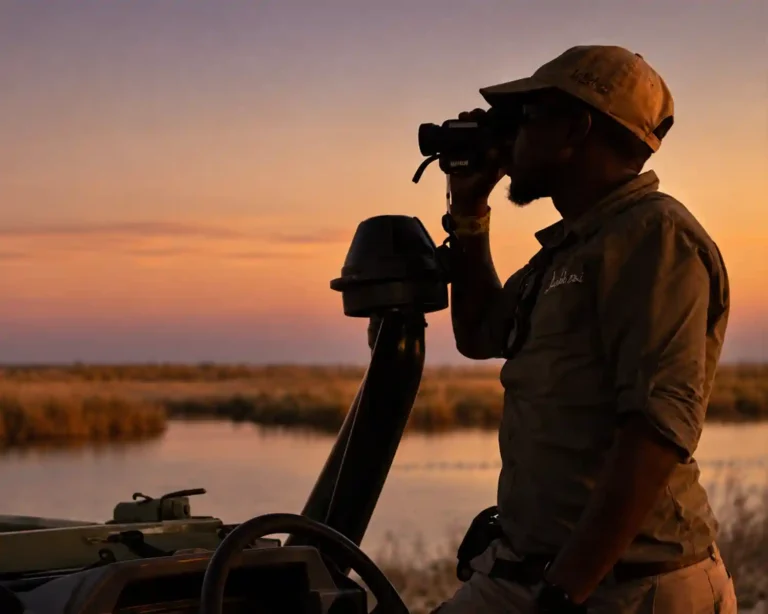
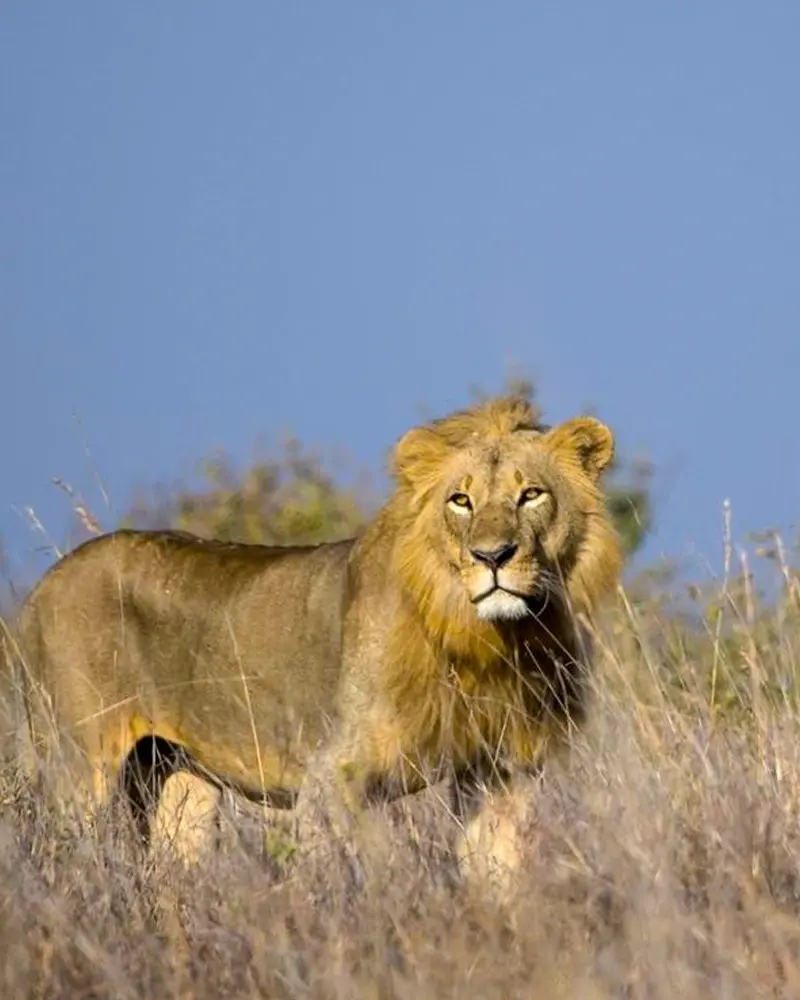
Morning drives through the Usangu Wetlands and open floodplains in search of sable, roan, lion, elephant, wild dog and ostrich. Private vehicle per group, no shared circuits, full flexibility each day.
Walking Safaris
Guided walks through the floodplains and miombo woodland with an armed ranger. The pace reveals the wetlands’ ecology in a way that a vehicle cannot tracks, birdlife and the smaller details of a landscape still largely undiscovered.
Boating & Canoeing
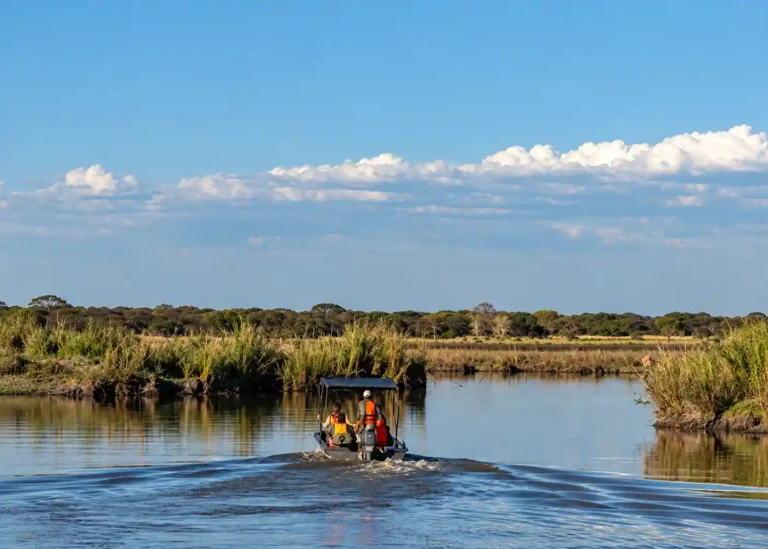
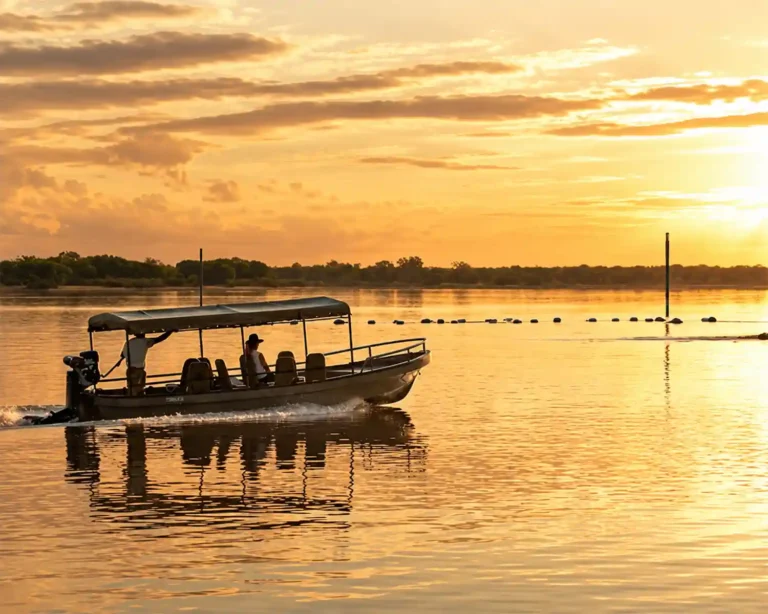
Boat and canoe trips on the wetland channels hippos, crocodiles, waterbirds and the unusual perspective of a landscape seen from the water rather than the vehicle.
Night Drives
Available in this part of the park leopard, hyena, aardvark and nocturnal species accessible after dark in a way that Nyerere’s national park rules no longer permit to the south.
Star Cube Sleep-Out
An overnight in the open-sky net shelter, either beside your tent or at a riverfront location two hours from camp. One of the more genuinely adventurous experiences we have recommended anywhere in southern Tanzania.
Citizen Science
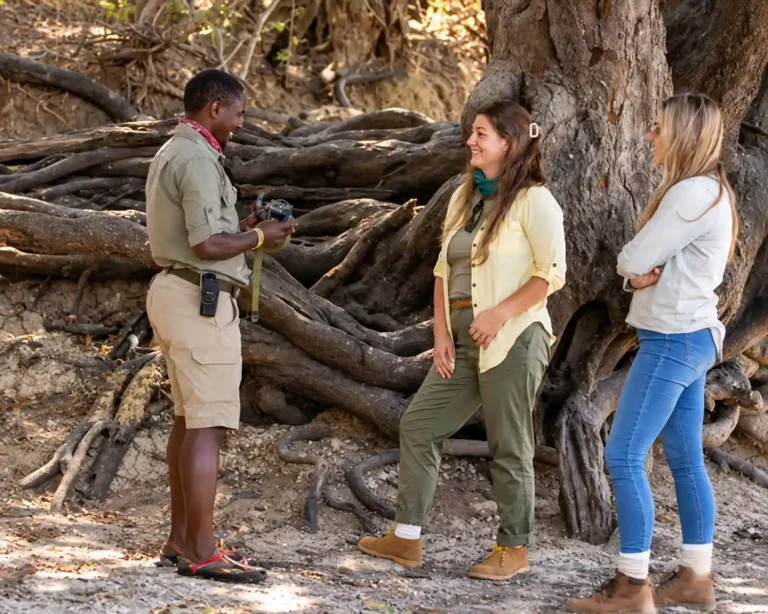
Depending on researchers present during your stay, guests can join active fieldwork setting camera traps, tracking collared sable and roan and contributing directly to the Tanzania Wildlife Research Institute’s ongoing programme.
Wildlife
Wildlife You May Encounter
The Usangu Wetlands’ combination of floodplains, miombo woodland and permanent water produces a species list anchored by rare antelope that most northern Tanzania itineraries never reach.
Lion
Sable Antelope
Wild Dog
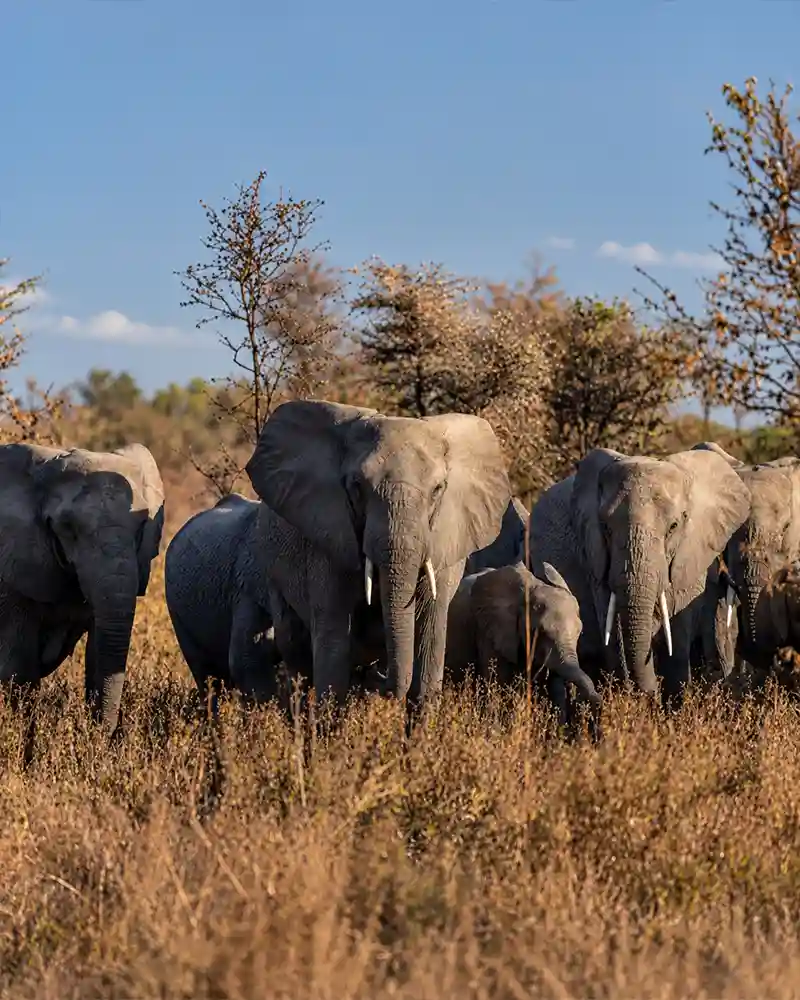
Elephant
Roan Antelope
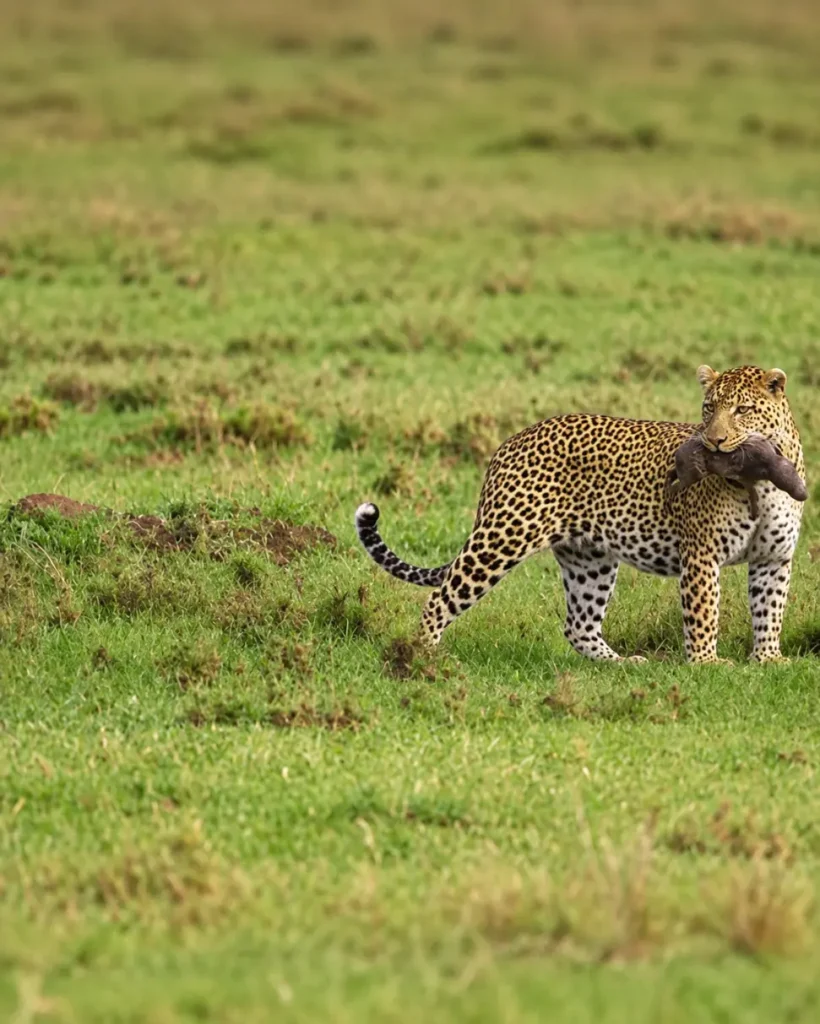
Leopard
Conservation
More Than a Safari
The Usangu Wetlands were incorporated into Ruaha National Park in 2006 after two decades of work to reclaim the area from poaching and unmanaged agriculture. Usangu Expedition Camp is the first tourism operation in this landscape – and the camp’s entire model is built around demonstrating that wild areas have measurable economic value. The Douglas Bell Eco Research Station operates alongside camp, funded in part by guest conservation fees, running the Tanzania Wildlife Research Institute’s monitoring programme for sable, roan and predators. Asilia’s conservation charge, collected nightly, supports community and conservation projects across all properties. The wetlands feed the Great Ruaha River – protecting them protects the entire downstream ecosystem.
Getting There
Location & Access
Getting There
Location & Access
Nearest airstrip
Jongomero Airstrip, southern Ruaha
From Dar es Salaam
Approx. 1.5–2 hours by light aircraft
From Arusha
Via Dar es Salaam — approx. 3 hours total
Transfer to camp
Road transfer from Jongomero Airstrip
Access
Open June – November only · Minimum 3-night stay
Best Time to Visit
Seasons at Usangu Expedition Camp
June – July
Early dry season. The wetlands begin to recede, wildlife concentrates around permanent water and sable and roan are consistently visible on the open floodplains.
August – October
Peak dry season. Vegetation at its thinnest, wildlife at its most concentrated and the research programme at its most active. Best overall game viewing of the season.
November
Late season. Rains begin approaching, the landscape greens at the edges. Last opportunity of the year before camp closes.
Our Recommendation
August to October for peak wildlife concentration and the fullest research programme. June to July for a quieter, greener start to the dry season with strong antelope sightings.
Rates
Indicative 2027 Rates
Starting From USD 700 PPPN
Inclusive of full board accommodation, house drinks, private vehicle and guide, game drives, walking safaris, research centre visit, Star Cube sleep-out and airstrip transfers.
Excludes park fees, Asilia conservation charge, fly-camping and premium drinks. Minimum 3-night stay.
The complete absence of other camps 60 miles in any direction. The research centre visit and citizen science programme make this the most intellectually engaging safari we have done. Sable and roan on the open floodplains, ostrich in unusual concentrations and the Star Cube sleep-out under a sky with no light pollution.
What To Know
Wildlife density is lower than Ruaha’s northern areas, particularly early in the season. This is an expedition camp simple in design, off grid, and deliberately so. Guests who arrive expecting the polish of a five-star lodge will need to reframe. Those who arrive expecting something genuinely new will not be disappointed.
Who We'd Send Here
Experienced safari travellers who have done the northern circuit and want somewhere that feels genuinely unexplored. Conservation minded guests, researchers and anyone for whom citizen science adds as much value as the game viewing. Not recommended for first time safari visitors or families with young children.
How Long We'd Stay
Three nights minimum it is the camp requirement, and it is right. The research programme, the sleep out and the full range of activities each need their own day to land properly.
Also Consider
Similar Camps
Roho Ya Selous
Nyerere National Park, Tanzania
The natural pairing south Tanzania’s two most distinctive off the beaten path camps in a single itinerary.
The six things travellers ask us most about Usangu Expedition Camp.
1. Is Usangu suitable for first time safari visitors?
We would not recommend it as a first safari. The camp is remote, simple and deliberately off grid. It rewards guests who already understand the rhythm of a bush safari and want something that goes further.
2. Is the minimum stay really three nights?
Yes and it is appropriate. The research programme, the sleep out, the walking safaris and the game drives each need their own day. Three nights is the minimum to do the place justice.
3. What is the Douglas Bell Research Centre?
An eco research station directly beside camp, run in partnership with the Tanzania Wildlife Research Institute. Guests visit as part of every stay covering camera trap programmes, animal collaring and the wetlands’ conservation history. Camera trap footage from your stay is compiled into a personal memento on departure.
4. Can we join the research fieldwork?
Yes depending on researchers present during your stay, guests can join active fieldwork including camera trap setting and tracking of collared sable and roan. Confirm availability at booking.
5. What makes Usangu different from the rest of Ruaha?
The southern wetlands ecosystem is entirely different from Ruaha’s northern plains flooded floodplains, miombo woodland, different species and complete absence of other camps or vehicles. It is the only tourism operation in 7,000 square kilometres
Could This Be Your Africa?
Tell us what you’re looking for, and we’ll tell you honestly whether Usangu Expedition Camp belongs in your journey.